Crying idioms are colorful expressions native speakers use to describe sadness, emotional pain, or extreme feelings—often without literal tears.
If you’ve ever felt so sad you could cry, these idioms will help you express emotions naturally in English.
This guide breaks down 20 famous crying idioms with simple meanings, examples, and common mistakes—perfect for learners, writers, and ESL students.
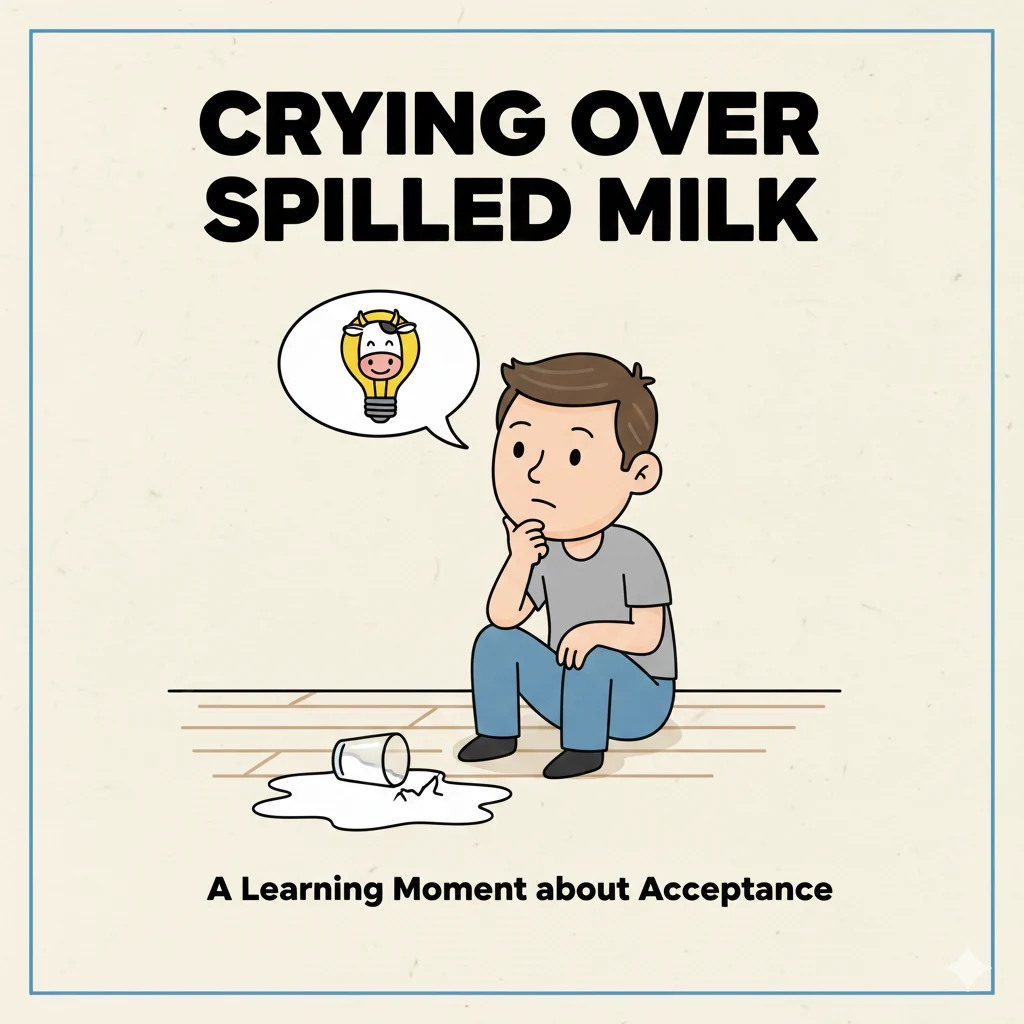
Cry over spilled milk
Word-by-word meaning:
Cry about milk that has already spilled.
Idiomatic / Figurative meaning:
To be upset about something that cannot be changed.
Example sentences:
- There’s no use crying over spilled milk; let’s fix the problem.
- He failed the test, but crying over spilled milk won’t help.
Common error:
❌ Cry for spilled milk
✅ Cry over spilled milk
Usage note:
Used to encourage moving on from past mistakes.
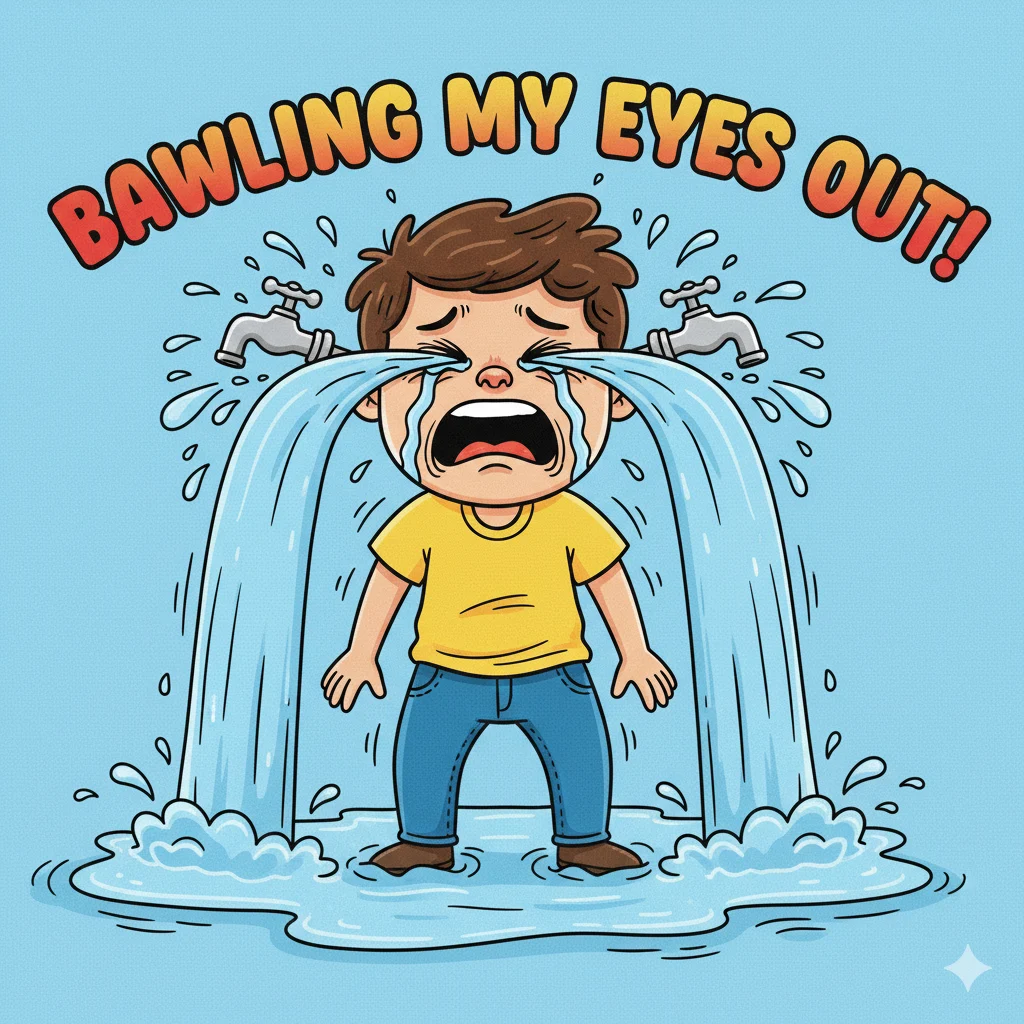
Cry one’s eyes out
Word-by-word meaning:
Cry so much that eyes hurt.
Idiomatic meaning:
To cry very hard for a long time.
Example sentences:
- She cried her eyes out after the breakup.
- The child cried his eyes out when he lost his toy.
Common error:
❌ Cry eyes out
✅ Cry one’s eyes out
Usage note:
Often used for emotional or dramatic situations.
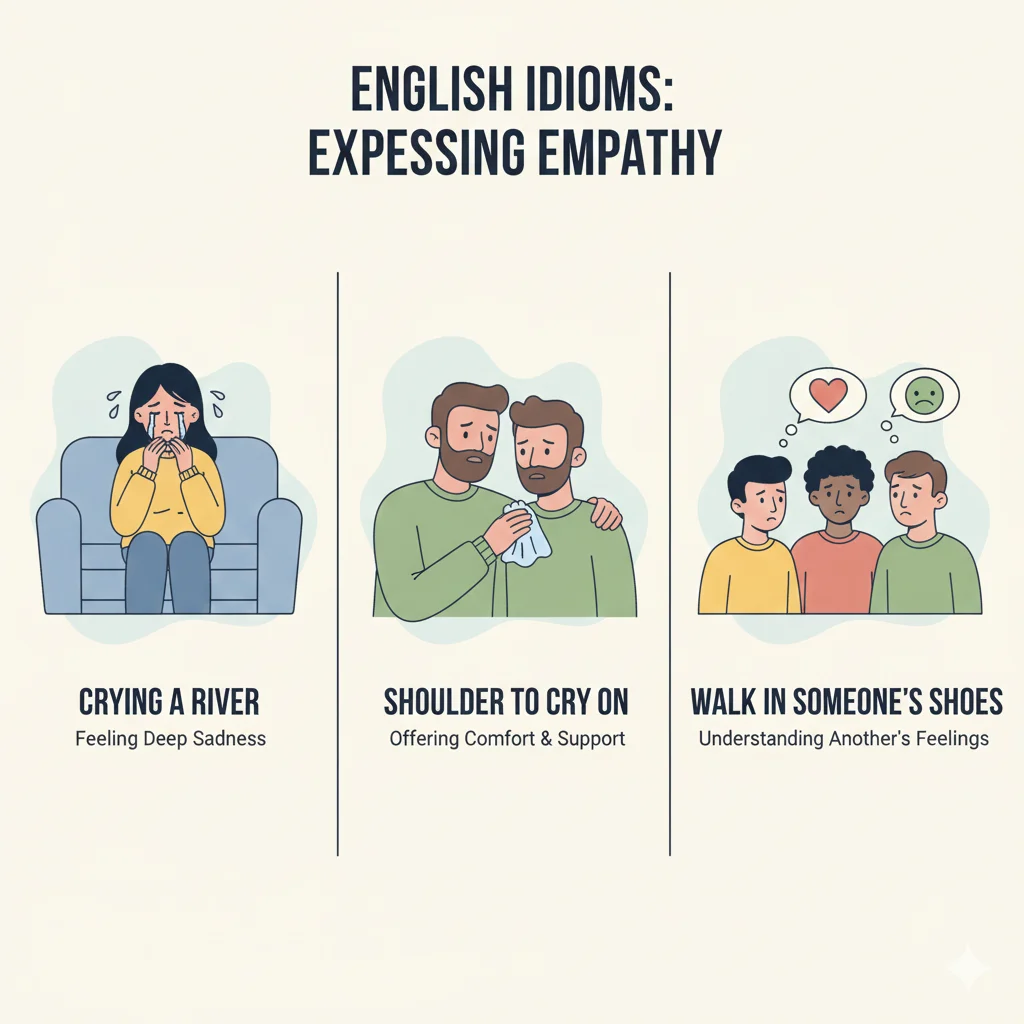
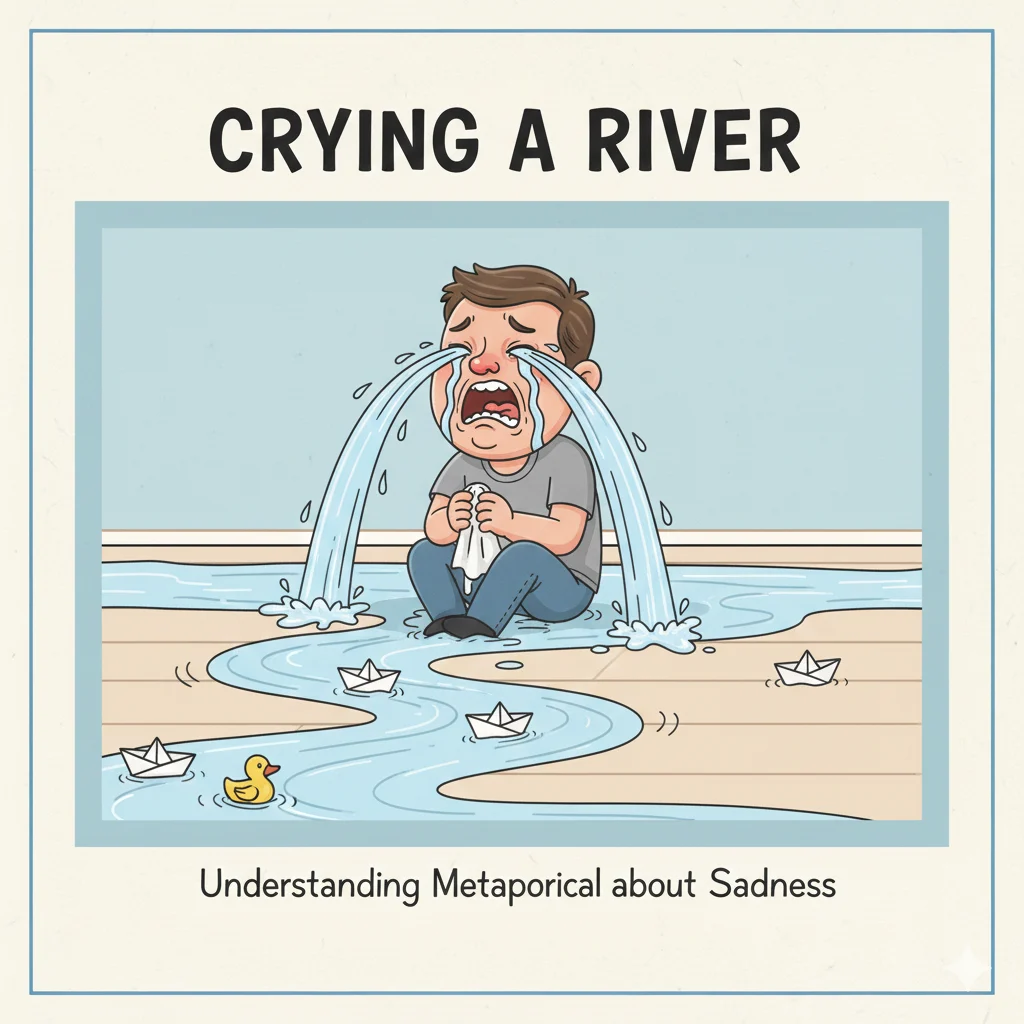
Cry a river
Word-by-word meaning:
Produce enough tears to form a river.
Idiomatic meaning:
To cry excessively, often sarcastically.
Example sentences:
- He lost the game and cried a river about it.
- Cry me a river—I’ve heard it all before.
Common error:
❌ Cry river
✅ Cry a river
Usage note:
Can sound sarcastic or teasing.
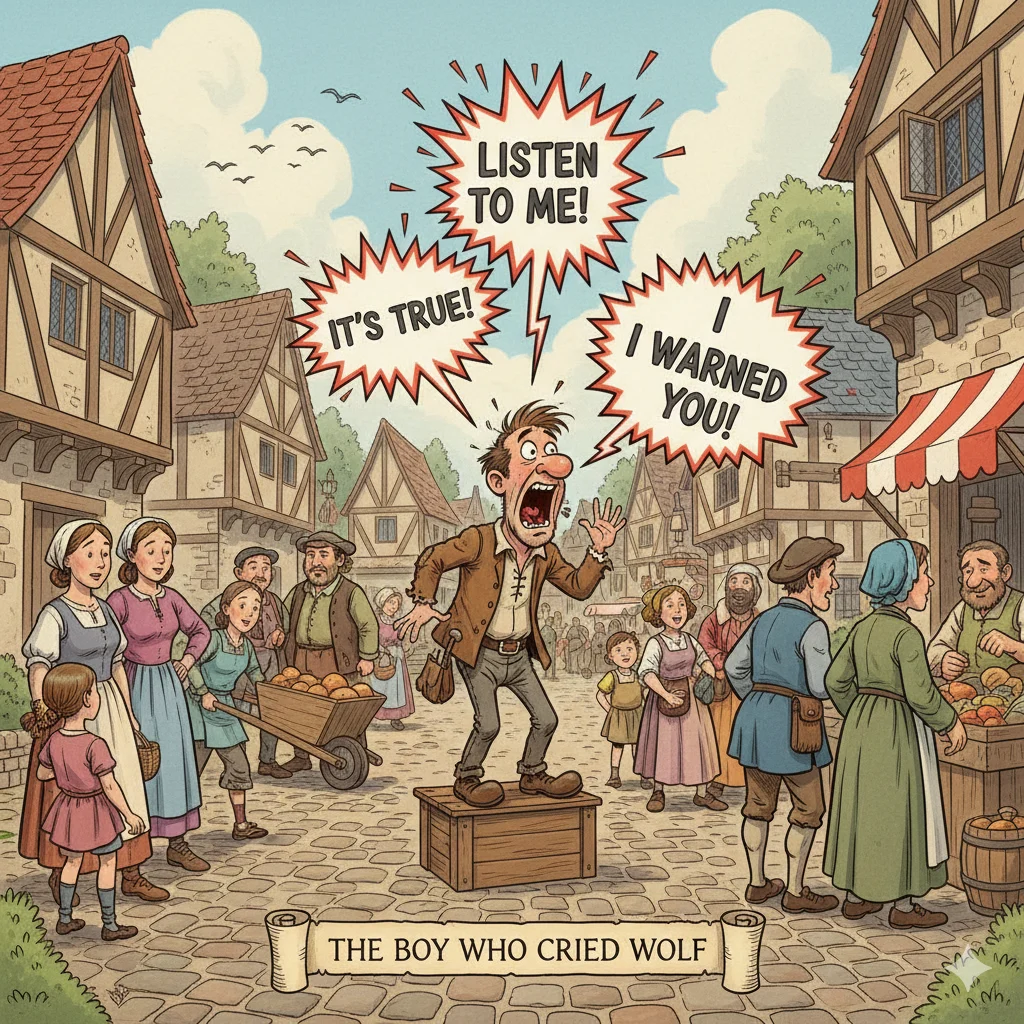
Cry wolf
Word-by-word meaning:
Cry out about a wolf.
Idiomatic meaning:
To give false alarms so often that people stop believing you.
Example sentences:
- Stop crying wolf, or no one will help you next time.
- He cried wolf too many times at work.
Common error:
❌ Crying wolves
✅ Cry wolf
Usage note:
Used in warnings or advice contexts.
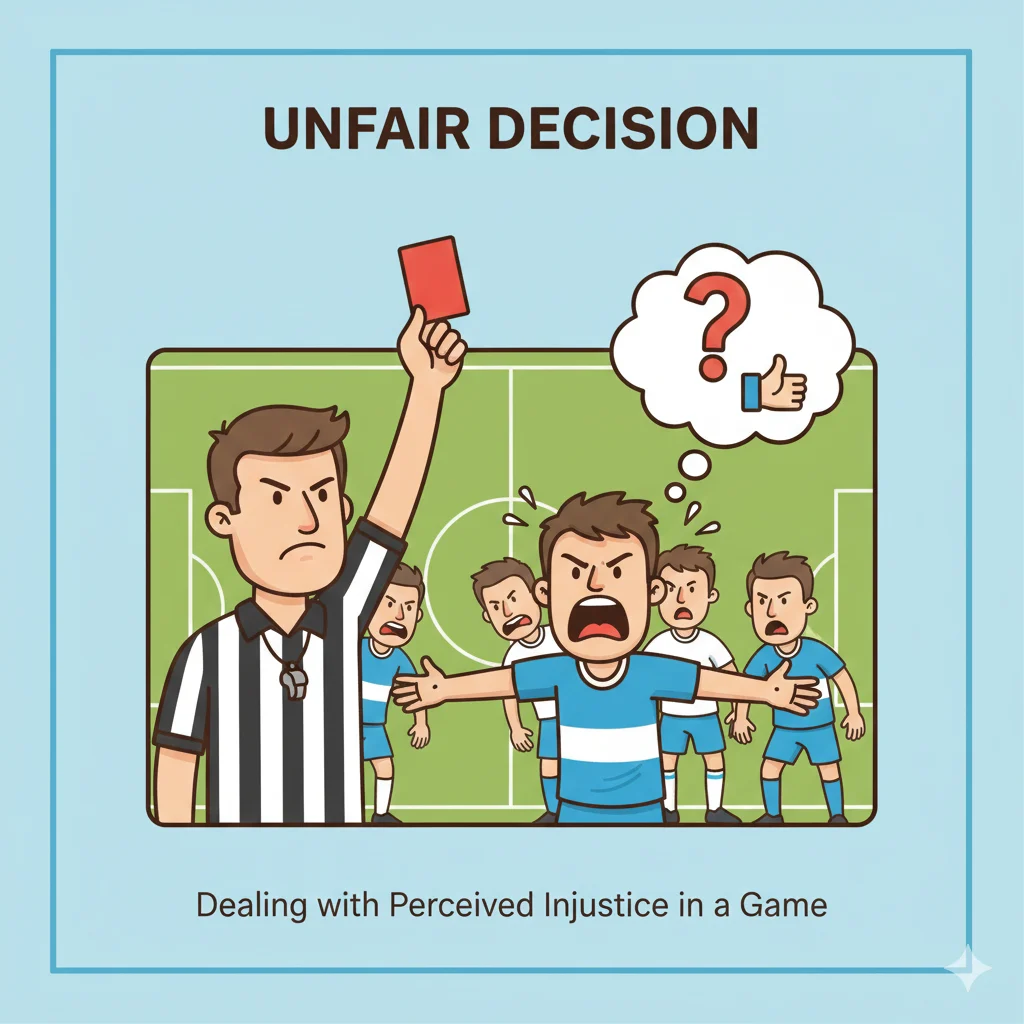
Cry foul
Word-by-word meaning:
Cry that something is unfair.
Idiomatic meaning:
To complain about unfair treatment.
Example sentences:
- The team cried foul after the referee’s decision.
- She cried foul when she didn’t get the promotion.
Common error:
❌ Cry false
✅ Cry foul
Usage note:
Common in sports and workplace situations.
Have a good cry
Word-by-word meaning:
Experience a satisfying cry.
Idiomatic meaning:
To cry to release emotions and feel better.
Example sentences:
- I had a good cry and felt lighter afterward.
- Sometimes you just need a good cry.
Common error:
❌ Make a good cry
✅ Have a good cry
Usage note:
Often used positively or therapeutically.
Cry buckets
Word-by-word meaning:
Cry large containers of tears.
Idiomatic meaning:
To cry a lot.
Example sentences:
- She cried buckets during the movie.
- He cried buckets after hearing the news.
Common error:
❌ Cry bucket
✅ Cry buckets
Usage note:
Informal and expressive.
Cry like a baby
Word-by-word meaning:
Cry as a baby cries.
Idiomatic meaning:
To cry uncontrollably.
Example sentences:
- He cried like a baby at the farewell party.
- I cried like a baby during that sad scene.
Common error:
❌ Cry as baby
✅ Cry like a baby
Usage note:
Can be humorous or self-deprecating.
Cry for help
Word-by-word meaning:
Cry asking for help.
Idiomatic meaning:
A sign that someone needs support or attention.
Example sentences:
- His behavior was a cry for help.
- The message sounded like a cry for help.
Common error:
❌ Cry of help
✅ Cry for help
Usage note:
Often used in emotional or psychological contexts.
Cry in one’s beer
Word-by-word meaning:
Cry while drinking beer.
Idiomatic meaning:
To feel sorry for yourself.
Example sentences:
- He’s crying in his beer after losing his job.
- Don’t cry in your beer—things will improve.
Common error:
❌ Cry on beer
✅ Cry in one’s beer
Usage note:
Informal and slightly humorous.
Cry tears of joy
Word-by-word meaning:
Cry happy tears.
Idiomatic meaning:
To cry because of happiness.
Example sentences:
- She cried tears of joy at the wedding.
- They cried tears of joy when the baby arrived.
Common error:
❌ Cry joyful tears
✅ Cry tears of joy
Usage note:
Positive emotional situations.
Cry oneself to sleep
Word-by-word meaning:
Cry until falling asleep.
Idiomatic meaning:
To cry due to sadness before sleeping.
Example sentences:
- She cried herself to sleep after the argument.
- He cried himself to sleep for weeks.
Common error:
❌ Cry to sleep
✅ Cry oneself to sleep
Usage note:
Used for deep emotional pain.
Cry bitter tears
Word-by-word meaning:
Cry painful tears.
Idiomatic meaning:
To cry because of deep regret or sorrow.
Example sentences:
- He cried bitter tears after his mistake.
- She cried bitter tears of regret.
Common error:
❌ Cry bitterly tears
✅ Cry bitter tears
Usage note:
Formal or literary tone.
Cry at the drop of a hat
Word-by-word meaning:
Cry instantly.
Idiomatic meaning:
To cry very easily.
Example sentences:
- She cries at the drop of a hat.
- I used to cry at the drop of a hat.
Common error:
❌ Cry on drop of hat
✅ Cry at the drop of a hat
Usage note:
Often describes sensitive people.
Cry crocodile tears
Word-by-word meaning:
Fake tears like a crocodile.
Idiomatic meaning:
To show fake sadness.
Example sentences:
- He cried crocodile tears after being caught.
- Don’t believe her crocodile tears.
Common error:
❌ Cry crocodile tear
✅ Cry crocodile tears
Usage note:
Negative or suspicious tone.
Cry one’s heart out
Word-by-word meaning:
Cry deeply from the heart.
Idiomatic meaning:
To cry intensely due to emotional pain.
Example sentences:
- She cried her heart out after the loss.
- He cried his heart out all night.
Common error:
❌ Cry heart out
✅ Cry one’s heart out
Usage note:
Very emotional situations.
Cry into one’s pillow
Word-by-word meaning:
Cry silently into a pillow.
Idiomatic meaning:
To cry privately, usually alone.
Example sentences:
- She cried into her pillow that night.
- He cried into his pillow quietly.
Common error:
❌ Cry on pillow
✅ Cry into one’s pillow
Usage note:
Private sadness or heartbreak.
Cry shame
Word-by-word meaning:
Cry that something is shameful.
Idiomatic meaning:
To criticize something as wrong or unfair.
Example sentences:
- People cried shame over the decision.
- The crowd cried shame loudly.
Common error:
❌ Crying shame
✅ Cry shame
Usage note:
Public criticism or protest.
Cry blue murder
Word-by-word meaning:
Cry loudly as if murder occurred.
Idiomatic meaning:
To complain very loudly or angrily.
Example sentences:
- He cried blue murder over small changes.
- She cried blue murder about the noise.
Common error:
❌ Cry murder
✅ Cry blue murder
Usage note:
British English, informal.
Cry oneself hoarse
Word-by-word meaning:
Cry until voice is gone.
Idiomatic meaning:
To cry so much that your throat hurts.
Example sentences:
- She cried herself hoarse after the argument.
- He cried himself hoarse in grief.
Common error:
❌ Cry hoarse
✅ Cry oneself hoarse
Usage note:
Strong emotional expression.
FAQs About Crying Idioms
Q1: What are crying idioms used for?
They express sadness, emotion, regret, or emotional intensity naturally.
Q2: Are crying idioms formal or informal?
Most are informal, but some (like cry bitter tears) are literary.
Q3: Can crying idioms be positive?
Yes! Idioms like cry tears of joy are positive.
Q4: Are these idioms common in spoken English?
Yes, especially in stories, conversations, and emotional contexts.
Conclusion:
Crying idioms help you express emotions the way native speakers do—naturally, vividly, and memorably.
Start by using one or two idioms in daily conversation or writing, and soon they’ll feel effortless.
💡 Tip: Keep a notebook of idioms and practice them in sentences from your own life.

Ruskin Bond, author at SeekIdiom, explains English idioms through simple meanings and examples, helping learners improve vocabulary and everyday usage.