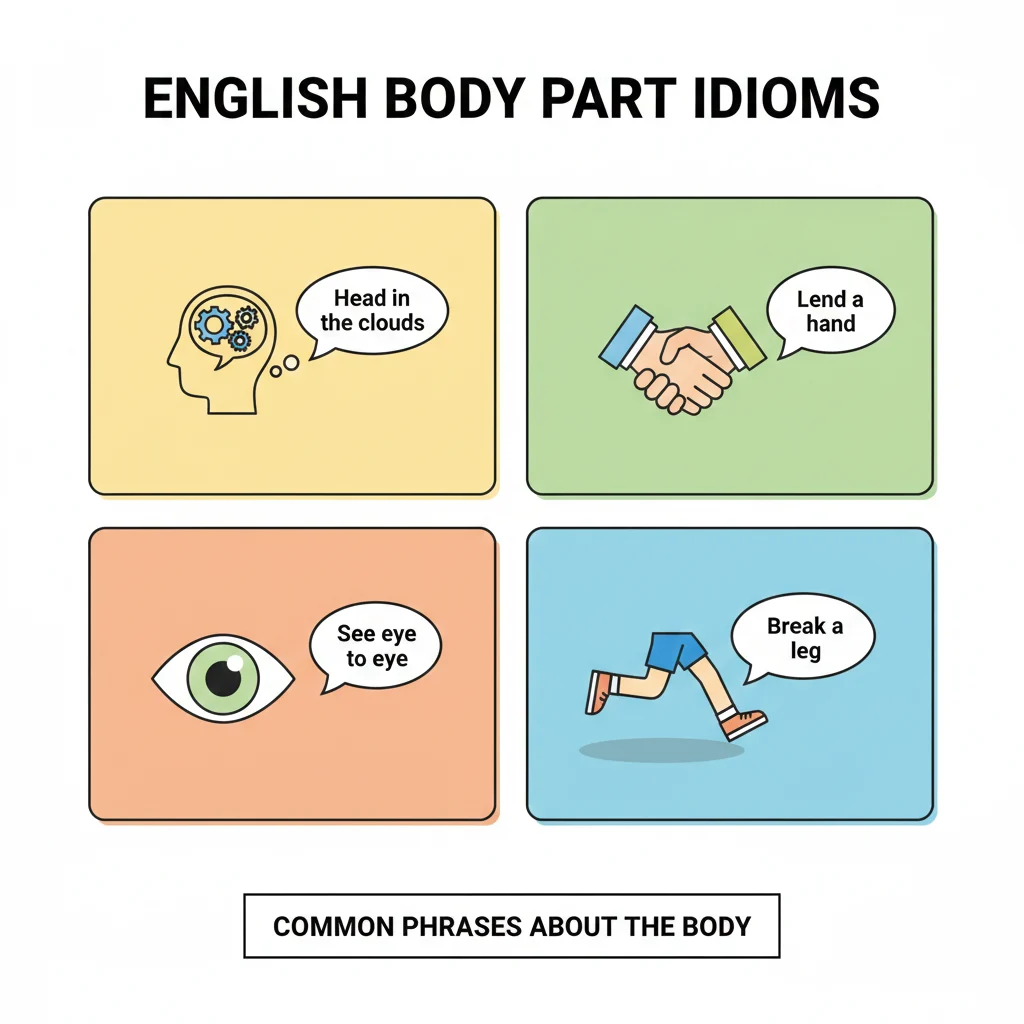
Human idioms are expressions that use parts of the human body to describe feelings, behavior, and real-life situations.
You hear them daily in movies, conversations, and social media—but their meanings aren’t always literal.
Let’s break down the most famous human idioms in a simple, learner-friendly way with examples you’ll actually remember.
Cost an Arm and a Leg
Word-by-Word Meaning
- Arm: a body limb
- Leg: a body limb
Idiomatic / Figurative Meaning
Something extremely expensive.
Example Sentences
- This phone costs an arm and a leg.
- Medical treatment can cost an arm and a leg.

Common Error
❌ Saying it for emotional cost instead of money.
Usage Note
Mostly used in informal spoken English.
Break a Leg
Word-by-Word Meaning
- Break: to damage
- Leg: body part
Idiomatic / Figurative Meaning
A way to wish someone good luck.
Example Sentences
- You have an exam today—break a leg!
- Break a leg on your stage performance.

Common Error
❌ Taking it literally as something bad.
Usage Note
Common in performances, exams, and events.
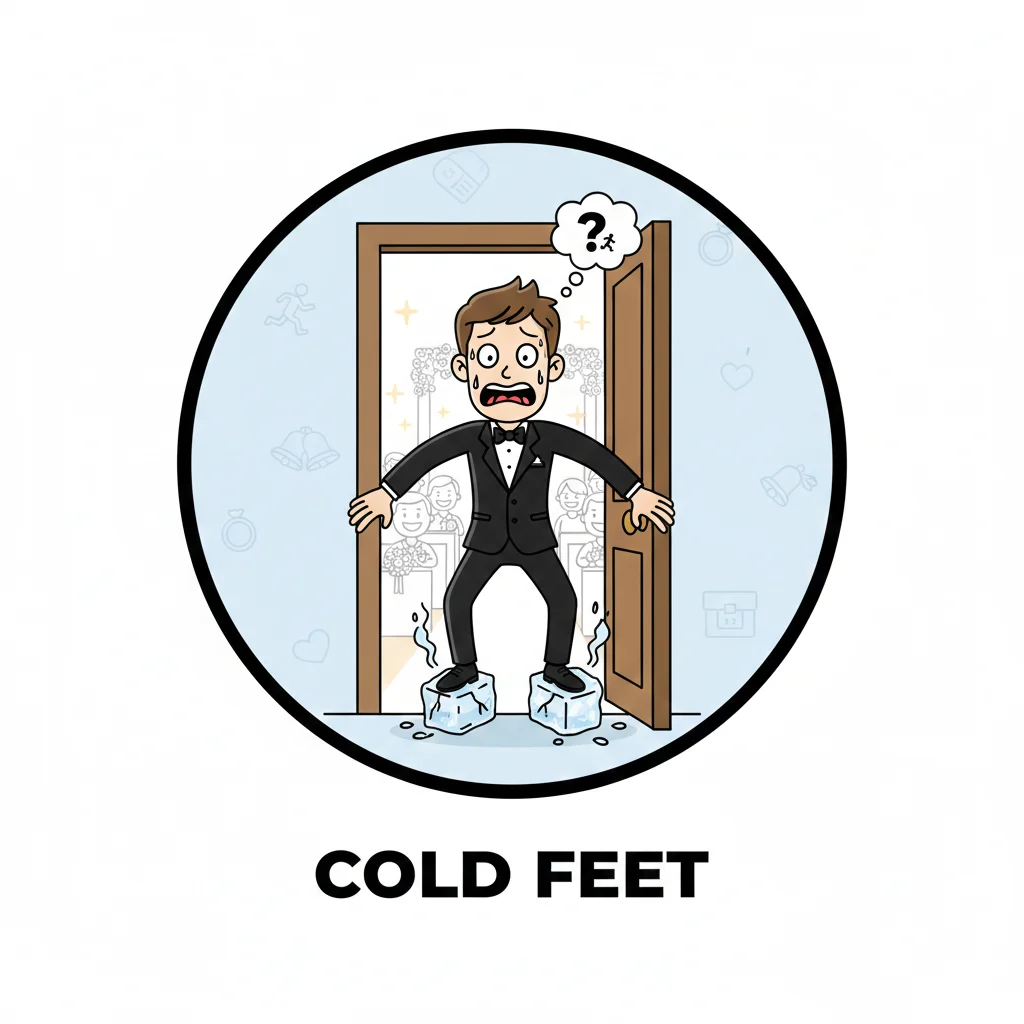
Cold Feet
Word-by-Word Meaning
- Cold: lacking warmth
- Feet: body part
Idiomatic / Figurative Meaning
To feel nervous or lose confidence before doing something.
Example Sentences
- He got cold feet before the wedding.
- Don’t get cold feet at the last moment.
Common Error
❌ Using it after the event instead of before.
Usage Note
Used when hesitation happens suddenly.
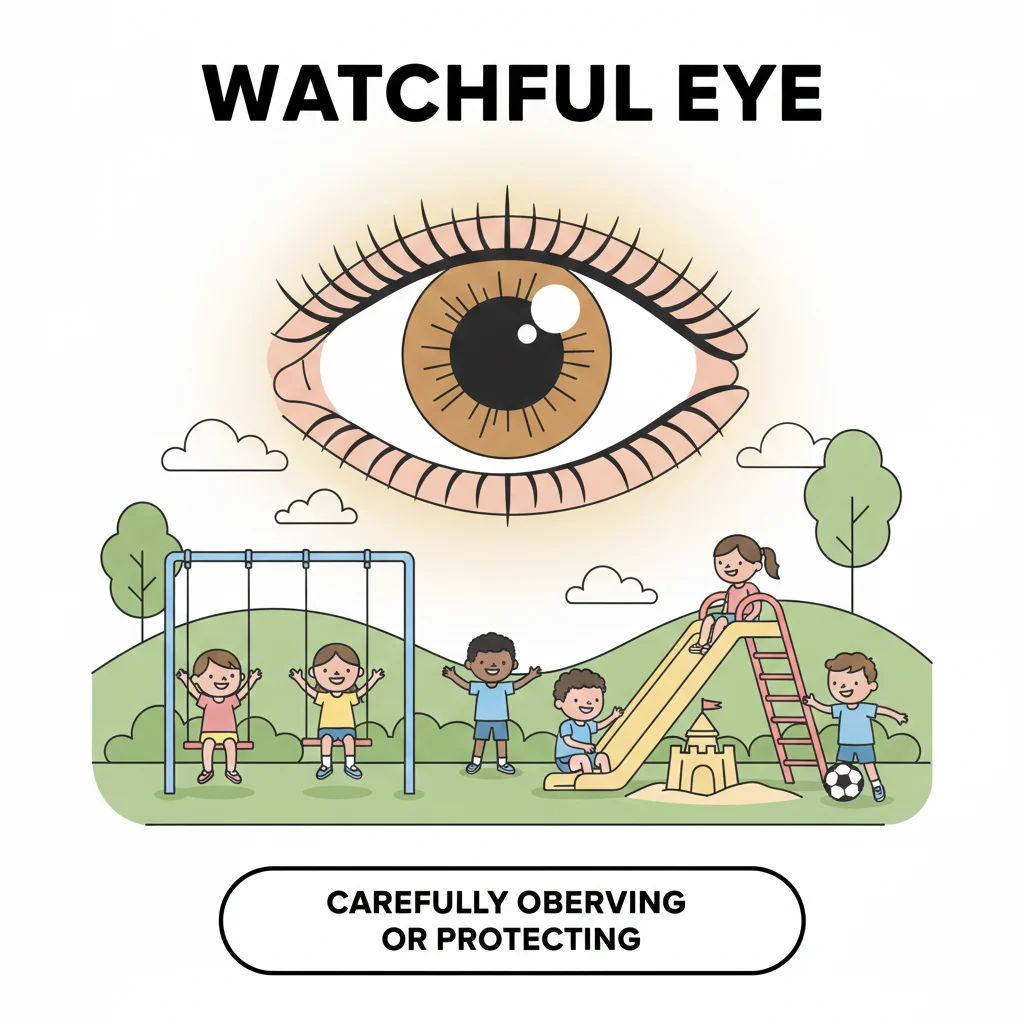
Keep an Eye On
Word-by-Word Meaning
- Eye: body organ for seeing
Idiomatic / Figurative Meaning
To watch or monitor someone or something.
Example Sentences
- Please keep an eye on my bag.
- Keep an eye on the kids.
Common Error
❌ Using it for long-term supervision only.
Usage Note
Works for short or casual monitoring.
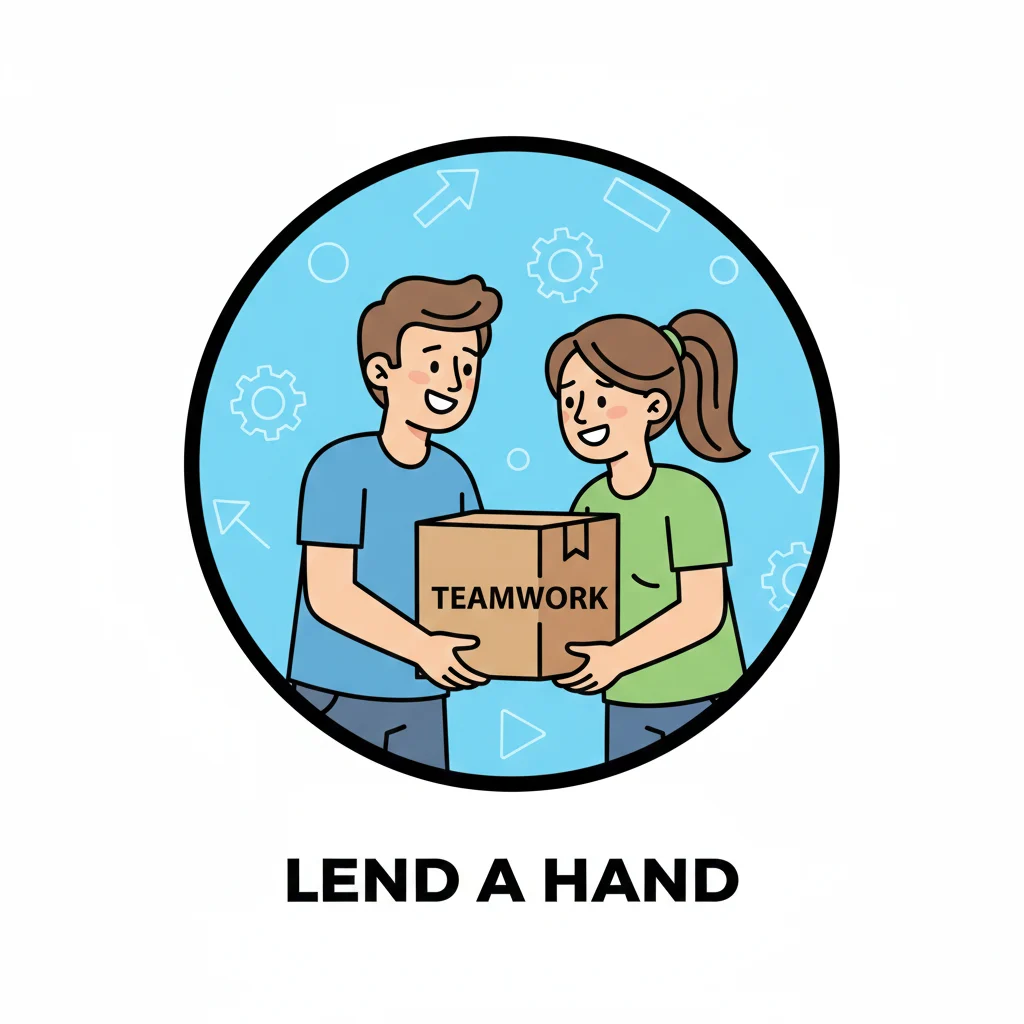
Lend a Hand
Word-by-Word Meaning
- Hand: body part
Idiomatic / Figurative Meaning
To help someone.
Example Sentences
- Can you lend me a hand?
- Neighbors lent a hand during the move.
Common Error
❌ Confusing it with giving money.
Usage Note
Friendly and informal phrase.
All Ears
Word-by-Word Meaning
- Ears: body parts for hearing
Idiomatic / Figurative Meaning
Ready to listen carefully.
Example Sentences
- Tell me everything—I’m all ears.
Common Error
❌ Using it when not actively listening.
Usage Note
Great for conversations and storytelling.
Turn a Blind Eye
Word-by-Word Meaning
- Blind: unable to see
- Eye: vision organ
Idiomatic / Figurative Meaning
To ignore something on purpose.
Example Sentences
- The teacher turned a blind eye to the mistake.
Common Error
❌ Using it for accidental ignorance.
Usage Note
Implies intentional ignoring.
Get Something Off Your Chest
Word-by-Word Meaning
- Chest: upper body part
Idiomatic / Figurative Meaning
To share a secret or feeling to feel relieved.
Example Sentences
- I need to get this off my chest.
Common Error
❌ Using it for physical problems.
Usage Note
Used for emotional release.
Pull Someone’s Leg
Word-by-Word Meaning
- Pull: drag
- Leg: body part
Idiomatic / Figurative Meaning
To joke or tease someone.
Example Sentences
- Relax, I’m just pulling your leg.
Common Error
❌ Using it in serious situations.
Usage Note
Very informal and playful.
Face the Music
Word-by-Word Meaning
- Face: front of the head
Idiomatic / Figurative Meaning
Accept consequences bravely.
Example Sentences
- He must face the music after lying.
Common Error
❌ Using it for music-related topics.
Usage Note
Often used for responsibility.
By the Skin of Your Teeth
Word-by-Word Meaning
- Skin: outer layer
- Teeth: mouth part
Idiomatic / Figurative Meaning
Just barely succeeding.
Example Sentences
- I passed the exam by the skin of my teeth.
Common Error
❌ Using it for big success.
Usage Note
Emphasizes narrow escape.
Have a Thick Skin
Word-by-Word Meaning
- Thick: not thin
- Skin: body covering
Idiomatic / Figurative Meaning
Not easily hurt by criticism.
Example Sentences
- You need thick skin in this job.
Common Error
❌ Confusing with physical toughness.
Usage Note
Common in professional contexts.
Stick Your Neck Out
Word-by-Word Meaning
- Neck: body part
Idiomatic / Figurative Meaning
Take a risk.
Example Sentences
- She stuck her neck out for her team.
Common Error
❌ Using it for safety-related acts.
Usage Note
Implies personal risk.
Have Butterflies in Your Stomach
Word-by-Word Meaning
- Stomach: digestive organ
Idiomatic / Figurative Meaning
Feeling nervous or excited.
Example Sentences
- I had butterflies before my interview.
Common Error
❌ Using it for hunger.
Usage Note
Often linked with positive nervousness.
Use Your Head
Word-by-Word Meaning
- Head: part of the body
Idiomatic / Figurative Meaning
Think carefully.
Example Sentences
- Use your head before deciding.
Common Error
❌ Using it sarcastically too harshly.
Usage Note
Can be advice or mild warning.
Hand in Hand
Word-by-Word Meaning
- Hand: body part
Idiomatic / Figurative Meaning
Closely connected.
Example Sentences
- Success and hard work go hand in hand.
Common Error
❌ Taking it literally every time.
Usage Note
Used for ideas and concepts.
Keep Your Chin Up
Word-by-Word Meaning
- Chin: part of face
Idiomatic / Figurative Meaning
Stay positive in hard times.
Example Sentences
- Keep your chin up—you’ll succeed.
Common Error
❌ Using it during celebrations.
Usage Note
Motivational phrase.
Give Someone the Cold Shoulder
Word-by-Word Meaning
- Shoulder: body part
Idiomatic / Figurative Meaning
Ignore someone deliberately.
Example Sentences
- He gave me the cold shoulder.
Common Error
❌ Confusing with being shy.
Usage Note
Implies emotional distance.
Nose Around
Word-by-Word Meaning
- Nose: facial organ
Idiomatic / Figurative Meaning
Investigate or pry.
Example Sentences
- Stop nosing around my business.
Common Error
❌ Using it for casual curiosity.
Usage Note
Often negative tone.
Lose Your Head
Word-by-Word Meaning
- Head: body part
Idiomatic / Figurative Meaning
Panic or lose control.
Example Sentences
- Don’t lose your head under pressure.
Common Error
❌ Using it for excitement only.
Usage Note
Common in stressful situations.
FAQs About Human Idioms
Q1: What are human idioms?
Human idioms are expressions that use body parts to explain emotions, actions, or situations.
Q2: Why are body idioms so common in English?
Because body experiences are universal and easy to relate to.
Q3: Are human idioms formal or informal?
Most are informal, but many are acceptable in semi-formal English.
Q4: Can idioms be translated word-for-word?
No. Idioms should be understood by meaning, not literal words.
Conclusion:
Human idioms bring English to life.
The more you hear, read, and use them in daily conversation, the more natural your English becomes.
Pick 3 idioms today, use them in sentences, and watch your confidence grow—one body part at a time 💪

Ruskin Bond, author at SeekIdiom, explains English idioms through simple meanings and examples, helping learners improve vocabulary and everyday usage.