Ever walked into a celebration and heard someone say, “The party is in full swing!”? 🎉 If you’re learning English, idioms about parties can sound confusing at first—but they’re actually fun and easy once you understand them.
Whether you’re talking about birthdays, weddings, New Year’s Eve, or weekend hangouts, these party idioms will help you sound more natural and confident in conversation.
Let’s dive into 20 of the most famous idioms about parties, explained clearly with examples and common mistakes to avoid.
🎉 Party Animal
Word-by-word meaning
- Party = celebration
- Animal = a living creature
Idiomatic Meaning
A person who loves going to parties and enjoys social events frequently.
Example Sentences
- Ali is a real party animal—he never misses a celebration.
- She became a party animal during university.
Common Error
❌ Don’t say “party person” in this context.
Usage Note
Informal phrase. Can sometimes imply someone parties too much.
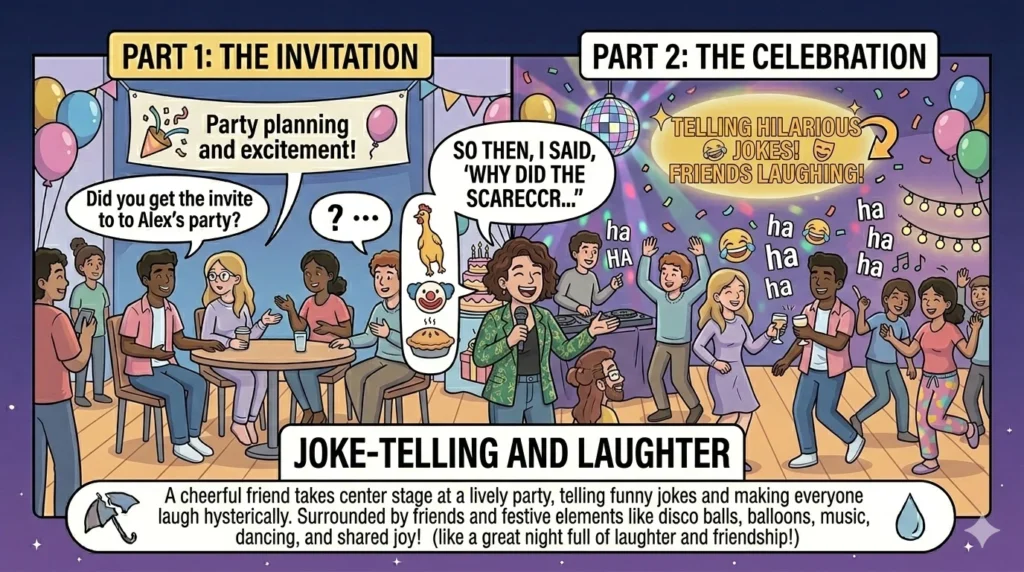
🕺 Life of the Party
Word-by-word meaning
- Life = energy or spirit
- Party = celebration
Idiomatic Meaning
The most entertaining or energetic person at a party.
Example Sentences
- Sana was the life of the party with her funny stories.
- He quickly became the life of the party.
Common Error
❌ Avoid saying “heart of the party.”
Usage Note
Very positive expression.
🎨 Paint the Town Red
Word-by-word meaning
- Paint = color
- Town = city
- Red = bright color
Idiomatic Meaning
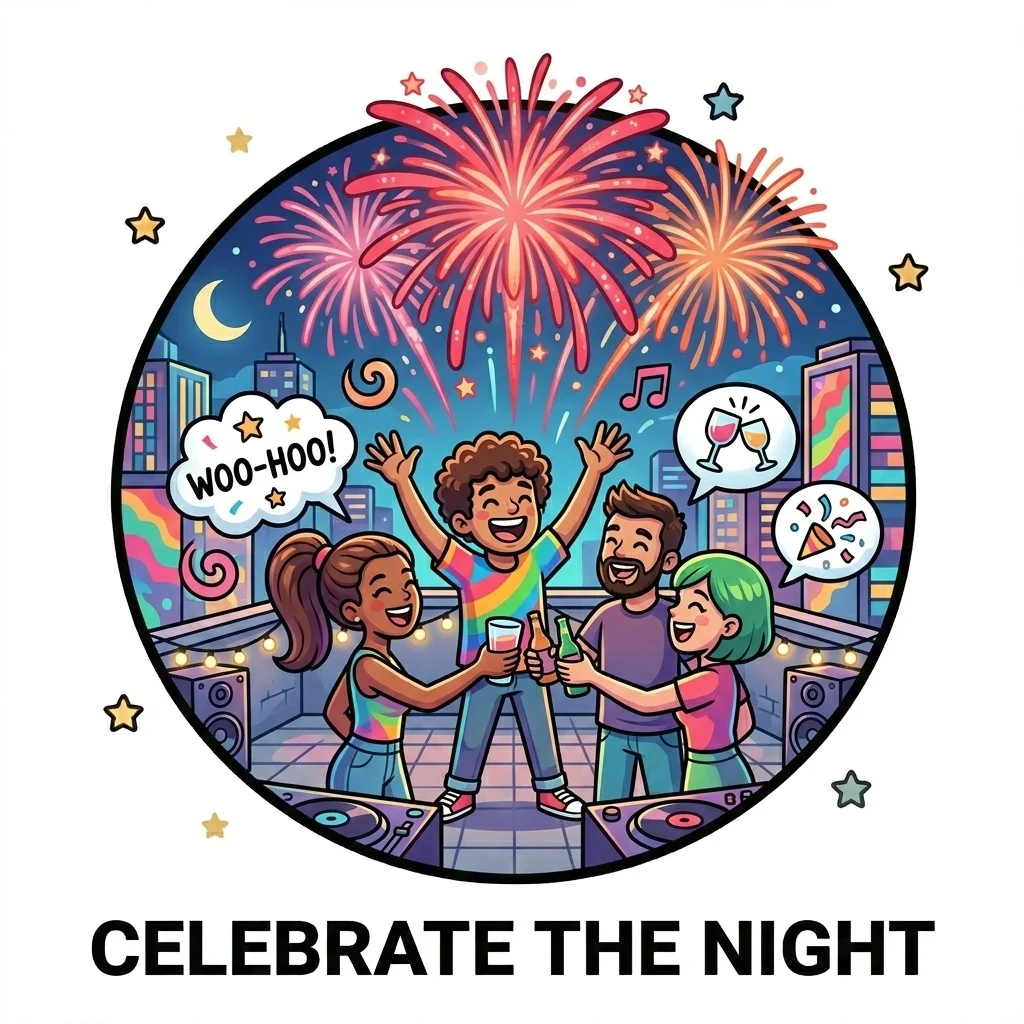
To go out and celebrate in an exciting or wild way.
Example Sentences
- Let’s paint the town red this weekend!
- They painted the town red after winning the match.
Common Error
❌ Don’t change the color (not “paint the town blue”).
Usage Note
Used for exciting night celebrations.
🥂 Have a Ball
Word-by-word meaning
- Have = experience
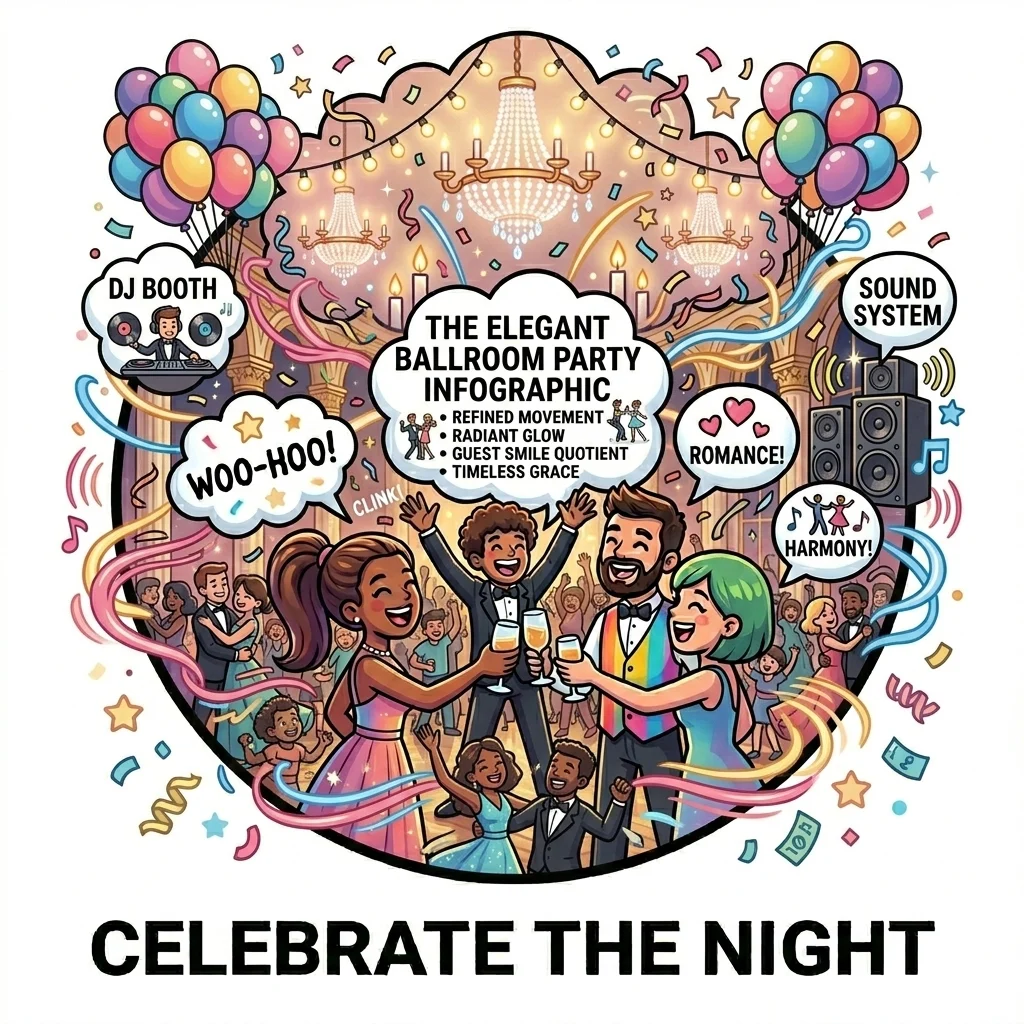
- Ball = formal dance event
Idiomatic Meaning
To enjoy yourself very much.
Example Sentences
- We had a ball at the wedding reception.
- The kids had a ball at the birthday party.
Common Error
❌ Not related to playing with a sports ball.
Usage Note
Friendly and informal.
🥳 In Full Swing
Word-by-word meaning
- Full = complete
- Swing = movement
Idiomatic Meaning
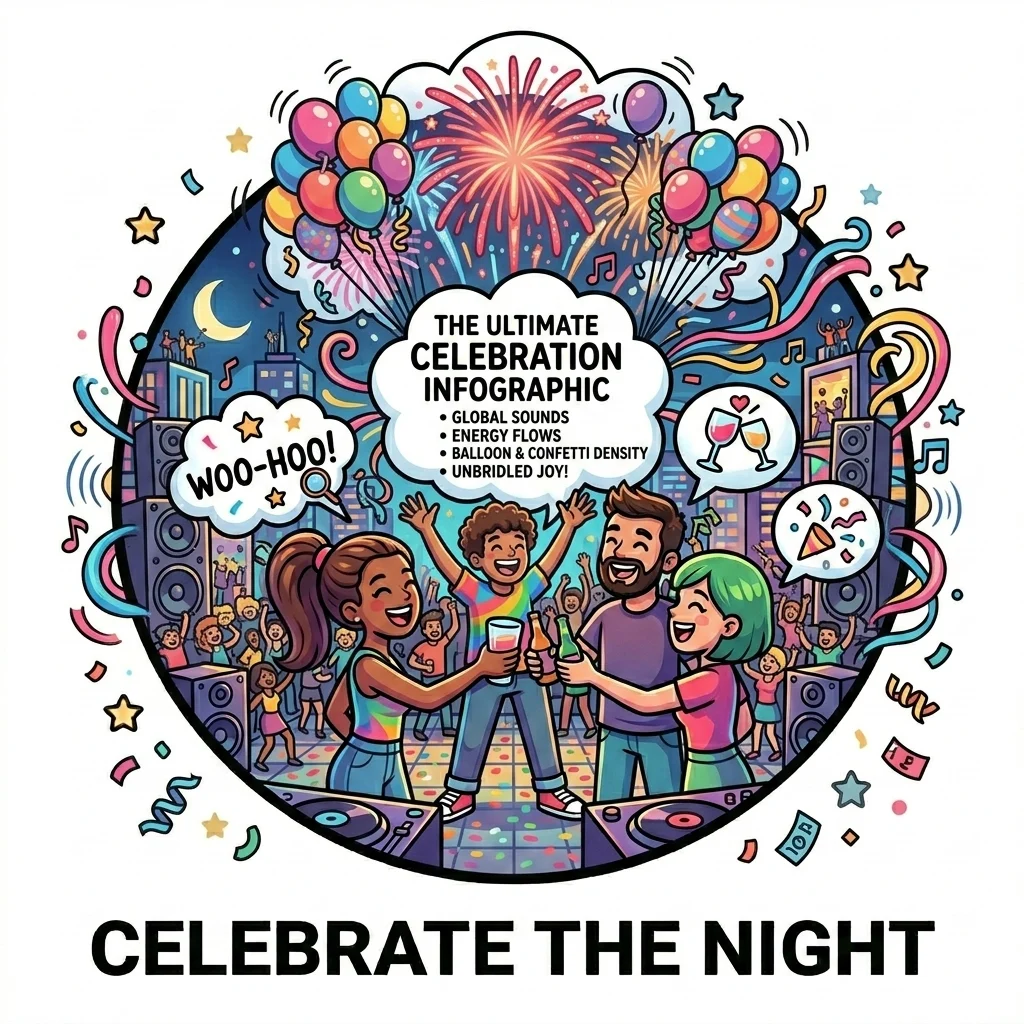
An event happening actively and energetically.
Example Sentences
- The party was in full swing when we arrived.
- By 9 PM, the celebration was in full swing.
Common Error
❌ Not about playground swings.
Usage Note
Common for events, festivals, and gatherings.
🎈 Break the Ice
Word-by-word meaning
- Break = separate
- Ice = frozen water
Idiomatic Meaning
To start a conversation and reduce awkwardness.
Example Sentences
- He told a joke to break the ice.
- Icebreaker games help break the ice at parties.
Common Error
❌ Don’t use literally unless talking about real ice.
Usage Note
Useful at both parties and business meetings.
🎊 Hit the Dance Floor
Word-by-word meaning
- Hit = strike
- Dance floor = place where people dance
Idiomatic Meaning
To begin dancing enthusiastically.
Example Sentences
- Everyone hit the dance floor after dinner.
- She couldn’t wait to hit the dance floor.
Common Error
❌ Not about physically hitting the floor.
Usage Note
Casual and energetic expression.
🎶 Rock the Party
Word-by-word meaning
- Rock = shake
- Party = celebration
Idiomatic Meaning
To make a party exciting and lively.
Example Sentences
- The DJ rocked the party last night.
- That band really knows how to rock the party.
Common Error
❌ Not about literal rocks.
Usage Note
Common in music and youth culture.
🥂 Raise a Toast
Word-by-word meaning
- Raise = lift
- Toast = celebratory drink/speech
Idiomatic Meaning
To honor someone with a drink and short speech.
Example Sentences
- Let’s raise a toast to the happy couple.
- He raised a toast at his father’s retirement party.
Common Error
❌ Not about toasted bread.
Usage Note
Used at weddings, birthdays, and formal events.
🎉 Big Bash
Word-by-word meaning
- Big = large
- Bash = party
Idiomatic Meaning
A large and lively celebration.
Example Sentences
- They threw a big bash for her 18th birthday.
- The company organized a big bash for employees.
Common Error
❌ Too informal for serious writing.
Usage Note
Casual and fun expression.
🎊 Let Your Hair Down
Word-by-word meaning
- Let = allow
- Hair = hair
- Down = lower
Idiomatic Meaning
To relax and enjoy yourself freely.
Example Sentences
- After exams, we let our hair down at a party.
- It’s time to let your hair down and have fun.
Common Error
❌ Not only for people with long hair.
Usage Note
Often used after stress or hard work.
🎈 Blowout Party
Word-by-word meaning
- Blowout = something extravagant
- Party = celebration
Idiomatic Meaning
A very large and extravagant party.
Example Sentences
- They hosted a blowout party for New Year’s Eve.
- Her parents threw her a blowout party.
Common Error
❌ Don’t confuse with a tire blowout.
Usage Note
Suggests something expensive and grand.
🥳 Make Merry
Word-by-word meaning
- Make = create
- Merry = joyful
Idiomatic Meaning
To celebrate happily.
Example Sentences
- Friends gathered to make merry.
- They made merry during the festival.
Common Error
❌ Sounds old-fashioned in daily speech.
Usage Note
More common in literary or festive contexts.
🎵 Turn Up
Word-by-word meaning
- Turn = rotate
- Up = increase
Idiomatic Meaning
To increase the volume or energy at a party.
Example Sentences
- Turn up the music!
- Let’s turn up and enjoy tonight.
Common Error
❌ “Turn up” can also mean “arrive.”
Usage Note
Very informal, common among young people.
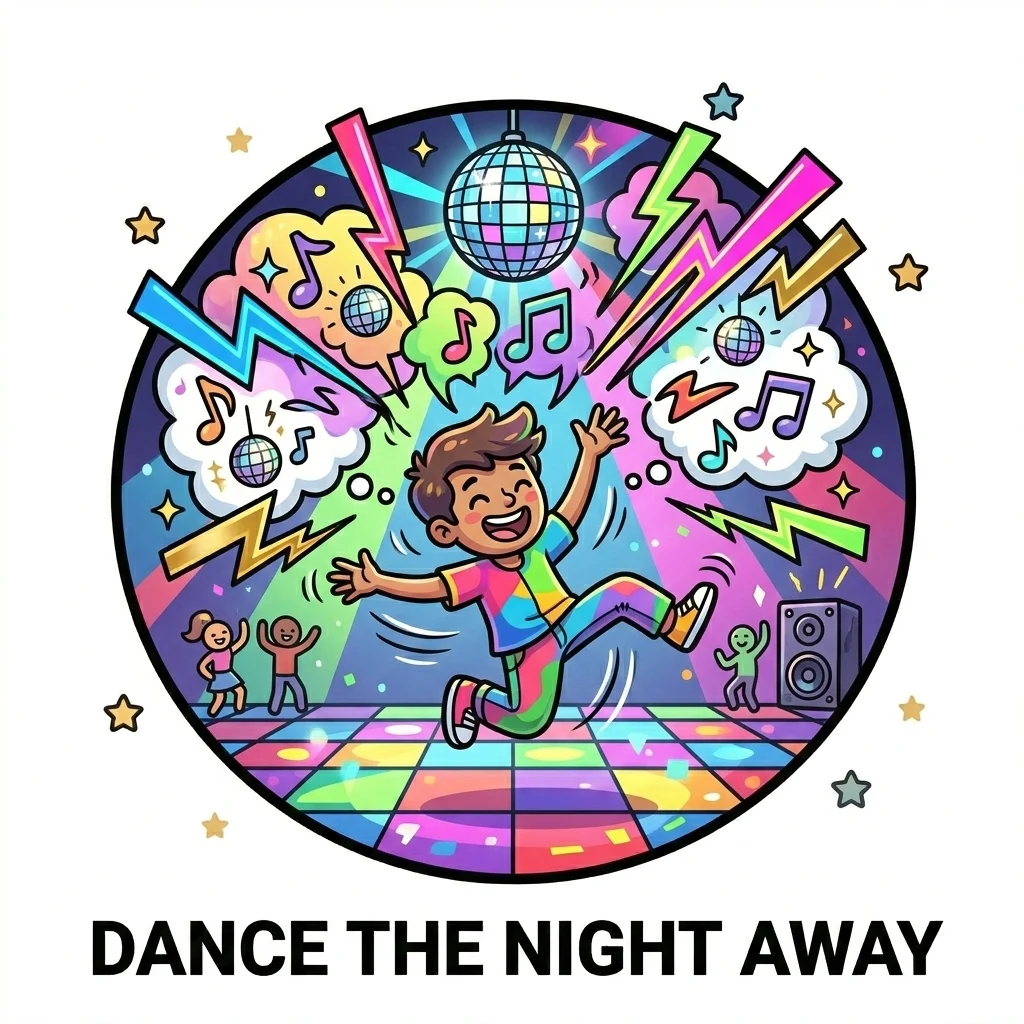
🕺 Dance the Night Away
Word-by-word meaning
- Dance = move to music
- Night = evening
- Away = until finished
Idiomatic Meaning
To dance all night long.
Example Sentences
- They danced the night away at the wedding.
- We plan to dance the night away.
Common Error
❌ Not about making the night disappear.
Usage Note
Romantic and joyful tone.
🎉 Bring the House Down
Word-by-word meaning
- Bring = cause
- House = building
- Down = fall
Idiomatic Meaning
To receive loud applause and excitement.
Example Sentences
- Her performance brought the house down.
- The comedian brought the house down.
Common Error
❌ Not literal destruction.
Usage Note
Common in performances and parties.
🥂 Celebrate in Style
Word-by-word meaning
- Celebrate = honor
- Style = fashionable way
Idiomatic Meaning
To celebrate in an impressive or luxurious way.
Example Sentences
- They celebrated in style at a five-star hotel.
- Let’s celebrate in style this year.
Common Error
❌ Not about fashion only.
Usage Note
Suggests elegance or luxury.
🎊 Have a Good Time
Word-by-word meaning
- Have = experience
- Good time = enjoyable experience
Idiomatic Meaning
To enjoy yourself.
Example Sentences
- We had a good time at the party.
- Hope you have a good time tonight!
Common Error
❌ Don’t overuse in formal essays.
Usage Note
Very common and friendly phrase.
🎈 Throw a Party
Word-by-word meaning
- Throw = organize
- Party = celebration
Idiomatic Meaning
To host or organize a party.
Example Sentences
- She threw a surprise party for her friend.
- We’re throwing a party this weekend.
Common Error
❌ Not about physically throwing something.
Usage Note
Very common everyday expression.
🎉 Shindig
Word-by-word meaning
- Shindig = lively gathering
Idiomatic Meaning
An informal and lively party.
Example Sentences
- We’re hosting a little shindig tonight.
- It was a fun shindig with close friends.
Common Error
❌ Too casual for formal invitations.
Usage Note
Friendly and slightly old-fashioned tone.
Frequently Asked Questions (FAQs)
1. What are idioms about parties?
They are figurative expressions related to celebrations and social gatherings.
2. Are party idioms formal or informal?
Most idioms about parties are informal and used in casual conversation.
3. Can I use these idioms in writing?
Yes! They are great for blogs, stories, and informal emails.
4. How can I remember party idioms easily?
Use them in sentences about real events you attend.
5. Are these idioms common in daily English?
Yes, many are frequently used by native speakers.
Conclusion: Start Using Party Idioms Today 🎉
Now you know 20 fun and practical idioms about parties that will make your English more natural and lively. Try using one or two the next time you describe a birthday, wedding, or celebration.
Practice them in conversation, write them in your diary, or use them on social media. The more you use them, the more confident you’ll feel!

Shirley Jackson, author at SeekIdiom, writes clear explanations of English idioms with examples to help learners improve vocabulary and communication skills.