Valentine’s Day is not just about flowers and chocolates—it’s also about expressing your feelings creatively. Using idioms for Valentine’s Day can make your messages heartfelt and memorable. Whether you’re writing a card or flirting playfully, these idioms will add charm and emotion to your words.
1. Head Over Heels
Word-by-word meaning: To have your head above your heels (literal: upside down).
Idiomatic meaning: Completely in love with someone.
Example sentences:

- “Ever since they met, she’s been head over heels for him.”
Common error: Confusing with “heel over head” (incorrect).
Usage note: Often used in romantic contexts or infatuation.
2. Love at First Sight
Word-by-word meaning: To feel love the moment you see someone.
Idiomatic meaning: Immediate romantic attraction.
Example sentences:

- “It was love at first sight when they locked eyes at the café.”
Common error: Saying “love on first sight” (incorrect).
Usage note: Usually refers to romantic or emotional encounters.
3. Puppy Love
Word-by-word meaning: Love resembling a puppy’s affection.
Idiomatic meaning: Young or immature love.
Example sentences:

- “Their crushes in high school were just puppy love.”
Common error: Using it for adult, serious relationships.
Usage note: Often playful or nostalgic in tone.
4. Tie the Knot
Word-by-word meaning: Literally tying a knot.
Idiomatic meaning: To get married.
Example sentences:
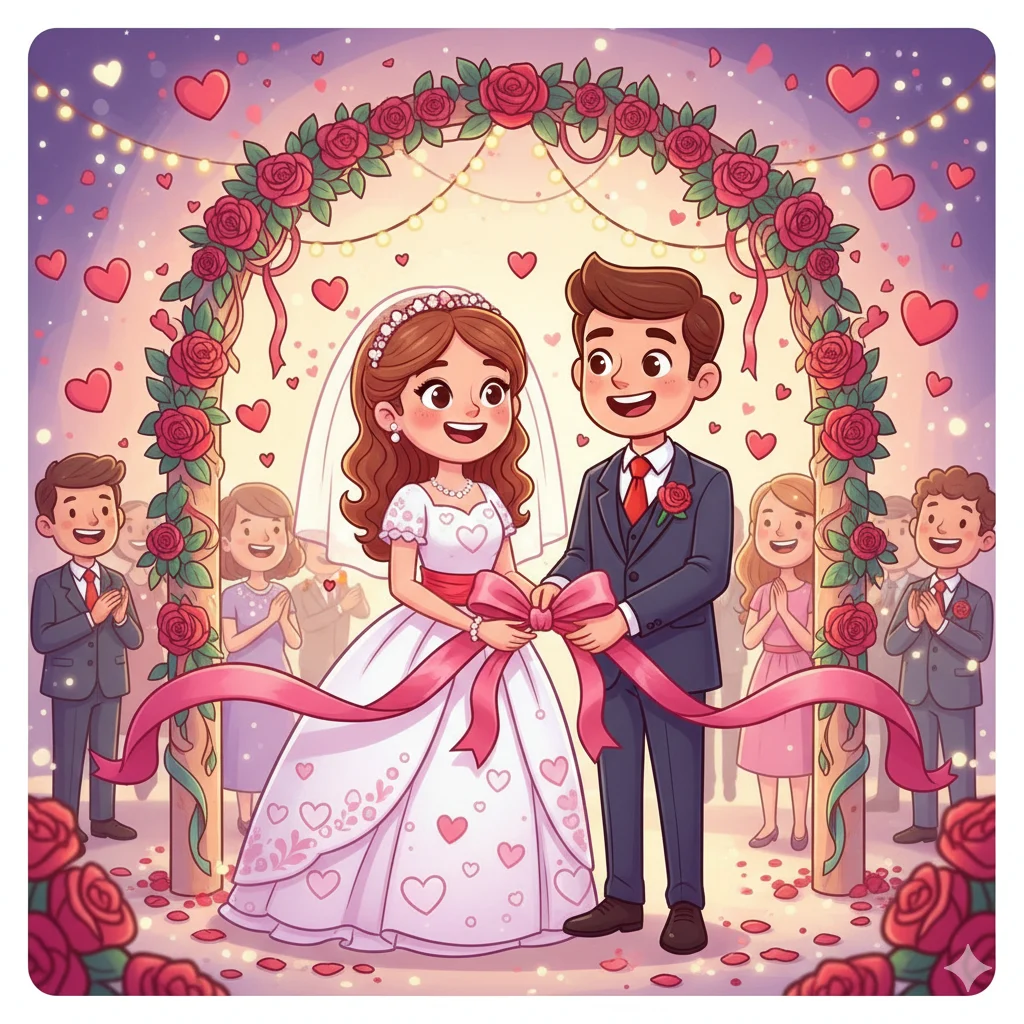
- “They decided to tie the knot after five years of dating.”
Common error: Confusing with “tie a ribbon” (literal).
Usage note: Common in wedding announcements.
5. Heart of Gold
Word-by-word meaning: A heart made of gold.
Idiomatic meaning: A person who is very kind and loving.
Example sentences:
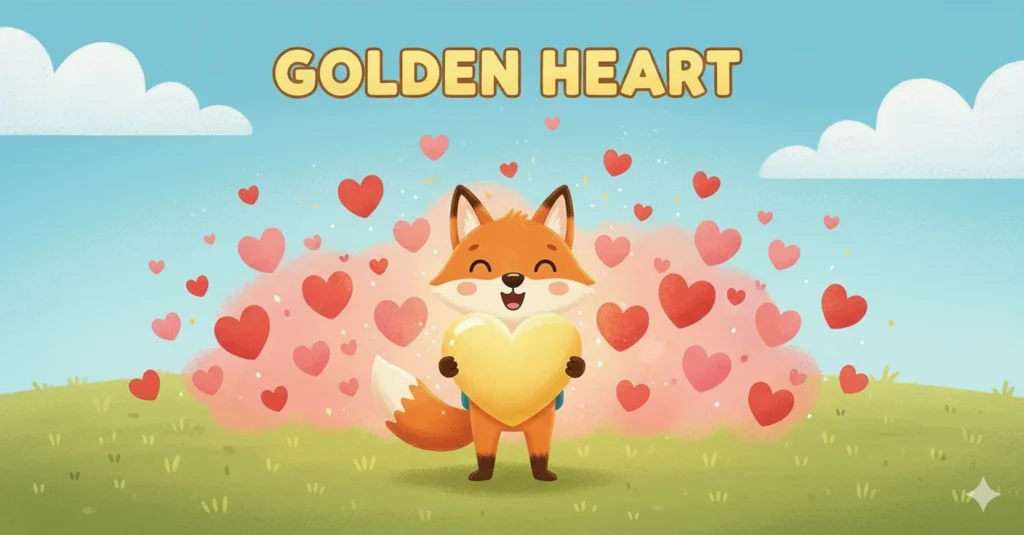
- “She has a heart of gold and always helps everyone.”
Common error: Saying “golden heart” (less common, sounds awkward).
Usage note: Often used to compliment character rather than romantic love.
6. Break Someone’s Heart
Word-by-word meaning: To physically shatter a heart (literal).
Idiomatic meaning: To cause someone emotional pain by ending a relationship.
Example sentences:
- “He broke her heart when he moved to another country.”
Common error: Using in non-romantic situations.
Usage note: Romantic context is key.
7. In Love with
Word-by-word meaning: Being inside love.
Idiomatic meaning: Deep romantic affection for someone.
Example sentences:
- “She’s in love with her best friend.”
Common error: Confusing with “loving someone” (less idiomatic).
Usage note: Can describe ongoing romantic feelings.
8. Wear Your Heart on Your Sleeve
Word-by-word meaning: Displaying your heart openly.
Idiomatic meaning: Showing emotions openly, especially love.
Example sentences:
- “He wears his heart on his sleeve, so you always know how he feels.”
Common error: Saying “heart on the wrist” (incorrect).
Usage note: Emotional openness is implied.
9. Lovebirds
Word-by-word meaning: Birds that represent love.
Idiomatic meaning: A couple who is very affectionate.
Example sentences:
- “Look at those lovebirds walking in the park.”
Common error: Using for friends (should be romantic).
Usage note: Informal, playful term.
10. Fall for Someone
Word-by-word meaning: Literally falling onto someone.
Idiomatic meaning: To develop romantic feelings.
Example sentences:
- “He fell for her the moment they met.”
Common error: Confusing with “fall in love with oneself” (incorrect).
Usage note: Often used for new crushes.
11. Steal Someone’s Heart
Word-by-word meaning: Taking a heart away.
Idiomatic meaning: To make someone fall in love with you.
Example sentences:
- “Her smile stole his heart instantly.”
Common error: Using literally (don’t take hearts literally!).
Usage note: Often romantic or poetic.
12. Head in the Clouds
Word-by-word meaning: Having your head up in the sky.
Idiomatic meaning: Daydreaming, often about love.
Example sentences:
- “She’s been head in the clouds ever since she met him.”
Common error: Using in serious, practical contexts.
Usage note: Romantic daydreaming is implied.
13. Love is Blind
Word-by-word meaning: Love prevents sight.
Idiomatic meaning: People in love may overlook faults.
Example sentences:
- “They argue all the time, but love is blind.”
Common error: Misused for platonic love.
Usage note: Common proverb in romantic advice.
14. Two Peas in a Pod
Word-by-word meaning: Two peas together.
Idiomatic meaning: Very similar, compatible, often romantic.
Example sentences:
- “They are like two peas in a pod.”
Common error: Using for random acquaintances.
Usage note: Implies closeness and harmony.
15. Opposites Attract
Word-by-word meaning: Differences draw together.
Idiomatic meaning: People with contrasting traits often fall in love.
Example sentences:
- “They couldn’t be more different, but opposites attract.”
Common error: Overgeneralizing to all relationships.
Usage note: Romantic paradox context.
16. Love-Hate Relationship
Word-by-word meaning: Mixed feelings of love and hate.
Idiomatic meaning: Relationship with both affection and conflict.
Example sentences:
- “Their love-hate relationship keeps everyone guessing.”
Common error: Using literally, not figuratively.
Usage note: Often playful or dramatic tone.
17. Carry a Torch for Someone
Word-by-word meaning: Holding a torch.
Idiomatic meaning: Loving someone secretly or unrequited love.
Example sentences:
- “He’s been carrying a torch for her since high school.”
Common error: Misinterpreted as literal fire.
Usage note: Romantic longing implied.
18. Pop the Question
Word-by-word meaning: Ask a question suddenly.
Idiomatic meaning: To propose marriage.
Example sentences:
- “He finally popped the question at the beach.”
Common error: Using for non-romantic questions.
Usage note: Marriage proposal context only.
19. Go Steady
Word-by-word meaning: Move steadily.
Idiomatic meaning: Be in a committed romantic relationship.
Example sentences:
- “They’ve been going steady for two years.”
Common error: Confusing with casual dating.
Usage note: Implies exclusivity.
20. Smitten
Word-by-word meaning: Struck or hit.
Idiomatic meaning: Deeply infatuated or in love.
Example sentences:
- “He’s completely smitten with her.”
Common error: Overusing for mild interest.
Usage note: Romantic admiration is intense.
FAQs
Q1: What are the best idioms to use in a Valentine’s card?
A1: Idioms like “Head Over Heels,” “Love at First Sight,” and “Steal Someone’s Heart” make messages charming and heartfelt.
Q2: Can idioms for Valentine’s Day be used in texts or chats?
A2: Absolutely! They make your messages playful and engaging.
Q3: Are these idioms only for romantic love?
A3: Most are romantic, but some like “Heart of Gold” can describe platonic love.
Q4: How can I practice using these idioms naturally?
A4: Try writing short sentences or love notes using one idiom each day.
Q5: Can I mix idioms for fun expressions?
A5: Yes! Just ensure the context remains clear and romantic.
Conclusion
Using idioms for Valentine’s Day can make your expressions of love more colorful, playful, and memorable. Start practicing these today and surprise your loved ones with heartfelt messages that truly resonate. Love is not just said—it’s beautifully expressed.

Shirley Jackson, author at SeekIdiom, writes clear explanations of English idioms with examples to help learners improve vocabulary and communication skills.