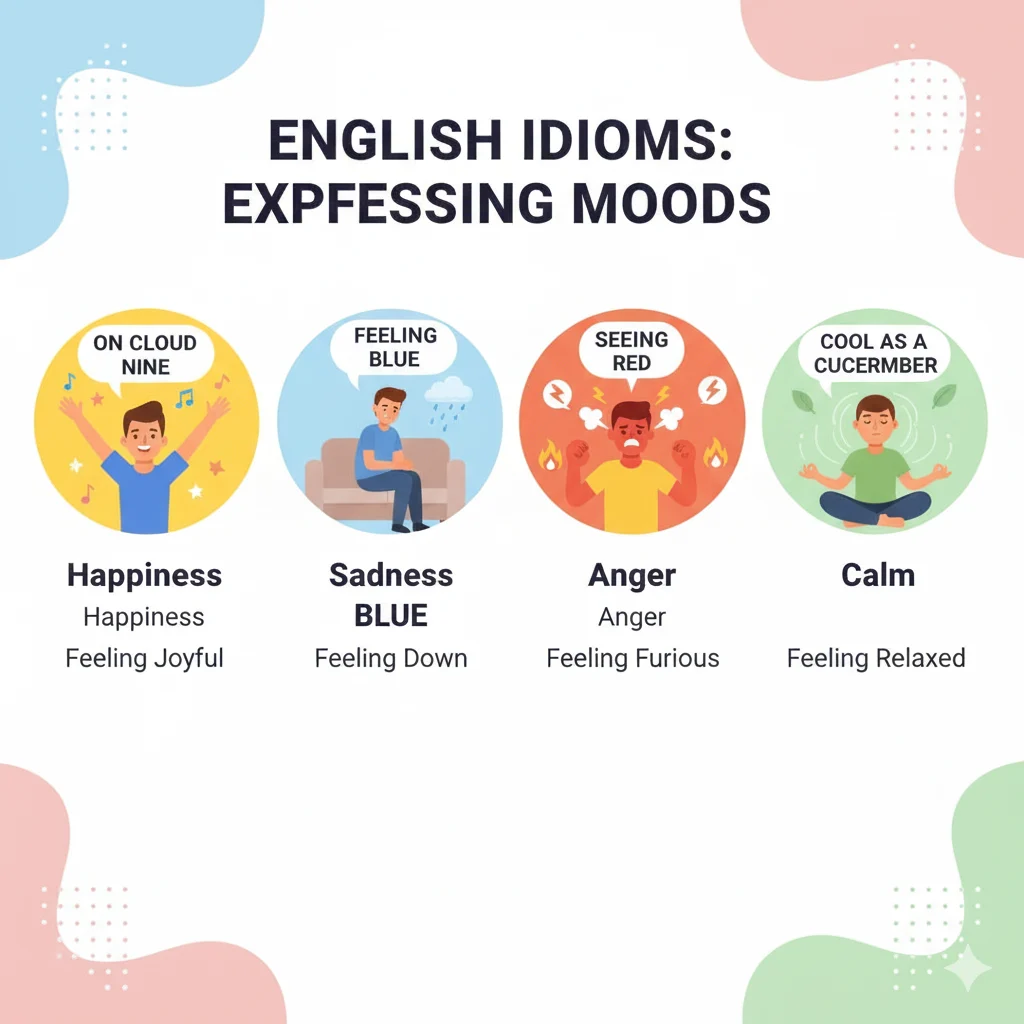
Mood idioms help us express emotions in a colorful, natural way. Instead of saying “I’m happy” or “I’m sad,” native speakers often use mood idioms to show how they truly feel.
If you’ve ever felt on cloud nine or down in the dumps, this guide will help you understand and use these expressions confidently in daily English.
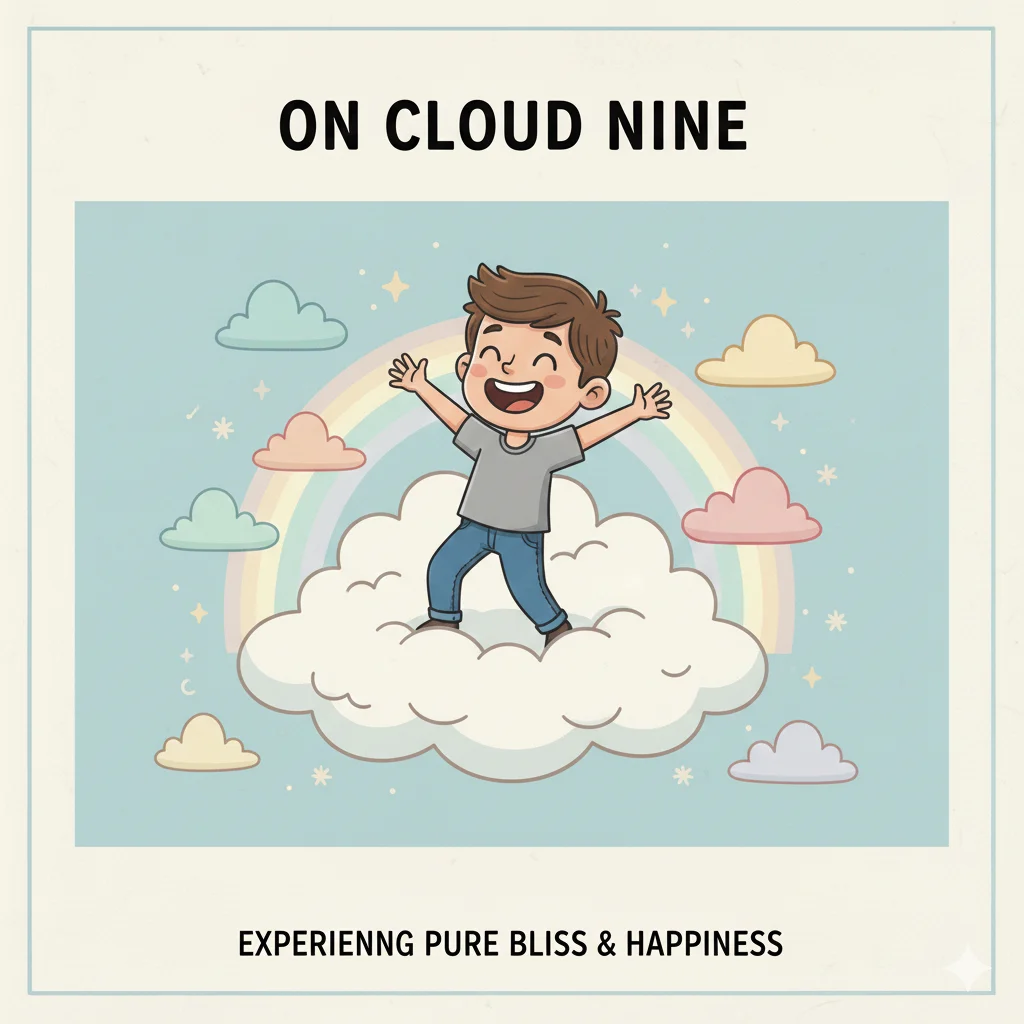
On Cloud Nine
Word-by-word Meaning
- Cloud: something in the sky
- Nine: a number
Idiomatic / Figurative Meaning
Extremely happy or joyful.
Example Sentences
- She was on cloud nine after hearing the good news.
- I felt on cloud nine when I passed my exam.
Common Error
❌ on the cloud nine
✅ on cloud nine
Usage Note
Used for strong happiness, not small everyday joy.
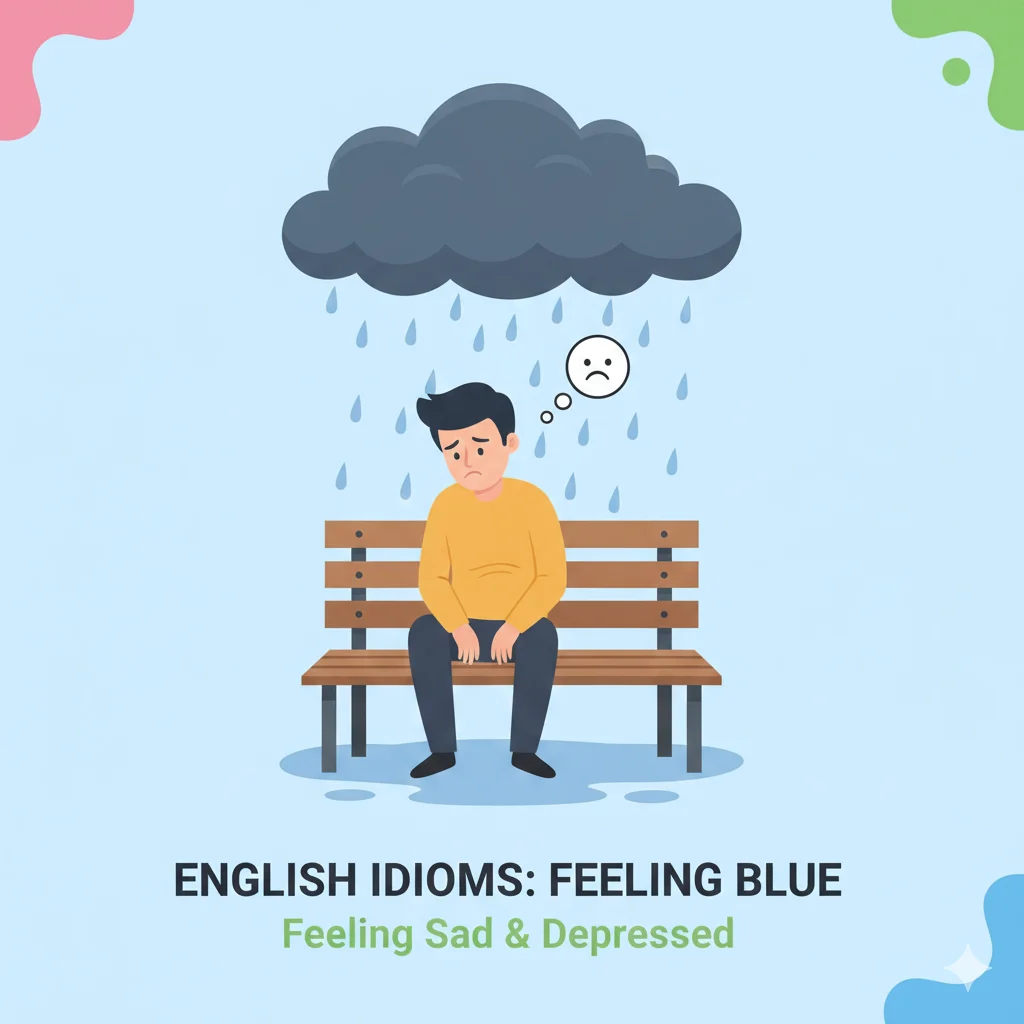
Down in the Dumps
Word-by-word Meaning
- Down: low
- Dumps: trash places
Idiomatic / Figurative Meaning
Feeling sad or depressed.
Example Sentences
- He’s been down in the dumps all week.
- I felt down in the dumps after the trip ended.
Common Error
Using it for physical tiredness.
Usage Note
Refers to emotional sadness, not fatigue.
In High Spirits
Word-by-word Meaning
- High: elevated
- Spirits: mood or energy
Idiomatic / Figurative Meaning
Feeling cheerful and energetic.
Example Sentences
- The kids were in high spirits at the party.
- She stayed in high spirits despite the stress.

Common Error
Mixing with alcohol “spirits.”
Usage Note
Common in positive social situations.
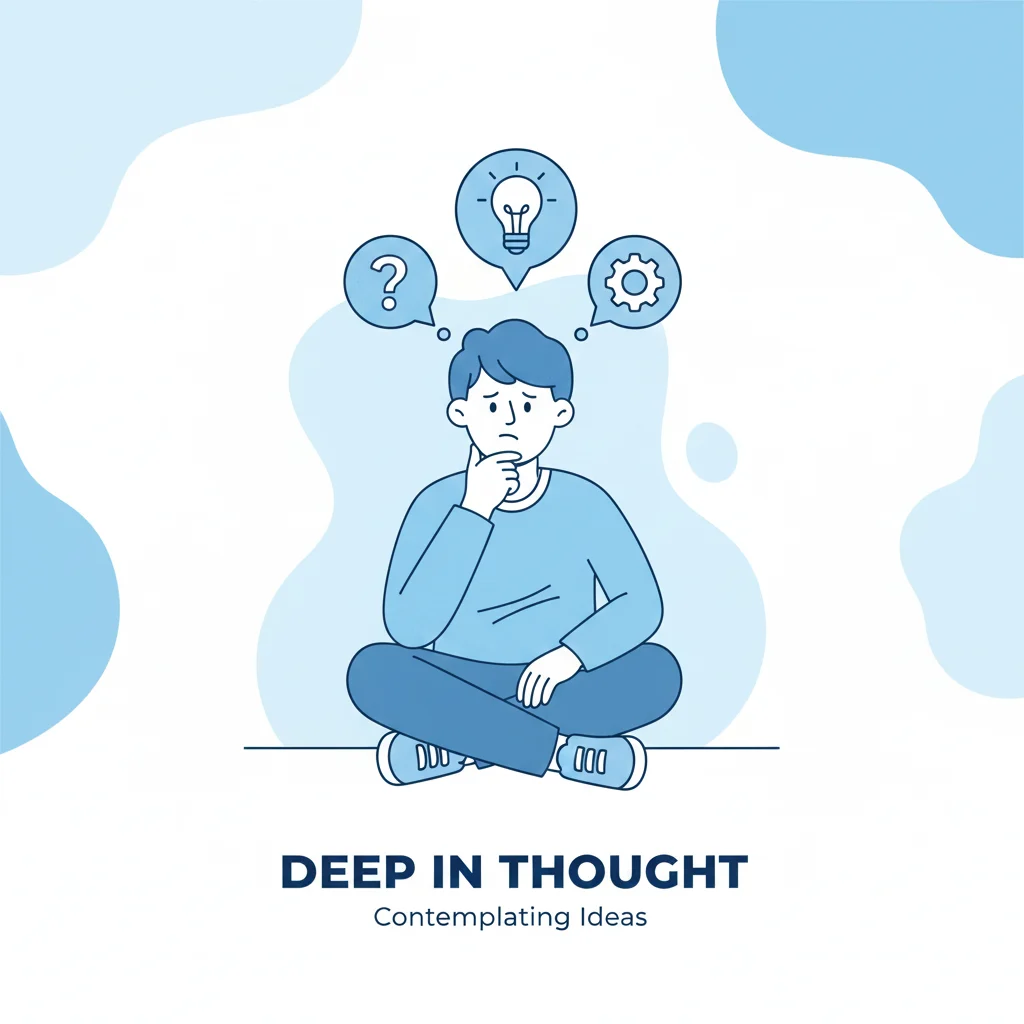
Feeling Blue
Word-by-word Meaning
- Blue: a color
Idiomatic / Figurative Meaning
Feeling sad or low.
Example Sentences
- I’m feeling blue today for no reason.
- Rainy weather makes her feel blue.
Common Error
Using it for anger.
Usage Note
Mild sadness, not deep depression.
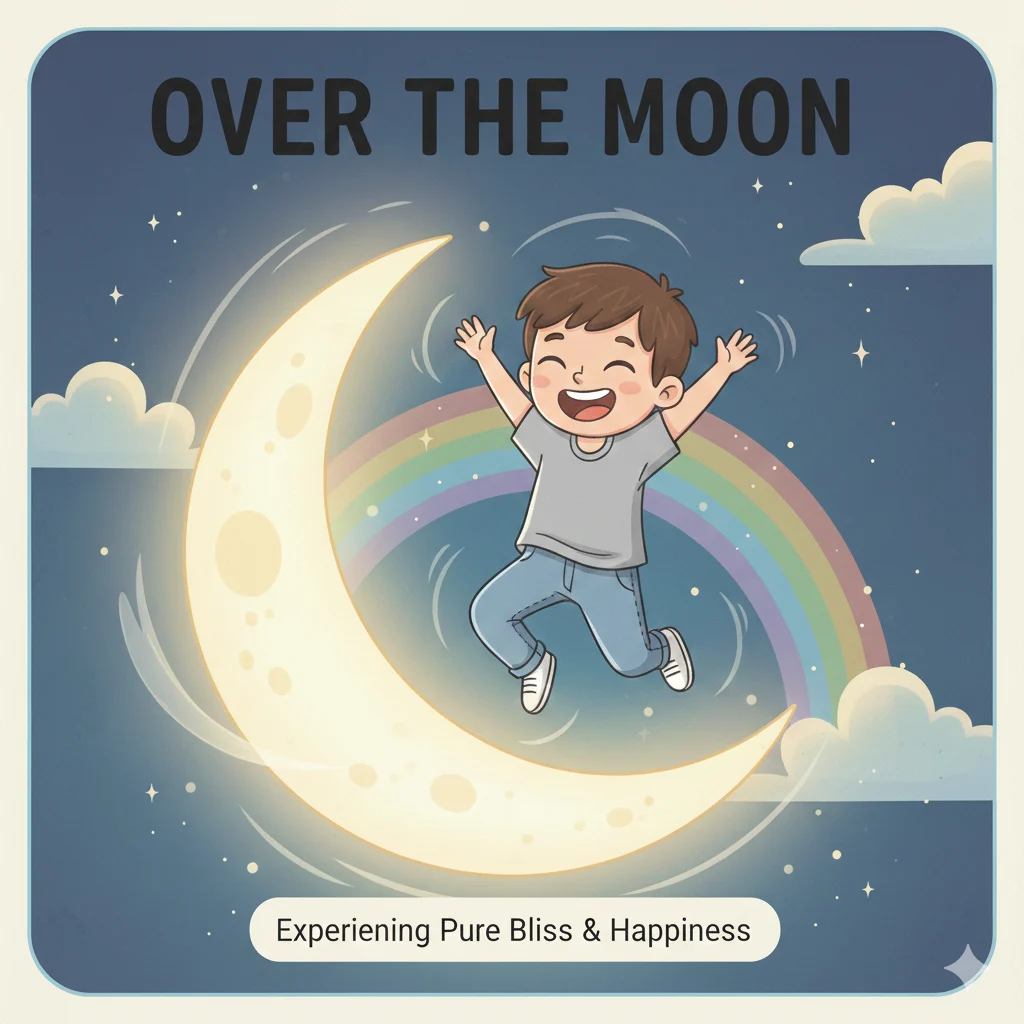
Over the Moon
Word-by-word Meaning
- Over: above
- Moon: Earth’s satellite
Idiomatic / Figurative Meaning
Extremely happy or excited.
Example Sentences
- She was over the moon about her promotion.
- We’re over the moon to see you.
Common Error
Using it for surprise instead of happiness.
Usage Note
Very common in spoken English.
Lose Your Cool
Word-by-word Meaning
- Lose: not control
- Cool: calmness
Idiomatic / Figurative Meaning
To become angry or upset.
Example Sentences
- He lost his cool during the argument.
- Try not to lose your cool at work.
Common Error
Using it for sadness.
Usage Note
Refers to anger, not fear.
In a Bad Mood
Word-by-word Meaning
- Bad: negative
- Mood: emotional state
Idiomatic / Figurative Meaning
Feeling annoyed or unhappy.
Example Sentences
- She’s in a bad mood today.
- Don’t talk to him when he’s in a bad mood.
Common Error
Adding “the” before bad mood.
Usage Note
Very common and informal.
Walking on Air
Word-by-word Meaning
- Walking: moving
- Air: atmosphere
Idiomatic / Figurative Meaning
Feeling extremely happy.
Example Sentences
- He was walking on air after the wedding.
- I’m walking on air today!
Common Error
Using it for confidence only.
Usage Note
Focuses on emotional happiness.
Blow Off Steam
Word-by-word Meaning
- Blow off: release
- Steam: pressure
Idiomatic / Figurative Meaning
To release stress or anger.
Example Sentences
- I go jogging to blow off steam.
- She talked to friends to blow off steam.
Common Error
Using it for happiness.
Usage Note
Used after stress or frustration.
In a Funk
Word-by-word Meaning
- Funk: low state
Idiomatic / Figurative Meaning
A period of sadness or low motivation.
Example Sentences
- He’s been in a funk lately.
- I’m trying to get out of this funk.
Common Error
Using it for physical illness.
Usage Note
Informal American English.
At Ease
Word-by-word Meaning
- At: in
- Ease: comfort
Idiomatic / Figurative Meaning
Feeling relaxed and comfortable.
Example Sentences
- She felt at ease with her new team.
- Make guests feel at ease.
Common Error
Confusing with “easy.”
Usage Note
Often used in social settings.
Shake It Off
Word-by-word Meaning
- Shake: move
- Off: away
Idiomatic / Figurative Meaning
To stop feeling upset.
Example Sentences
- Just shake it off and move on.
- He tried to shake off the stress.
Common Error
Using only for physical movement.
Usage Note
Encouraging phrase.
In Seventh Heaven
Word-by-word Meaning
- Seventh: number
- Heaven: paradise
Idiomatic / Figurative Meaning
Extremely happy.
Example Sentences
- She was in seventh heaven on vacation.
- He’s in seventh heaven with his new job.
Common Error
Mixing with “cloud nine.”
Usage Note
Very strong happiness.
Get on Someone’s Nerves
Word-by-word Meaning
- Get on: affect
- Nerves: emotions
Idiomatic / Figurative Meaning
To annoy someone.
Example Sentences
- Loud noises get on my nerves.
- He’s starting to get on her nerves.
Common Error
Using for anger only.
Usage Note
Common in daily conversation.
Have Mixed Feelings
Word-by-word Meaning
- Mixed: combined
- Feelings: emotions
Idiomatic / Figurative Meaning
Having conflicting emotions.
Example Sentences
- I have mixed feelings about moving.
- She had mixed feelings after quitting.
Common Error
Using it for one emotion.
Usage Note
Very useful for real-life situations.
Fly Off the Handle
Word-by-word Meaning
- Fly off: lose control
- Handle: grip
Idiomatic / Figurative Meaning
To suddenly become very angry.
Example Sentences
- He flew off the handle over nothing.
- Don’t fly off the handle so fast.
Common Error
Using it for sadness.
Usage Note
Strong anger expression.
Feel Under the Weather
Word-by-word Meaning
- Under: below
- Weather: climate
Idiomatic / Figurative Meaning
Feeling slightly ill or low.
Example Sentences
- I’m feeling under the weather today.
- She stayed home feeling under the weather.
Common Error
Using it for severe illness.
Usage Note
Mild condition only.
Be All Smiles
Word-by-word Meaning
- All: completely
- Smiles: happy expressions
Idiomatic / Figurative Meaning
Very happy and cheerful.
Example Sentences
- She was all smiles at the party.
- The kids were all smiles.
Common Error
Using it sarcastically without context.
Usage Note
Visual happiness.
In a Good Mood
Word-by-word Meaning
- Good: positive
- Mood: emotional state
Idiomatic / Figurative Meaning
Feeling happy or pleasant.
Example Sentences
- He’s in a good mood today.
- I’m in a good mood, let’s talk.
Common Error
Overusing in formal writing.
Usage Note
Neutral and safe expression.
Heavy Heart
Word-by-word Meaning
- Heavy: weighed down
- Heart: emotions
Idiomatic / Figurative Meaning
Feeling deep sadness.
Example Sentences
- She left with a heavy heart.
- He spoke with a heavy heart.
Common Error
Using it for stress only.
Usage Note
Emotional and serious tone.
FAQs About Mood Idioms
Q1: What are mood idioms?
Mood idioms are expressions that describe emotions in a figurative, natural way.
Q2: Are mood idioms formal or informal?
Most mood idioms are informal and used in spoken English.
Q3: Can I use mood idioms in writing?
Yes, especially in blogs, stories, and conversational writing.
Q4: How can I remember mood idioms easily?
Practice them in sentences related to your daily life.
Conclusion
Learning mood idioms helps you sound more natural, expressive, and confident in English. Start using one or two idioms daily, notice how native speakers use them, and practice with real-life examples. The more you use them, the more natural they’ll feel.

Anita Brookner, author at SeekIdiom, shares easy explanations of English idioms with examples to help learners expand vocabulary and speak more confidently.