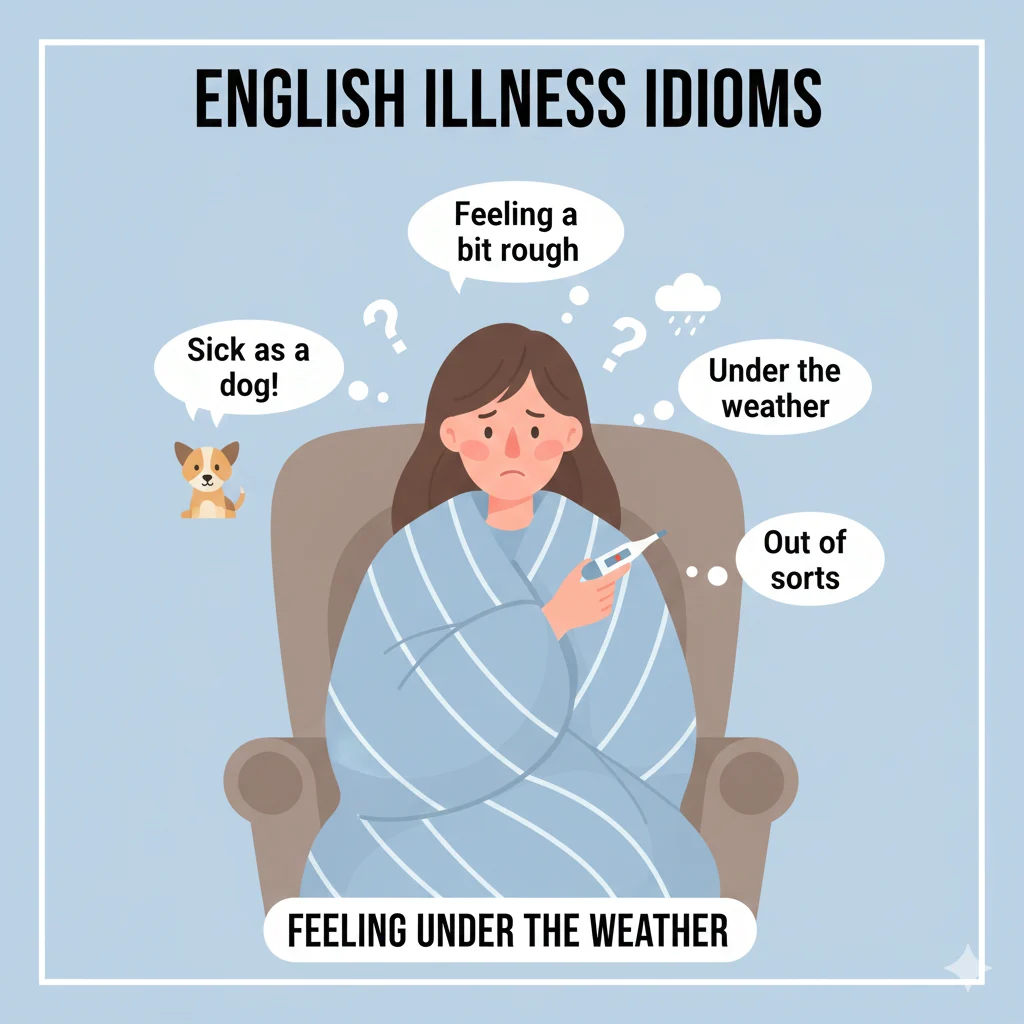
Feeling unwell is something everyone experiences—and English has many colorful ways to express it. These idioms for feeling sick help you sound more natural, fluent, and confident in everyday conversations. 🤒
Whether you have a mild headache or a terrible flu, these expressions are commonly used by native speakers and appear frequently in movies, books, and real life.
Below are famous idioms for feeling sick, each explained clearly and simply.
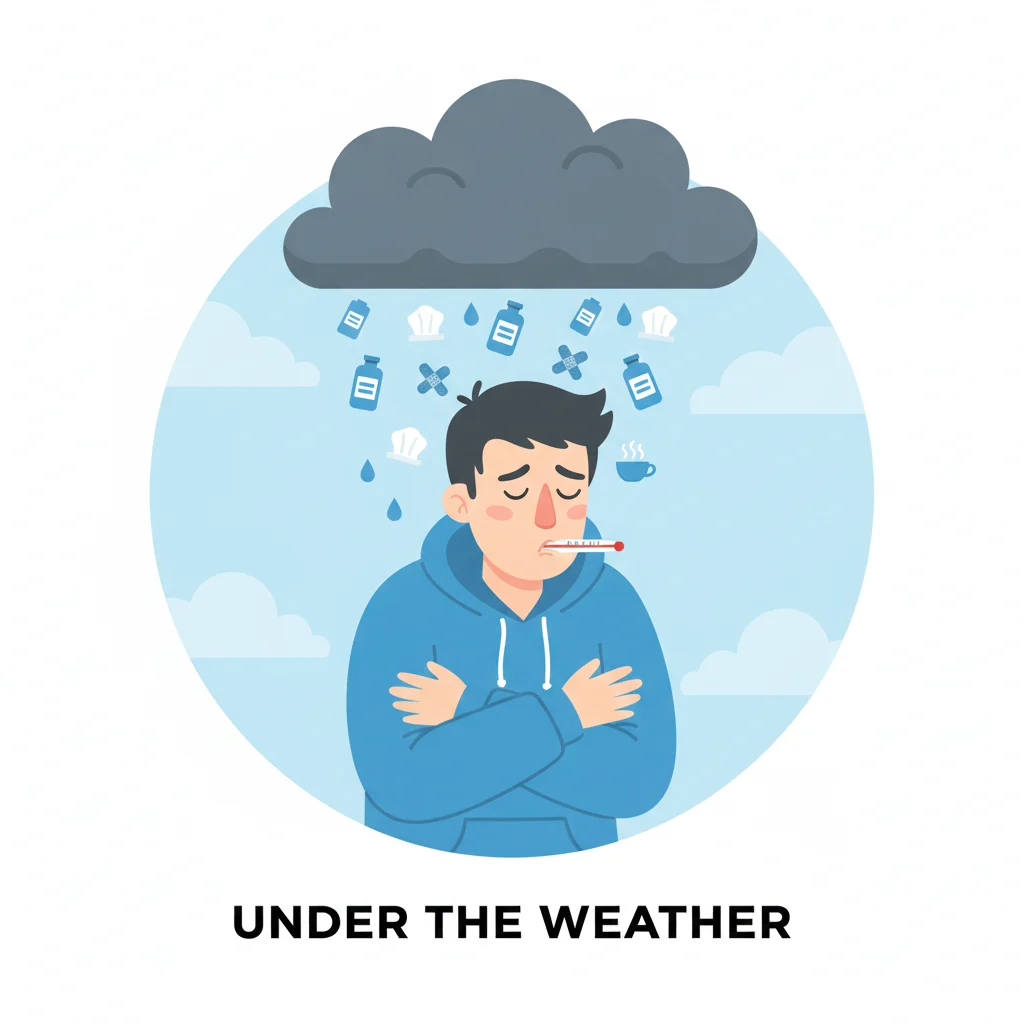
Under the Weather
Word-by-Word Meaning
Under = below
Weather = climate
Idiomatic / Figurative Meaning
Feeling slightly sick or unwell.
Example Sentences
- I’m feeling under the weather, so I’ll stay home today.
- She skipped the party because she was under the weather.
Common Error
❌ Saying it for serious illness
✅ Use it only for mild sickness
Usage Note
Very common in casual and professional English.
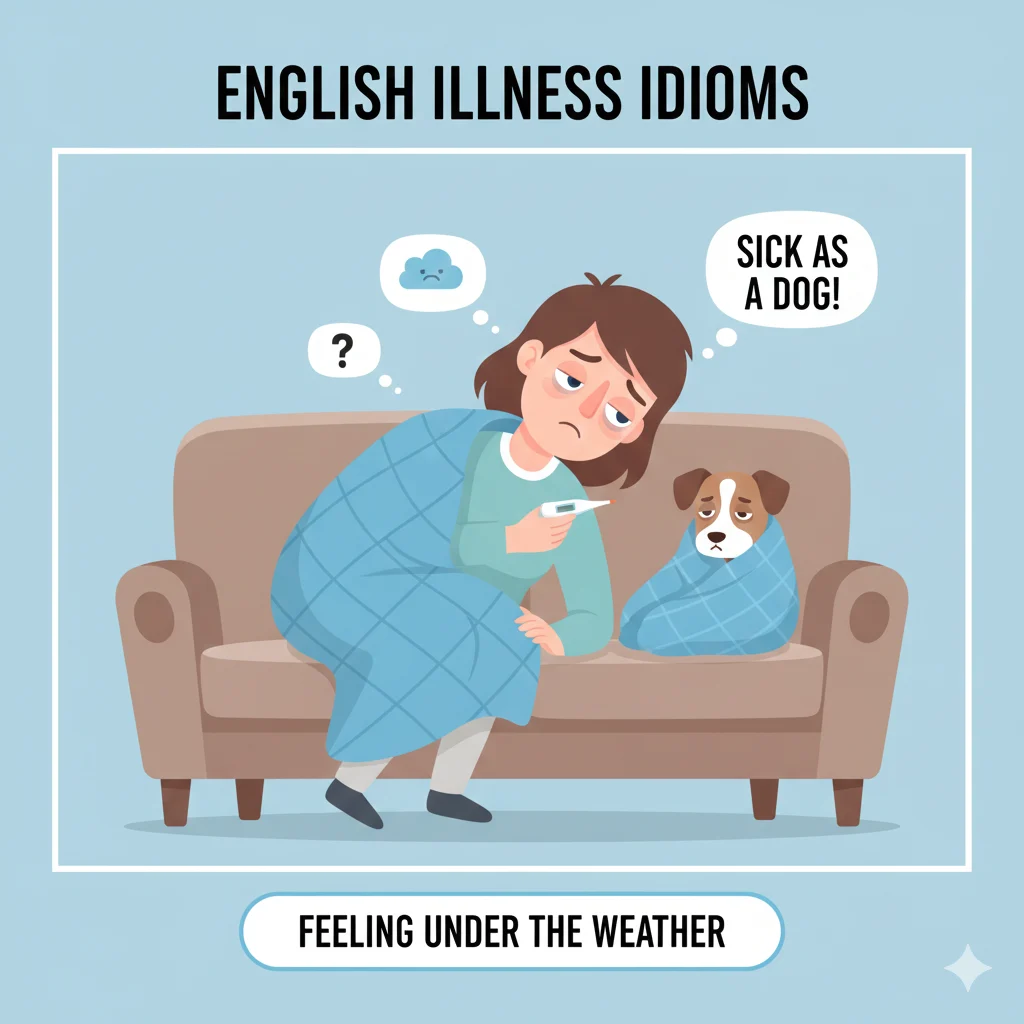
Sick as a Dog
Word-by-Word Meaning
Sick = ill
Dog = animal
Idiomatic / Figurative Meaning
Extremely sick, often with vomiting.
Example Sentences
- I was sick as a dog after eating street food.
- He felt sick as a dog all night.
Common Error
❌ Thinking it refers to animals
✅ It describes people, not dogs
Usage Note
Informal, emotional expression.
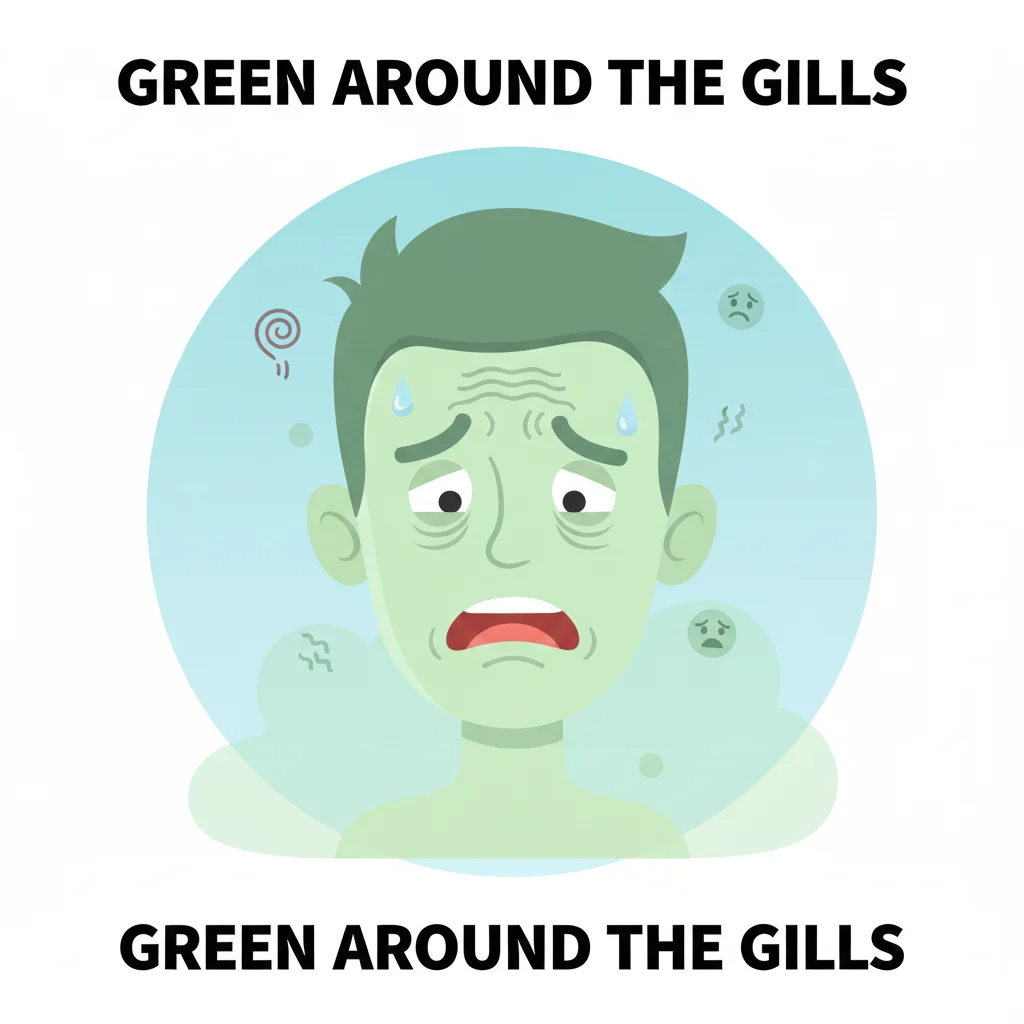
Green Around the Gills
Word-by-Word Meaning
Green = color
Gills = fish breathing organs
Idiomatic / Figurative Meaning
Looking pale and nauseous.
Example Sentences
- You look green around the gills—are you okay?
- She turned green around the gills during the boat ride.
Common Error
❌ Using it only for color
✅ It refers to sickness
Usage Note
Often used when someone looks ill.
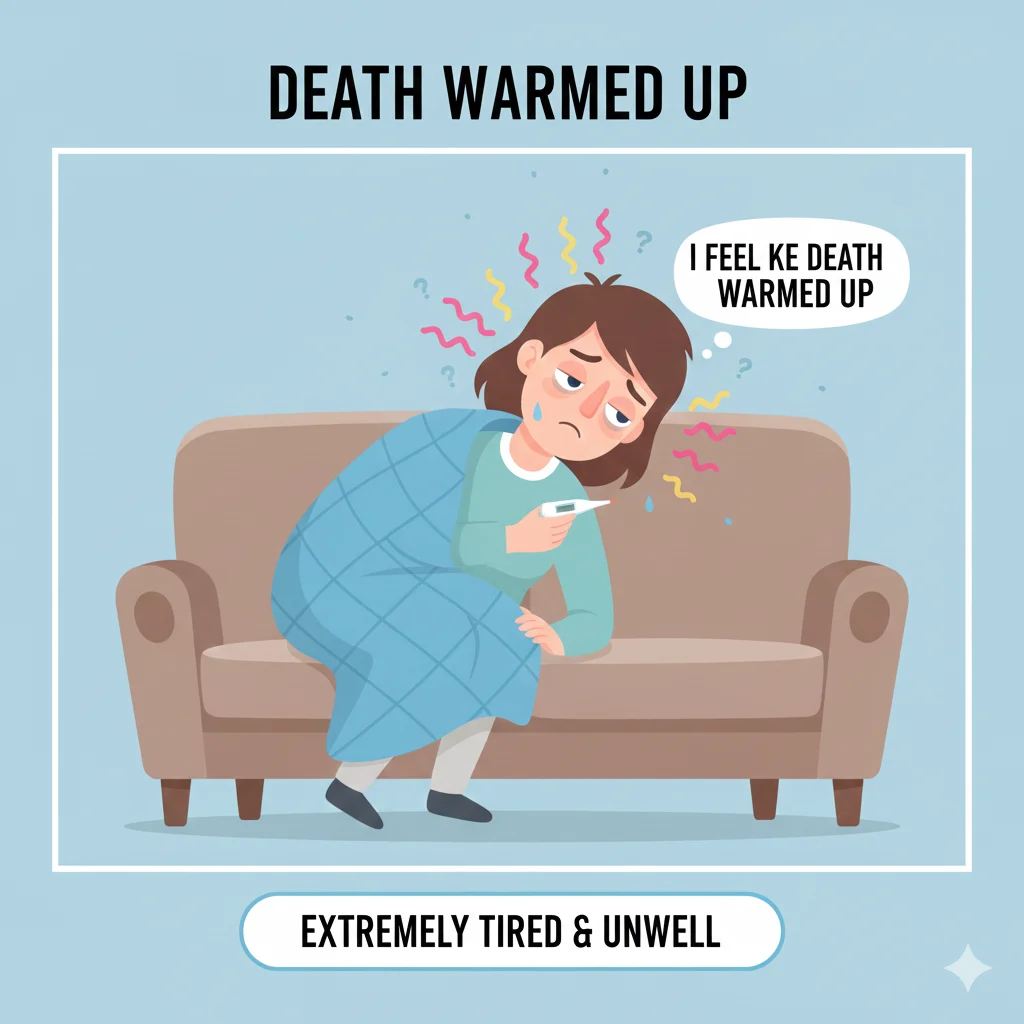
Feel Like Death Warmed Up
Word-by-Word Meaning
Death = dying
Warmed up = heated
Idiomatic / Figurative Meaning
Feeling extremely weak and sick.
Example Sentences
- I feel like death warmed up today.
- After the flu, he felt like death warmed up.
Common Error
❌ Using it literally
✅ It’s exaggerated expression
Usage Note
British English, informal.
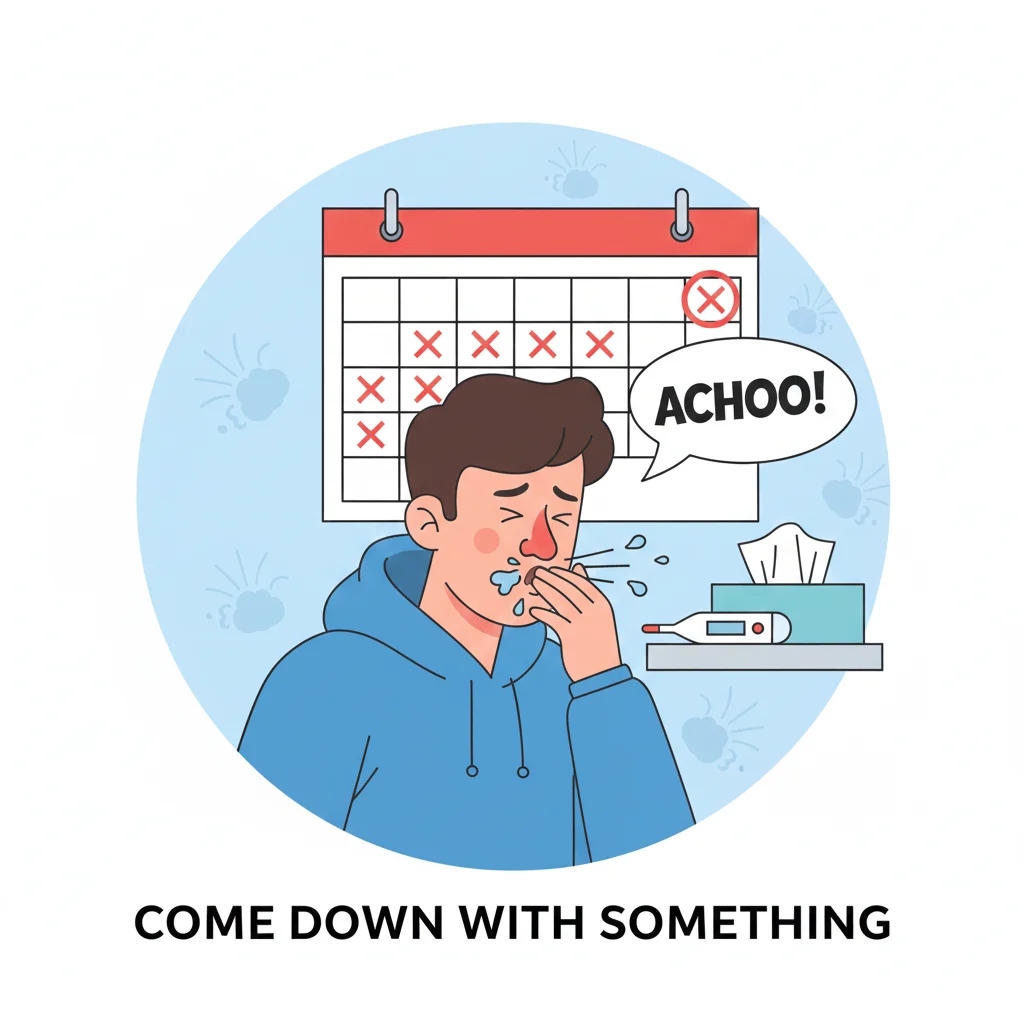
Come Down With Something
Word-by-Word Meaning
Come down = become ill
Something = unknown illness
Idiomatic / Figurative Meaning
Starting to get sick.
Example Sentences
- I think I’m coming down with something.
- She came down with the flu.
Common Error
❌ Using for long illnesses
✅ Best for sudden sickness
Usage Note
Very common in spoken English.
Out of Sorts
Word-by-Word Meaning
Out = not
Sorts = order
Idiomatic / Figurative Meaning
Feeling unwell or low-energy.
Example Sentences
- I’ve been feeling out of sorts all day.
- He’s out of sorts due to a cold.
Common Error
❌ Confusing with mood only
✅ Can mean physical sickness too
Usage Note
Mild and polite phrase.
On One’s Last Legs
Word-by-Word Meaning
Last = final
Legs = body support
Idiomatic / Figurative Meaning
Very weak due to illness.
Example Sentences
- I’m on my last legs after this fever.
- She was on her last legs with exhaustion.
Common Error
❌ Using only for machines
✅ Works for people too
Usage Note
Can refer to illness or tiredness.
Run-Down
Word-by-Word Meaning
Run = worn
Down = low
Idiomatic / Figurative Meaning
Physically weak or unhealthy.
Example Sentences
- I feel really run-down lately.
- Stress can make you feel run-down.
Common Error
❌ Using for sudden sickness
✅ Better for long-term weakness
Usage Note
Common in health conversations.
Not Feeling Oneself
Word-by-Word Meaning
Not = negative
Self = normal state
Idiomatic / Figurative Meaning
Feeling slightly sick or off.
Example Sentences
- I’m not feeling myself today.
- She stayed home because she wasn’t feeling herself.
Common Error
❌ Using for personality change only
✅ Can mean illness too
Usage Note
Polite and indirect expression.
Laid Up
Word-by-Word Meaning
Laid = resting
Up = confined
Idiomatic / Figurative Meaning
Unable to move due to sickness.
Example Sentences
- He’s been laid up with the flu.
- She was laid up for a week.
Common Error
❌ Using for short rest
✅ Usually serious illness
Usage Note
Often followed by “with + illness”.
Feel Queasy
Word-by-Word Meaning
Queasy = nauseous
Idiomatic / Figurative Meaning
Feeling like vomiting.
Example Sentences
- I feel queasy after that ride.
- The smell made him queasy.
Common Error
❌ Confusing with dizziness
✅ Mainly nausea
Usage Note
Neutral, everyday English.
Under the Knife (Illness Context)
Word-by-Word Meaning
Knife = surgical tool
Idiomatic / Figurative Meaning
Needing surgery due to illness.
Example Sentences
- He’s going under the knife tomorrow.
- She went under the knife for her appendix.
Common Error
❌ Using casually
✅ Serious medical context
Usage Note
Health-related idiom.
At Death’s Door
Word-by-Word Meaning
Death = dying
Door = entrance
Idiomatic / Figurative Meaning
Extremely ill.
Example Sentences
- He was at death’s door with pneumonia.
- She looked at death’s door last week.
Common Error
❌ Overusing dramatically
✅ Use for severe illness
Usage Note
Strong, dramatic phrase.
Feel Rough
Word-by-Word Meaning
Rough = uncomfortable
Idiomatic / Figurative Meaning
Feeling unwell, often after flu or hangover.
Example Sentences
- I’m feeling rough today.
- He felt rough after the fever.
Common Error
❌ Confusing with tiredness only
✅ Includes sickness
Usage Note
British English, informal.
A Splitting Headache
Word-by-Word Meaning
Splitting = severe
Headache = pain
Idiomatic / Figurative Meaning
Very painful headache.
Example Sentences
- I’ve got a splitting headache.
- Stress gave her a splitting headache.
Common Error
❌ Using for mild pain
✅ Very strong pain only
Usage Note
Common spoken idiom.
Feel Faint
Word-by-Word Meaning
Faint = weak
Idiomatic / Figurative Meaning
Feeling like you might pass out.
Example Sentences
- I feel faint and dizzy.
- She felt faint due to low sugar.
Common Error
❌ Using for sleepiness
✅ Related to weakness
Usage Note
Medical and casual use.
Be in Poor Health
Word-by-Word Meaning
Poor = bad
Health = condition
Idiomatic / Figurative Meaning
Generally unhealthy.
Example Sentences
- He’s been in poor health lately.
- Stress affects poor health.
Common Error
❌ Using for short illness
✅ Long-term condition
Usage Note
Formal expression.
Feel Like Throwing Up
Word-by-Word Meaning
Throw up = vomit
Idiomatic / Figurative Meaning
Feeling nauseous.
Example Sentences
- I feel like throwing up.
- That smell made me throw up.
Common Error
❌ Using in formal writing
✅ Casual speech only
Usage Note
Very direct and informal.
Be Bedridden
Word-by-Word Meaning
Bed = sleeping place
Ridden = confined
Idiomatic / Figurative Meaning
Unable to leave bed due to illness.
Example Sentences
- She’s been bedridden for days.
- The flu left him bedridden.
Common Error
❌ Using for rest
✅ Serious illness only
Usage Note
Formal, medical tone.
Feel Awful
Word-by-Word Meaning
Awful = terrible
Idiomatic / Figurative Meaning
Feeling very sick.
Example Sentences
- I feel awful today.
- She felt awful after the fever.
Common Error
❌ Confusing with emotions only
✅ Can be physical illness
Usage Note
Very common expression.
FAQs About Idioms for Feeling Sick
Q1: Are idioms for feeling sick used in formal English?
Some are informal, but phrases like in poor health are formal.
Q2: Can I use these idioms in exams?
Yes, but choose neutral ones like under the weather.
Q3: Which idiom means very serious illness?
At death’s door or bedridden.
Q4: Are these idioms used worldwide?
Most are used in both American and British English.
Conclusion
Learning idioms for feeling sick helps you speak English naturally and confidently. Instead of repeating “I’m ill,” try these expressions in conversations, writing, or exams. Practice them daily, and soon they’ll feel natural—just like native English! 🌟

Anita Brookner, author at SeekIdiom, shares easy explanations of English idioms with examples to help learners expand vocabulary and speak more confidently.