Idioms for hypocrisy are commonly used in English to describe people who say one thing but do another. We see this behavior everywhere—at work, in relationships, and even on social media. This guide explains the most famous hypocrisy idioms in a simple, learner-friendly way so you can understand and use them confidently in real life.
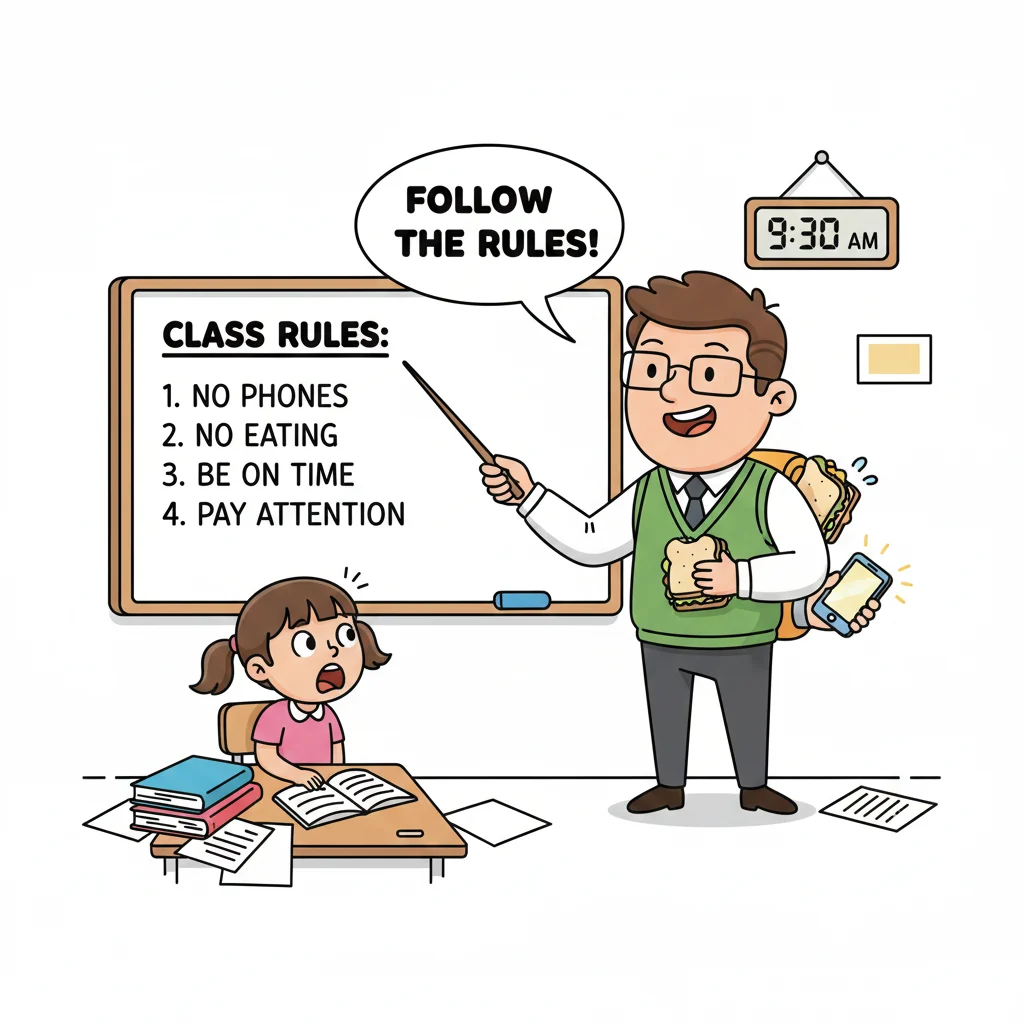
Practice What You Preach
Word-by-word meaning:
- Practice = do
- Preach = advise others
Idiomatic meaning:
To behave according to the advice you give others.
Example sentences:
- He tells everyone to be honest but cheats himself—he doesn’t practice what he preaches.
- Teachers should practice what they preach.
Common error:
❌ “Practice what you teach” (changes meaning)
Usage note:
Used to point out hypocrisy politely or critically.
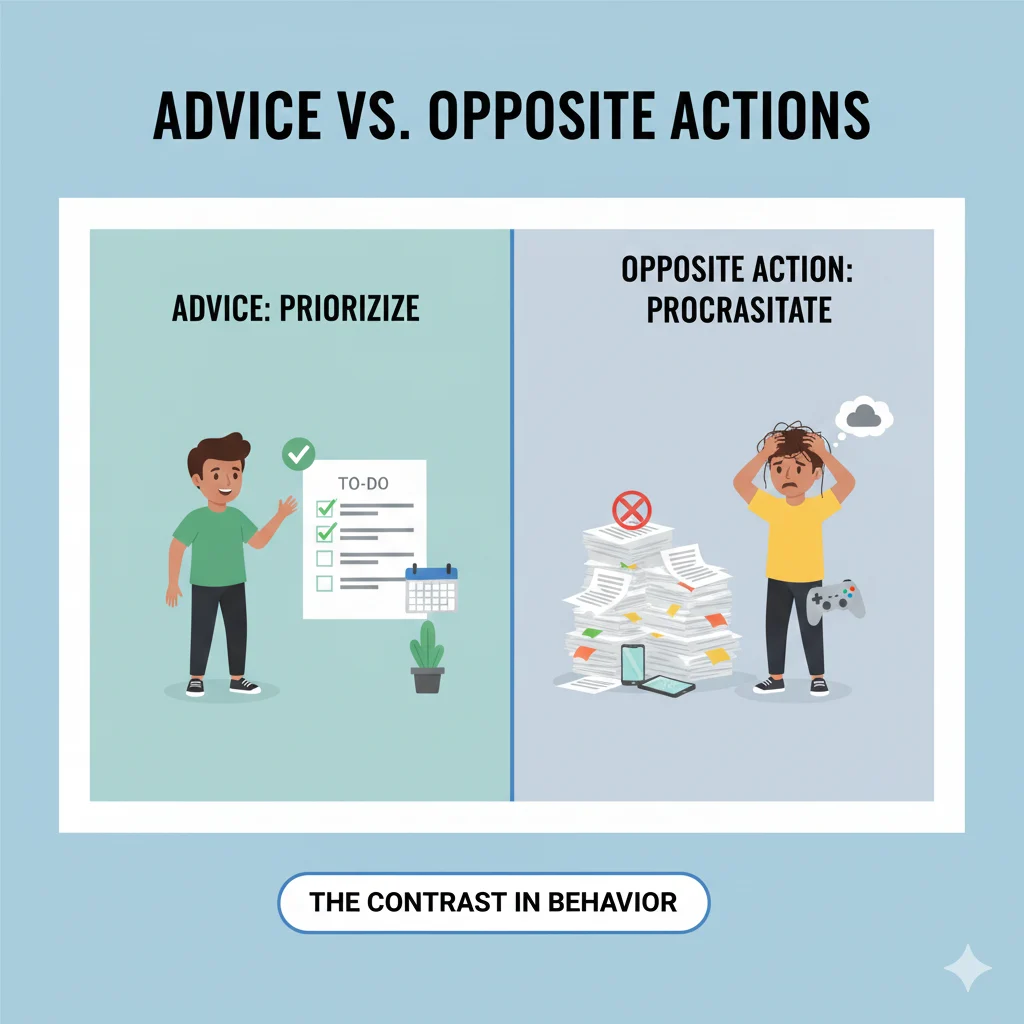
Do as I Say, Not as I Do
Word-by-word meaning:
- Say = speak
- Do = act
Idiomatic meaning:
Someone gives rules but doesn’t follow them.
Example sentences:
- My boss says “do as I say, not as I do” when he breaks company rules.
- Parents sometimes act this way without realizing it.
Common error:
❌ Using it for advice instead of criticism
Usage note:
Often used sarcastically.
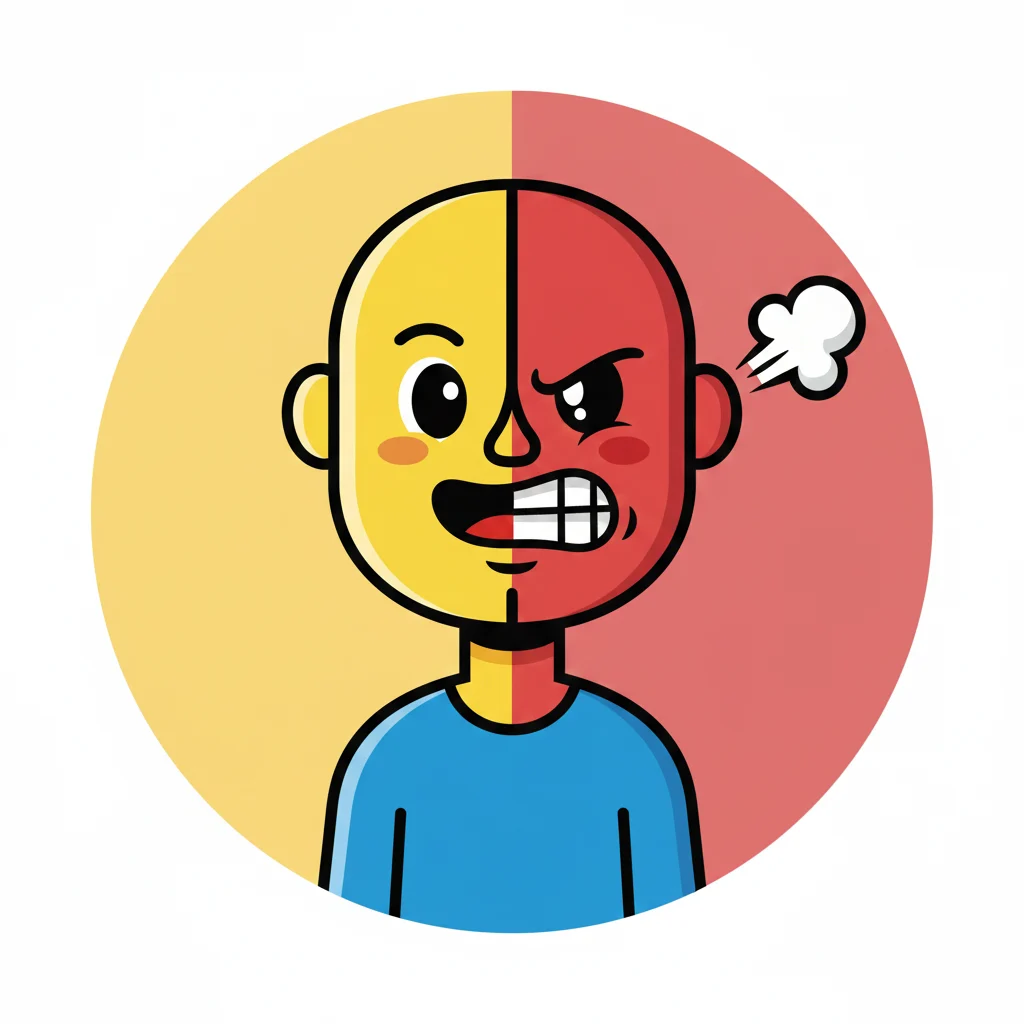
Two-Faced
Word-by-word meaning:
- Two = double
- Face = personality
Idiomatic meaning:
Someone who behaves differently depending on who they are with.
Example sentences:
- She’s friendly in public but cruel behind backs—very two-faced.
- Two-faced people are hard to trust.
Common error:
❌ Confusing with “double-faced” (incorrect)
Usage note:
Strongly negative and informal.
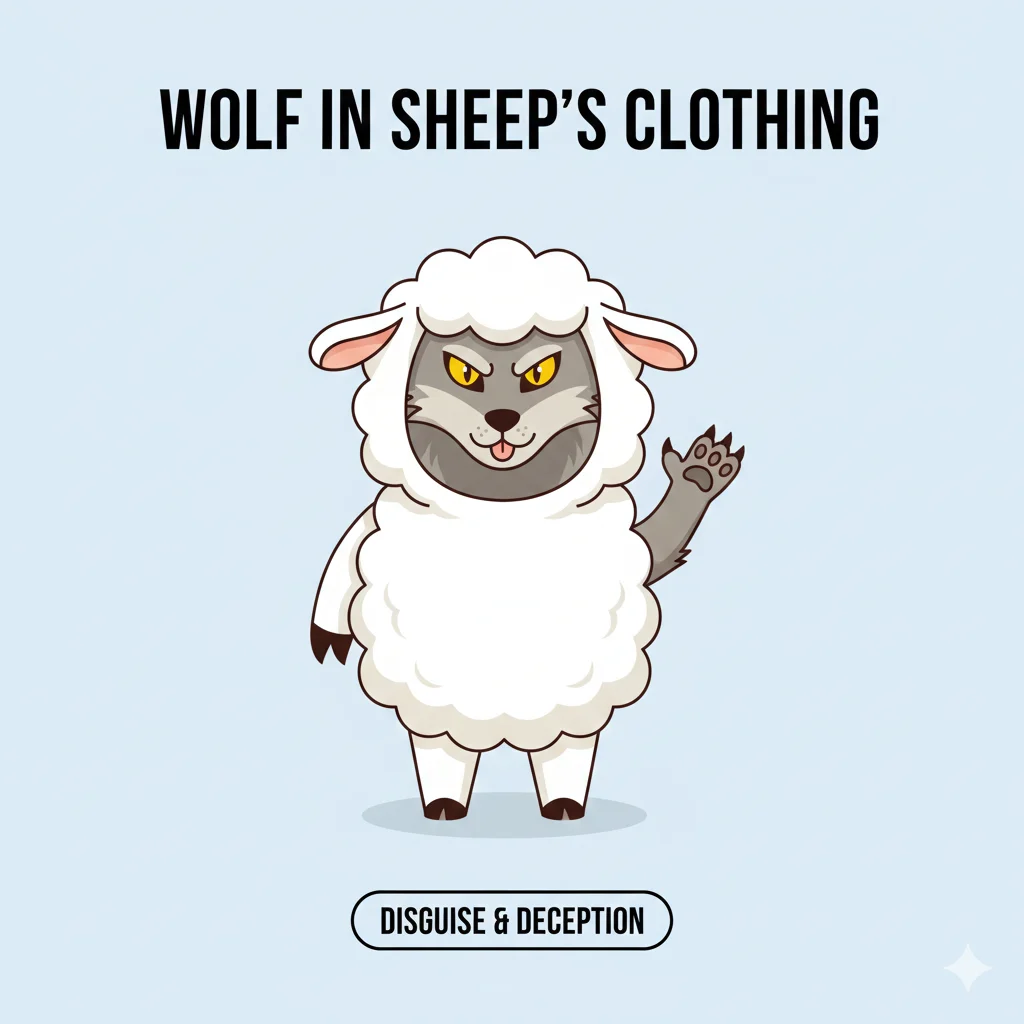
A Wolf in Sheep’s Clothing
Word-by-word meaning:
- Wolf = danger
- Sheep = innocence
Idiomatic meaning:
A dangerous or dishonest person pretending to be harmless.
Example sentences:
- He seems kind, but he’s a wolf in sheep’s clothing.
- Don’t trust everyone who smiles.
Common error:
❌ Using it for harmless mistakes
Usage note:
Used as a warning.
Holier Than Thou
Word-by-word meaning:
- Holier = more moral
- Thou = you
Idiomatic meaning:
Acting morally superior while being hypocritical.
Example sentences:
- She acts holier than thou but lies often.
- His attitude annoys everyone.

Common error:
❌ Using it as a compliment
Usage note:
Often critical or sarcastic.
Double Standards
Word-by-word meaning:
- Double = two
- Standards = rules
Idiomatic meaning:
Judging people differently by unfair rules.
Example sentences:
- He punishes others but excuses himself—double standards.
- Society often struggles with this.
Common error:
❌ Using it for personal preferences
Usage note:
Common in social and ethical discussions.
Talk the Talk, Not Walk the Walk
Word-by-word meaning:
- Talk = speak
- Walk = act
Idiomatic meaning:
Someone talks impressively but doesn’t take action.
Example sentences:
- He talks about change but never helps—no walking the walk.
- Leaders must walk the walk.
Common error:
❌ Using only “walk the talk” incorrectly
Usage note:
Used in leadership and motivation contexts.
Lip Service
Word-by-word meaning:
- Lip = speech
- Service = support
Idiomatic meaning:
Showing support only in words, not actions.
Example sentences:
- The company pays lip service to equality.
- Apologies without change are lip service.
Common error:
❌ Using it for genuine praise
Usage note:
Formal and professional tone.
Sanctimonious
Word-by-word meaning:
- Sancti = holy
- Monious = behavior
Idiomatic meaning:
Pretending to be morally better than others.
Example sentences:
- His sanctimonious lectures feel fake.
- People dislike sanctimonious attitudes.
Common error:
❌ Confusing with “religious”
Usage note:
Mostly written or formal English.
Phony Baloney
Word-by-word meaning:
- Phony = fake
- Baloney = nonsense
Idiomatic meaning:
Something or someone completely fake.
Example sentences:
- His apology was phony baloney.
- Everyone saw through the act.
Common error:
❌ Using it in formal writing
Usage note:
Very informal and playful.
Put on a Front
Word-by-word meaning:
- Put on = pretend
- Front = appearance
Idiomatic meaning:
To hide true feelings or intentions.
Example sentences:
- She puts on a front to look kind.
- He pretends to care.
Common error:
❌ Mixing with “face front”
Usage note:
Neutral, conversational.
False Prophet
Word-by-word meaning:
- False = fake
- Prophet = guide
Idiomatic meaning:
Someone who claims moral authority but misleads others.
Example sentences:
- He turned out to be a false prophet.
- Don’t follow empty promises.
Common error:
❌ Using casually without context
Usage note:
Strong, often serious tone.
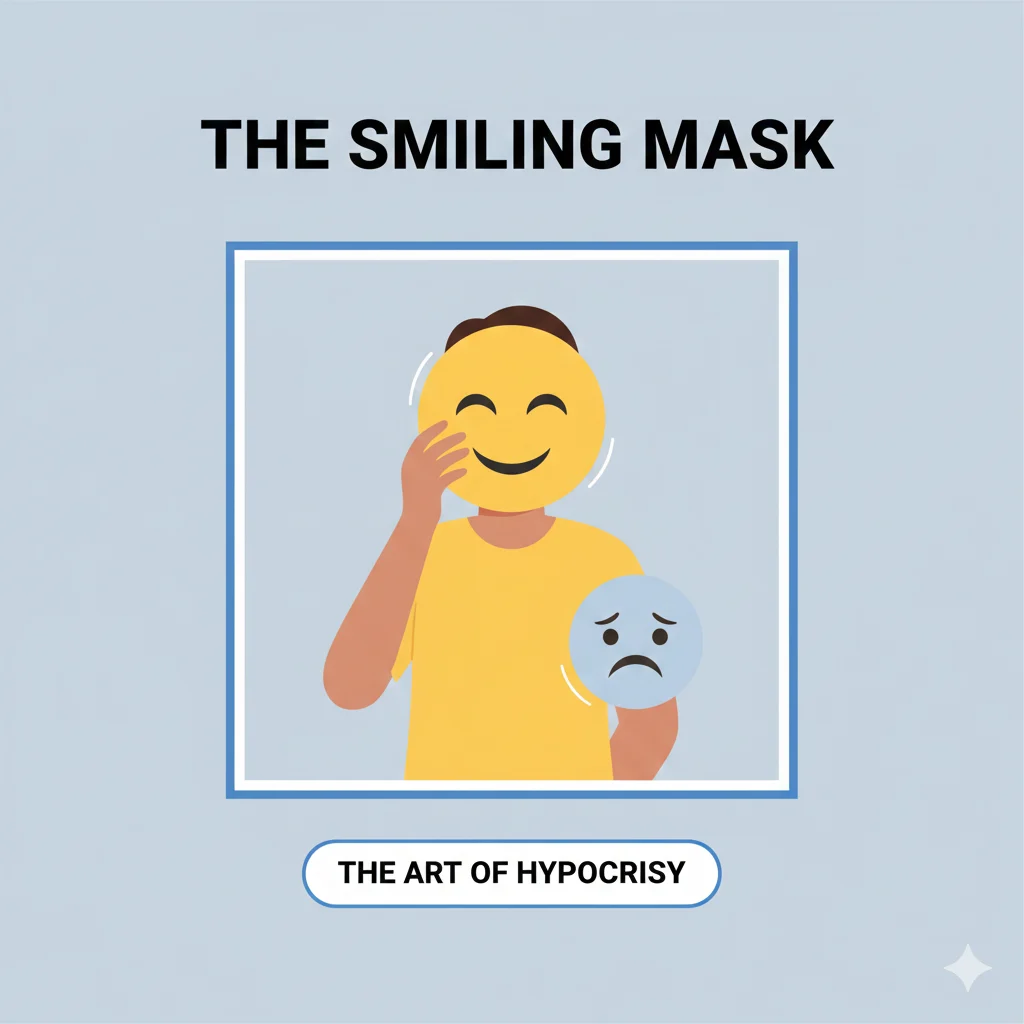
Wear a Mask
Word-by-word meaning:
- Wear = put on
- Mask = disguise
Idiomatic meaning:
To hide one’s real personality.
Example sentences:
- He wears a mask at work.
- Not everyone is honest about who they are.
Common error:
❌ Taking it literally
Usage note:
Common in emotional contexts.
Fake It Till You Make It
Word-by-word meaning:
- Fake = pretend
- Make it = succeed
Idiomatic meaning:
Pretending confidence while lacking honesty (can imply hypocrisy).
Example sentences:
- Sometimes this advice crosses into hypocrisy.
- Confidence is good, dishonesty isn’t.
Common error:
❌ Always viewing it positively
Usage note:
Context decides meaning.
Janus-Faced
Word-by-word meaning:
- Janus = two-faced Roman god
- Faced = appearance
Idiomatic meaning:
Showing two opposing behaviors.
Example sentences:
- Politics can be Janus-faced.
- His kindness felt fake.
Common error:
❌ Mispronunciation
Usage note:
Advanced vocabulary.
Crocodile Tears
Word-by-word meaning:
- Crocodile = animal
- Tears = crying
Idiomatic meaning:
Fake sadness or sympathy.
Example sentences:
- She cried crocodile tears.
- No one believed him.
Common error:
❌ Using for real emotion
Usage note:
Very common idiom.
Smoke and Mirrors
Word-by-word meaning:
- Smoke = confusion
- Mirrors = illusion
Idiomatic meaning:
Deceptive appearances hiding the truth.
Example sentences:
- The apology was smoke and mirrors.
- Nothing changed.
Common error:
❌ Using for magic tricks only
Usage note:
Popular in media and politics.
A Double-Dealer
Word-by-word meaning:
- Double = two
- Dealer = actor
Idiomatic meaning:
Someone who acts dishonestly behind the scenes.
Example sentences:
- He’s a known double-dealer.
- Trust was broken.
Common error:
❌ Confusing with gambling terms
Usage note:
Formal and old-fashioned.
Hypocrite in Plain Sight
Word-by-word meaning:
- Hypocrite = fake moral person
- Plain sight = obvious
Idiomatic meaning:
Someone openly behaving hypocritically.
Example sentences:
- Everyone saw the hypocrite in plain sight.
- No one spoke up.
Common error:
❌ Overusing as a phrase
Usage note:
Descriptive and contextual.
Preaching Water, Drinking Wine
Word-by-word meaning:
- Preaching water = advising simplicity
- Drinking wine = enjoying luxury
Idiomatic meaning:
Advising restraint while enjoying excess.
Example sentences:
- He’s preaching water, drinking wine.
- Actions don’t match words.
Common error:
❌ Translating literally
Usage note:
Common in moral discussions.
FAQs About Idioms for Hypocrisy
Q1. What are idioms for hypocrisy?
Idioms for hypocrisy describe behavior where words and actions don’t match.
Q2. Are these idioms formal or informal?
Most are conversational, but some fit formal writing.
Q3. Can learners use these idioms safely?
Yes, with context and awareness of tone.
Q4. Are hypocrisy idioms negative?
Usually yes—they criticize behavior.
Q5. How can I remember them easily?
Learn them with real-life examples and practice sentences.
Conclusion
Understanding idioms for hypocrisy helps you recognize dishonest behavior and express ideas more naturally in English. Practice using these idioms in conversations, writing, and real-life situations to sound more fluent and confident. Start with one or two idioms today—and watch your vocabulary grow.

Anita Brookner, author at SeekIdiom, shares easy explanations of English idioms with examples to help learners expand vocabulary and speak more confidently.