Medicine idioms are everywhere in daily English—from conversations at work to social media captions. If you’ve ever heard someone say “a bitter pill to swallow” and felt confused, this guide is for you.
In this article, you’ll learn famous medicine idioms, explained step by step with meanings, examples, and common mistakes—so you can use them confidently in real life.
Why Learn Medicine Idioms?
Medicine idioms help you:
- Sound more natural and fluent
- Understand native speakers easily
- Express emotions, problems, and solutions clearly
Let’s dive in 💊
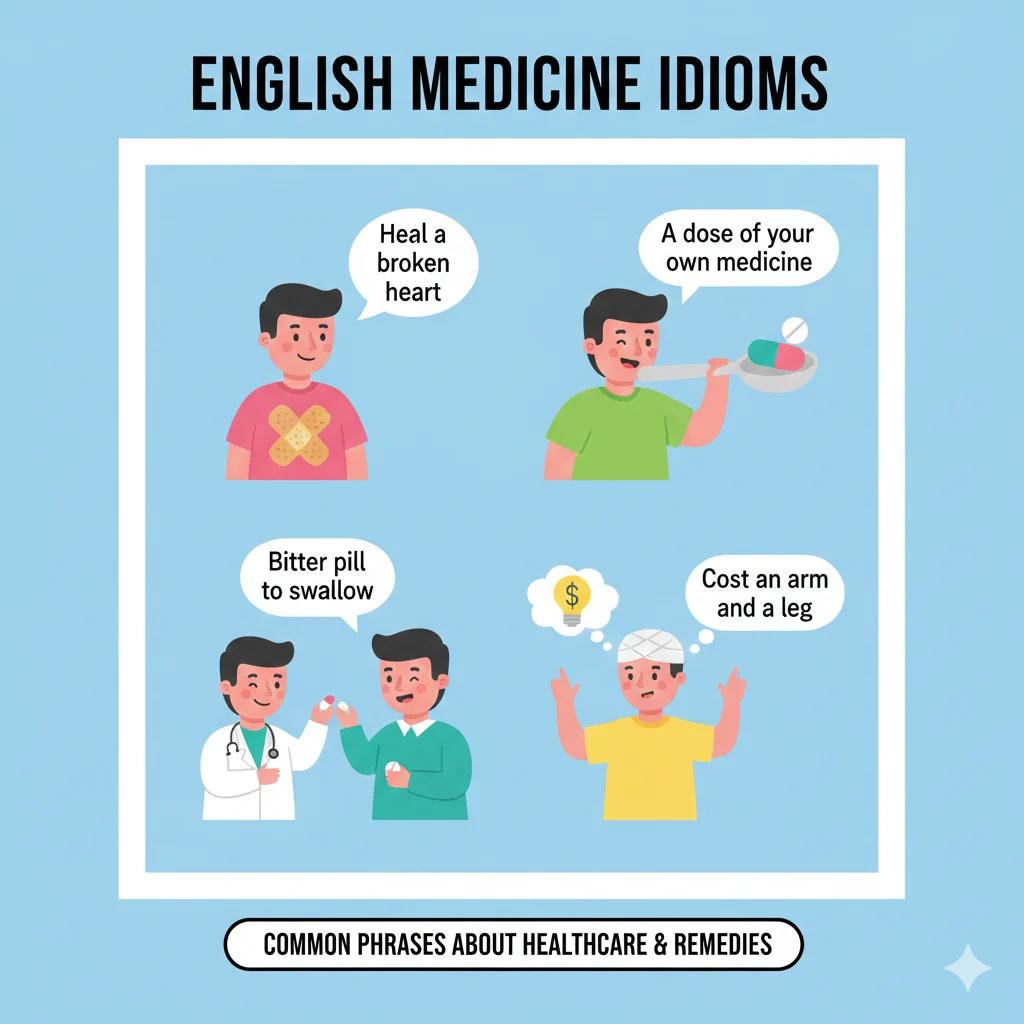
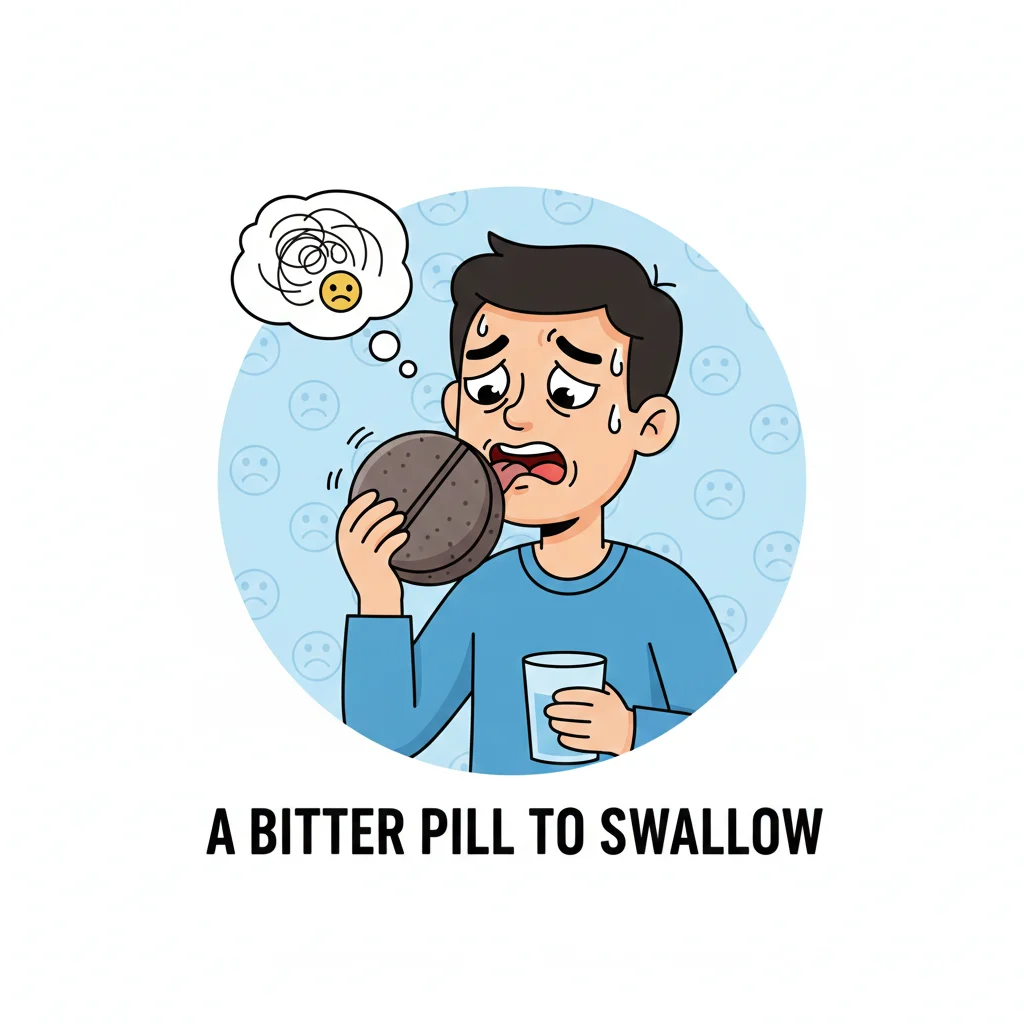
A Bitter Pill to Swallow
Word-by-word meaning:
A pill that tastes bad.
Idiomatic meaning:
A difficult or unpleasant truth to accept.
Example sentences:
- Losing the match was a bitter pill to swallow.
- It was hard news, but she accepted the bitter pill.
Common error:
❌ Saying it for physical medicine only
✔️ Use it for emotional or mental situations
Usage note:
Often used with news, failure, or disappointment.
Take Your Medicine
Word-by-word meaning:
Consume prescribed drugs.
Idiomatic meaning:
Accept punishment or consequences.
Example sentences:
- He broke the rules, now he must take his medicine.
- Admit your mistake and take your medicine.
Common error:
❌ Using it for advice
✔️ Use it for consequences
Usage note:
Informal and often slightly strict in tone.
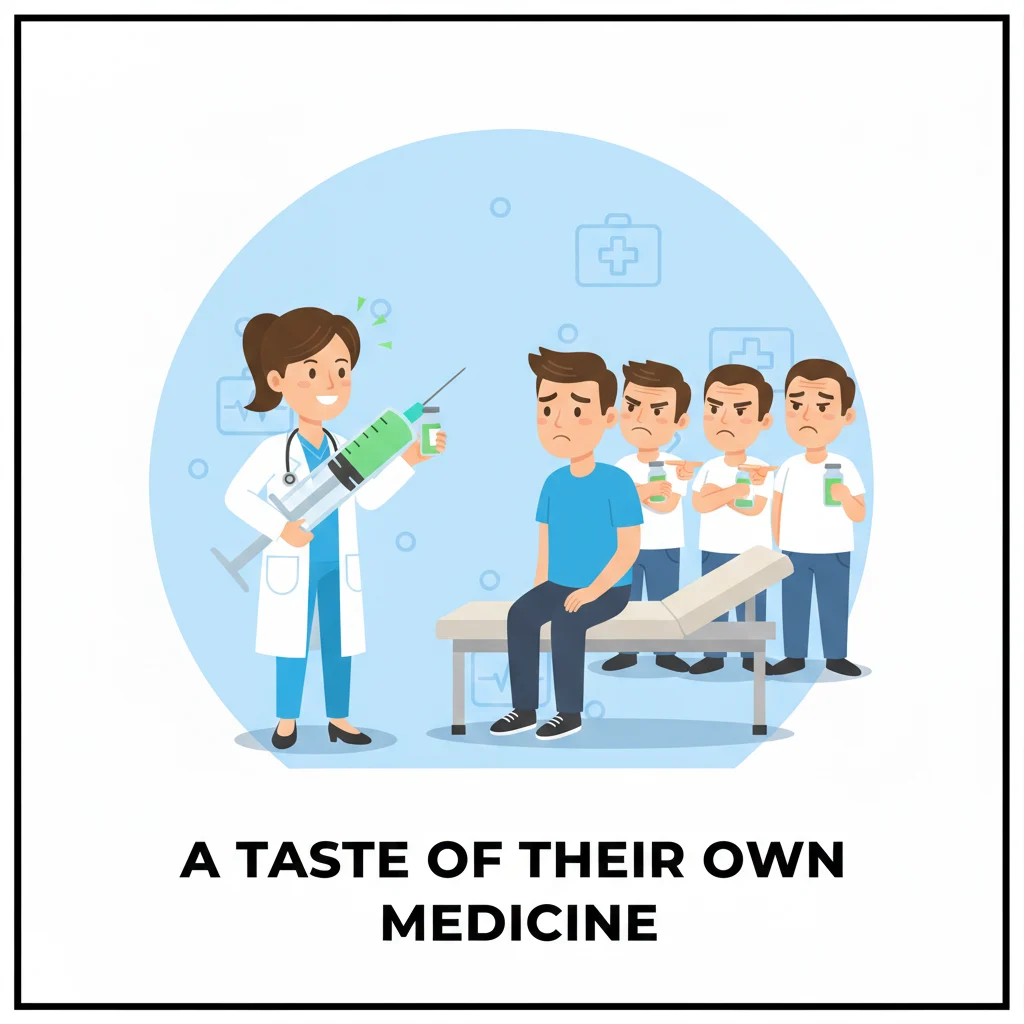
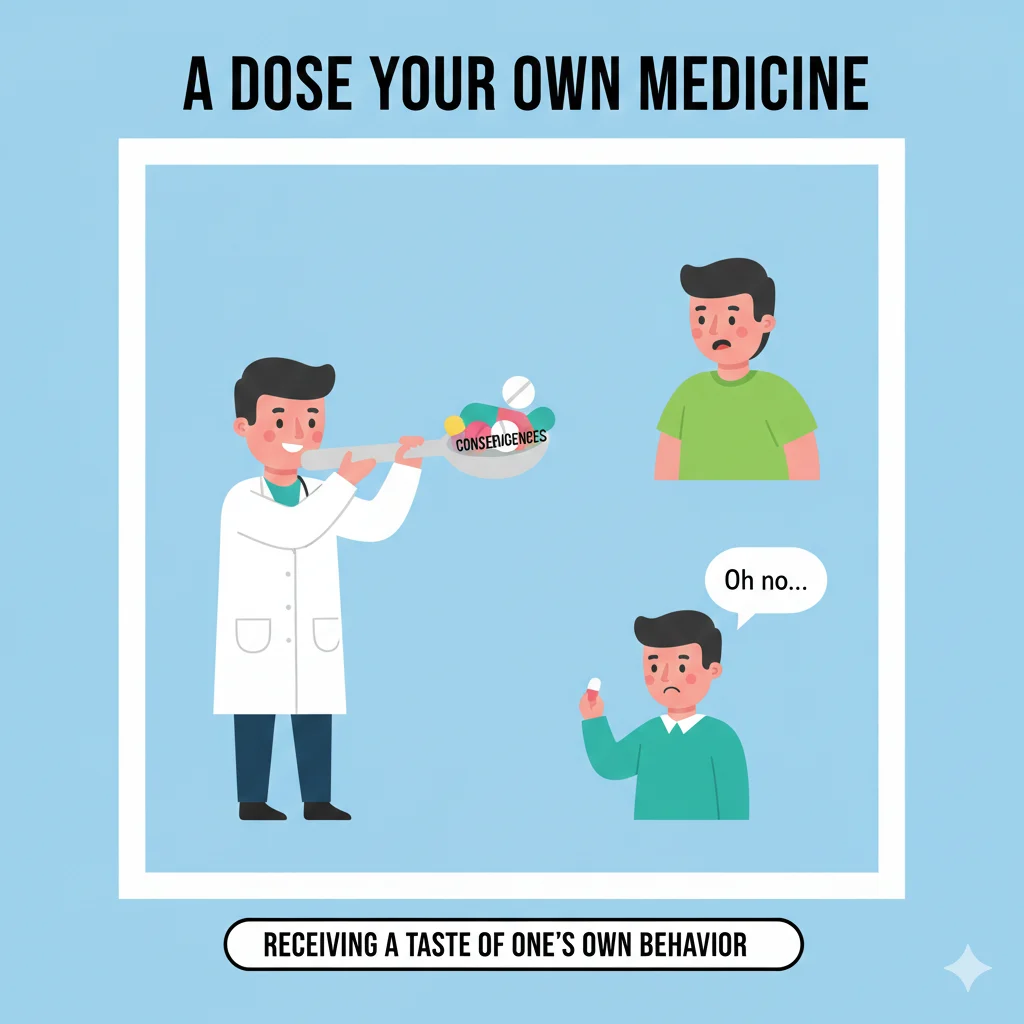
A Dose of Your Own Medicine
Word-by-word meaning:
Taking the same medicine you gave others.
Idiomatic meaning:
Being treated the same bad way you treated others.
Example sentences:
- He cheated others, now he got a dose of his own medicine.
- She finally tasted her own medicine.
Common error:
❌ Using it positively
✔️ Mostly negative or ironic
Usage note:
Great for storytelling and sarcasm.
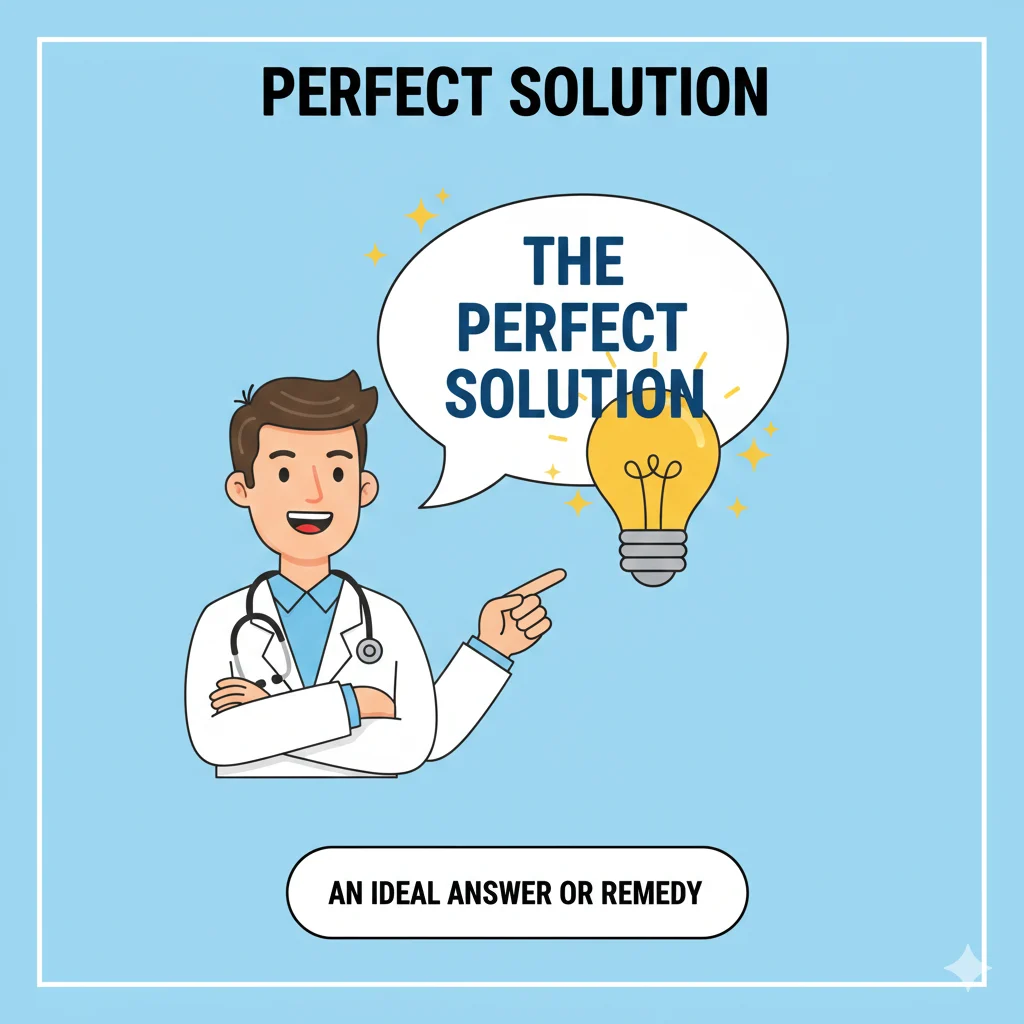
Just What the Doctor Ordered
Word-by-word meaning:
Exactly what a doctor prescribed.
Idiomatic meaning:
Exactly what was needed.
Example sentences:
- A short vacation was just what the doctor ordered.
- This rain is just what the crops needed.
Common error:
❌ Only for health
✔️ Use for situations, emotions, or needs
Usage note:
Very common in casual conversation.
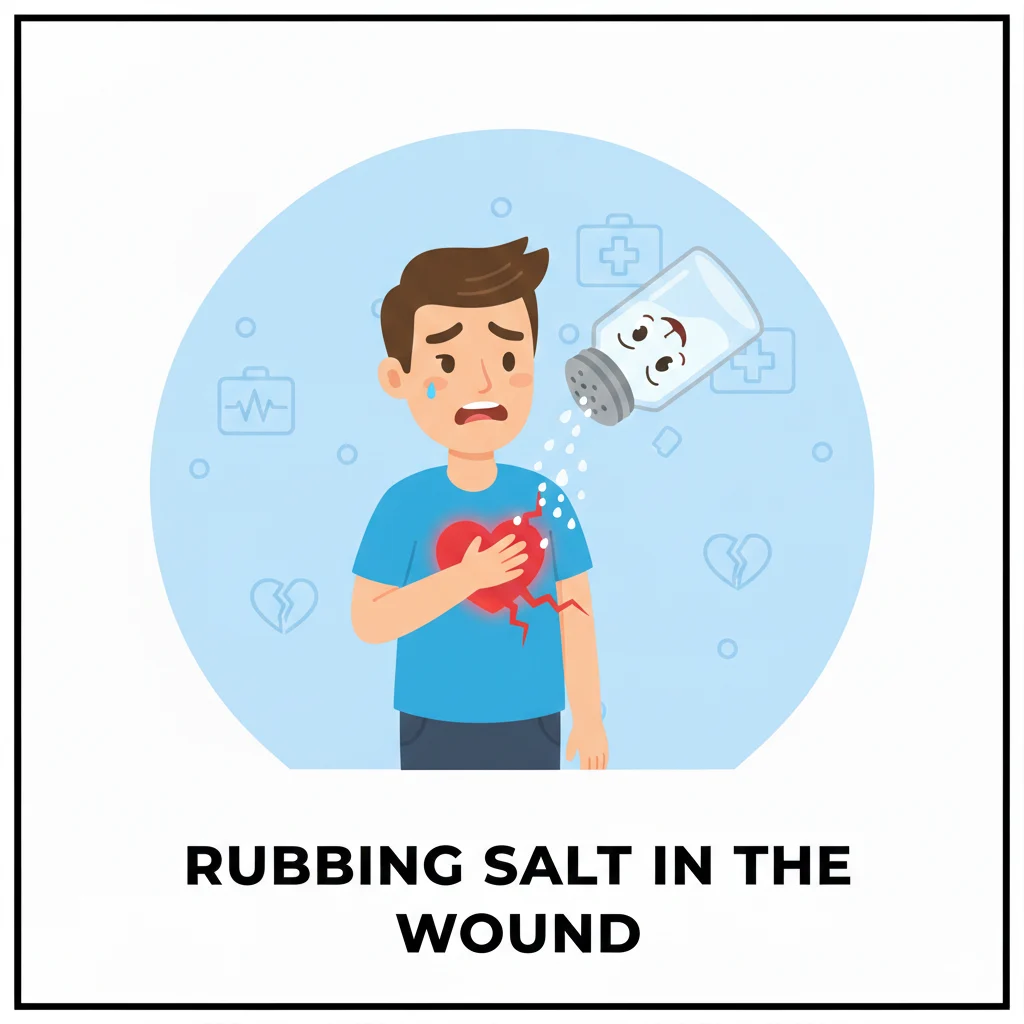
Rub Salt in the Wound
Word-by-word meaning:
Adding salt to an open wound.
Idiomatic meaning:
Making a bad situation worse.
Example sentences:
- Laughing at him only rubbed salt in the wound.
- Her comment added salt to the wound.
Common error:
❌ Using it for accidental actions
✔️ Usually intentional or careless acts
Usage note:
Strong emotional idiom.
An Apple a Day Keeps the Doctor Away
Word-by-word meaning:
Eating apples prevents doctor visits.
Idiomatic meaning:
Healthy habits prevent illness.
Example sentences:
- She exercises daily—an apple a day keeps the doctor away.
- Good diet follows the apple-a-day rule.
Common error:
❌ Taking it literally
✔️ It’s a proverb
Usage note:
Popular in health-related discussions.
Under the Weather
Word-by-word meaning:
Affected by bad weather.
Idiomatic meaning:
Feeling slightly sick.
Example sentences:
- I’m feeling under the weather today.
- She stayed home because she felt under the weather.
Common error:
❌ Using for serious illness
✔️ Use for mild sickness
Usage note:
Very common in spoken English.
Sick as a Dog
Word-by-word meaning:
As sick as an animal.
Idiomatic meaning:
Very ill.
Example sentences:
- He was sick as a dog all weekend.
- She felt sick as a dog after the trip.
Common error:
❌ Using it politely
✔️ Informal expression
Usage note:
Avoid in formal writing.
Prevention Is Better Than Cure
Word-by-word meaning:
Avoiding illness is better than treating it.
Idiomatic meaning:
It’s better to stop problems early.
Example sentences:
- Saving money early proves prevention is better than cure.
- Wear helmets—prevention beats cure.
Common error:
❌ Only for medicine
✔️ Works in life advice too
Usage note:
Common proverb.
Pull Through
Word-by-word meaning:
Come out from difficulty.
Idiomatic meaning:
Recover from illness or hardship.
Example sentences:
- Doctors hope he will pull through.
- She pulled through a tough time.
Common error:
❌ Using for instant recovery
✔️ Often slow recovery
Usage note:
Emotional and hopeful tone.
Go Under the Knife
Word-by-word meaning:
Be cut by a knife.
Idiomatic meaning:
Have surgery.
Example sentences:
- He went under the knife last week.
- She may need to go under the knife.
Common error:
❌ Using it violently
✔️ Only for surgery
Usage note:
Informal but common.
On the Mend
Word-by-word meaning:
Repairing something.
Idiomatic meaning:
Recovering from illness.
Example sentences:
- She’s on the mend now.
- His health is finally on the mend.
Common error:
❌ Using before improvement
✔️ Use when recovery starts
Usage note:
Positive and reassuring.
A Clean Bill of Health
Word-by-word meaning:
Doctor says everything is fine.
Idiomatic meaning:
Free from problems.
Example sentences:
- The doctor gave him a clean bill of health.
- The company received a clean bill of health.
Common error:
❌ Only for humans
✔️ Can be for systems or plans
Usage note:
Formal-friendly idiom.
A Shot in the Arm
Word-by-word meaning:
Injection.
Idiomatic meaning:
A boost or motivation.
Example sentences:
- The bonus was a shot in the arm for workers.
- Good news gave her a shot in the arm.
Common error:
❌ Confusing with real injections
✔️ Mostly metaphorical
Usage note:
Motivational tone.
Time Is the Best Healer
Word-by-word meaning:
Time cures pain.
Idiomatic meaning:
Emotional pain fades with time.
Example sentences:
- After heartbreak, time is the best healer.
- Loss hurts, but time heals.
Common error:
❌ Expecting quick results
✔️ Emphasizes patience
Usage note:
Emotional and reflective.
Medical Miracle
Word-by-word meaning:
Unexpected medical success.
Idiomatic meaning:
Something surprisingly successful.
Example sentences:
- His recovery was a medical miracle.
- The project’s success felt like a miracle.
Common error:
❌ Overusing casually
✔️ Use for big impact
Usage note:
Strong positive idiom.
Catch One’s Breath
Word-by-word meaning:
Breathe normally again.
Idiomatic meaning:
Take a break or recover.
Example sentences:
- I need to catch my breath.
- She paused to catch her breath.
Common error:
❌ Only physical use
✔️ Also mental breaks
Usage note:
Very flexible idiom.
Nurse Someone Back to Health
Word-by-word meaning:
Care for someone medically.
Idiomatic meaning:
Help someone recover.
Example sentences:
- She nursed him back to health.
- Family support helped him recover.
Common error:
❌ Only for nurses
✔️ Anyone can do it
Usage note:
Warm, caring expression.
A Band-Aid Solution
Word-by-word meaning:
Using a bandage.
Idiomatic meaning:
Temporary fix, not permanent.
Example sentences:
- This law is a band-aid solution.
- Quick fixes won’t last.
Common error:
❌ Using positively
✔️ Often critical
Usage note:
Great for analysis writing.
Healing Touch
Word-by-word meaning:
Touch that heals.
Idiomatic meaning:
Kind actions that comfort.
Example sentences:
- Her words had a healing touch.
- Music has a healing touch.
Common error:
❌ Taking it literally
✔️ Emotional usage
Usage note:
Poetic and emotional.
FAQs About Medicine Idioms
Q1: What are medicine idioms?
Medicine idioms are expressions using medical terms to explain everyday situations and emotions.
Q2: Are medicine idioms formal?
Most are informal, but some fit formal writing too.
Q3: Can learners use medicine idioms in exams?
Yes, but only when context fits naturally.
Q4: Are medicine idioms common in spoken English?
Very common—especially in daily conversations.
Conclusion: Practice Medicine Idioms Daily 💡
Medicine idioms add color, emotion, and fluency to your English. Start by using 2–3 idioms in daily conversations or writing. With practice, they’ll feel natural—just like real medicine helps healing over time.
👉 Tip: Write one sentence daily using a new idiom.

“Angela Carter, author at SeekIdiom, explains English idioms with clear meanings, examples, and usage to help learners improve vocabulary and communication.”