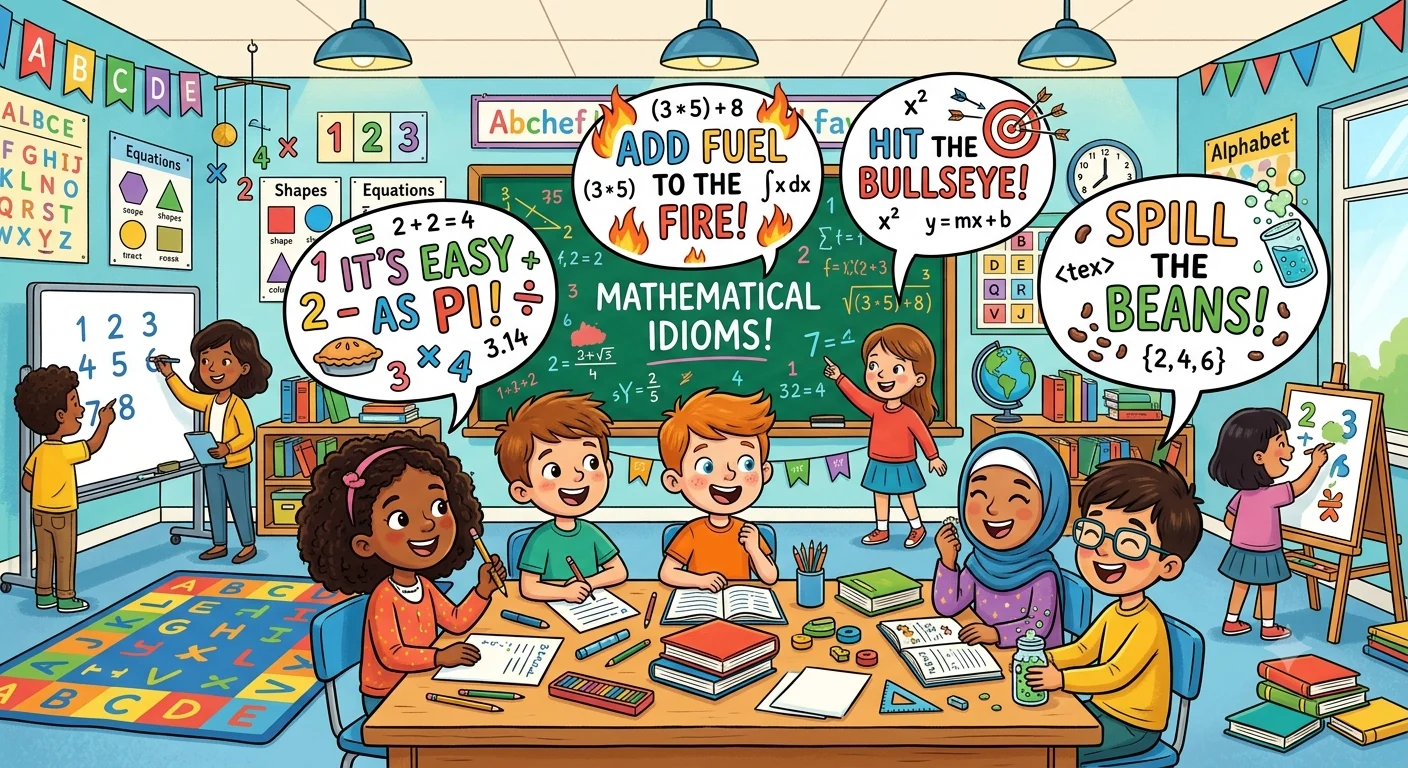
Ever heard someone say, “It all adds up” or “Don’t divide your attention”? These are math idioms, expressions inspired by numbers and math concepts. Using them can make your English sound more natural, clever, and engaging. In this article, we’ll explore 20 of the most famous math idioms, including their meanings, examples, and common mistakes so you can use them confidently.
Add Fuel to the Fire
Word-by-word meaning:
- Add = increase
- Fuel = something that powers fire
- Fire = literal fire
Idiomatic meaning:
- To make a bad situation worse.

Example sentences:
- “When she complained loudly, it just added fuel to the fire.”
Common error:
- Saying “add fuel on fire” — incorrect preposition.
Usage note:
- Often used in arguments or tense situations.
The Numbers Don’t Lie
Word-by-word meaning:
- Numbers = figures or statistics
- Don’t lie = are truthful
Idiomatic meaning:
- Facts or data are reliable and show the truth.

Example sentences:
- “We may debate, but the numbers don’t lie — sales have increased.”
Common error:
- Using “the numbers aren’t lying” — awkward and not idiomatic.
Usage note:
- Use in business, science, or data discussions.
Add Up
Word-by-word meaning:
- Add = sum together
- Up = complete
Idiomatic meaning:
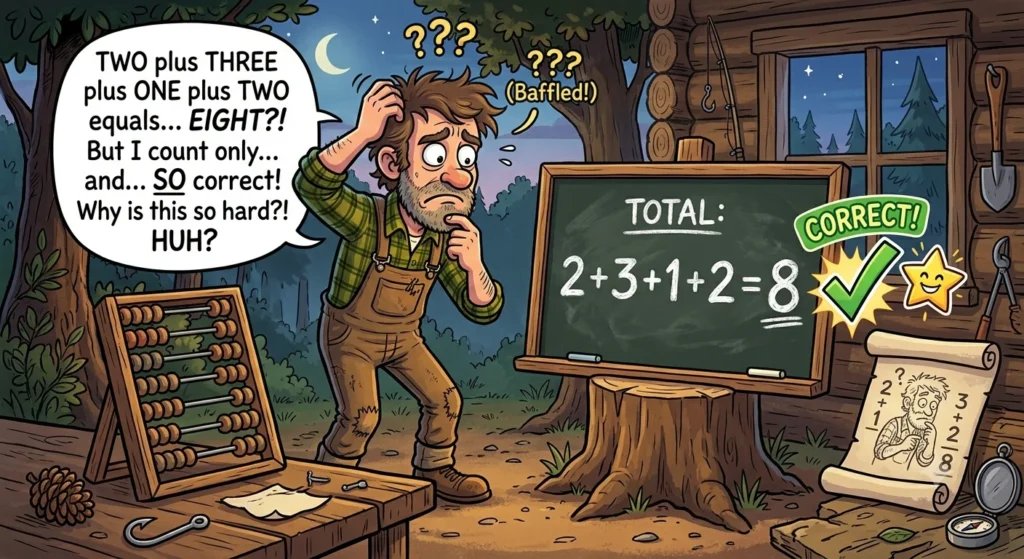
- To make sense or be logical.
Example sentences:
- “Her explanation doesn’t add up; something is missing.”
Common error:
- “It don’t add up” — grammatically incorrect.
Usage note:
- Common in everyday problem-solving or analysis.
Divide and Conquer
Word-by-word meaning:
- Divide = split into parts
- Conquer = gain control
Idiomatic meaning:
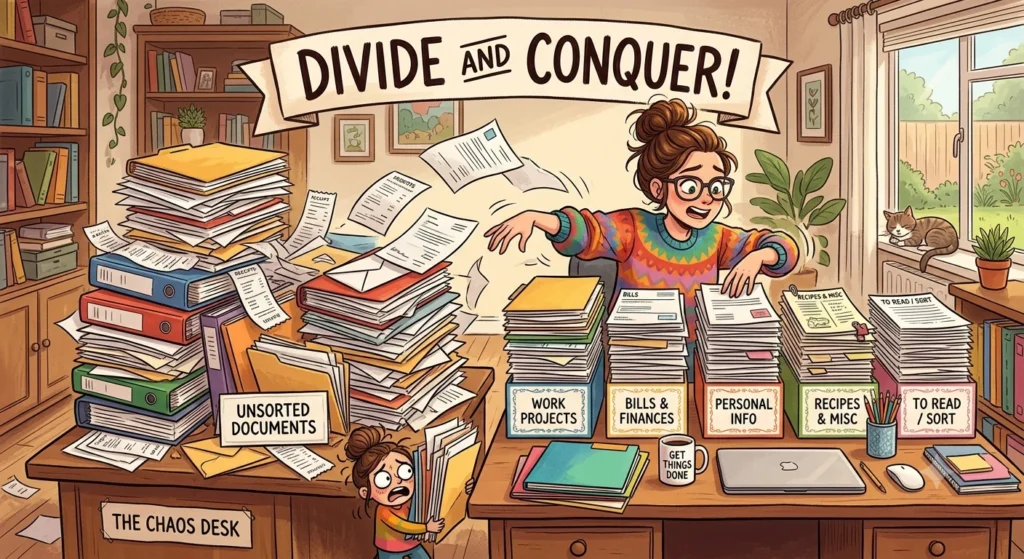
- To manage a large problem by breaking it into smaller parts.
Example sentences:
- “She divided and conquered her messy inbox by tackling one folder at a time.”
Common error:
- Misinterpreting as “physically divide people to fight” — wrong context.
Usage note:
- Common in strategy, work management, or military discussions.
At Odds
Word-by-word meaning:
- Odds = likelihood or chance
- At odds = opposing
Idiomatic meaning:
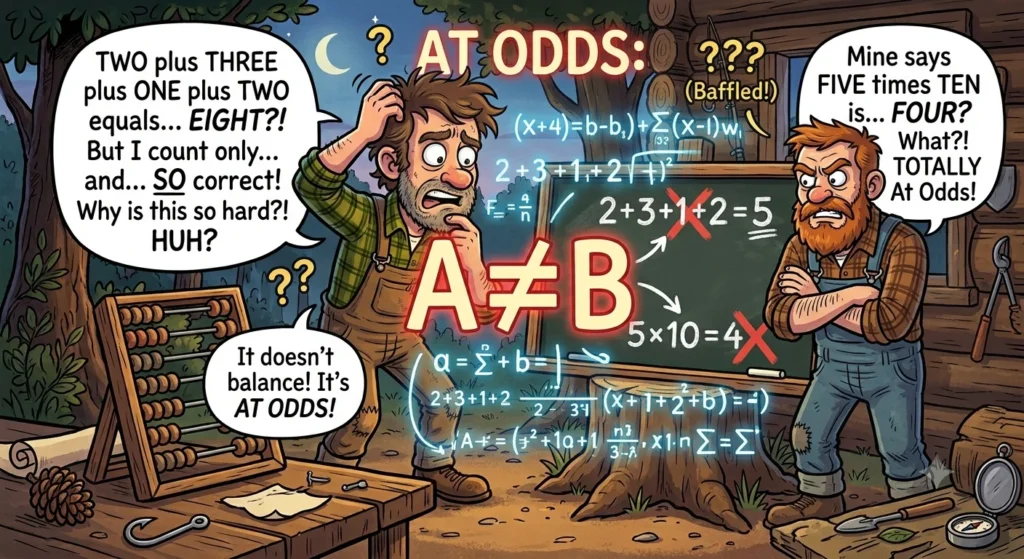
- To disagree or be in conflict.
Example sentences:
- “They are at odds over the project timeline.”
Common error:
- Using “on odds” instead of “at odds.”
Usage note:
- Formal and informal conversations; often with people, ideas, or opinions.
By the Numbers
Word-by-word meaning:
- By = according to
- Numbers = steps or rules
Idiomatic meaning:
- Following rules or instructions exactly.
Example sentences:
- “He cooked the recipe by the numbers and it turned out perfect.”
Common error:
- Saying “according numbers” — incorrect.
Usage note:
- Often used in instructions, manuals, or strict procedures.
In the Same Boat
Word-by-word meaning:
- Same = identical
- Boat = small vessel
Idiomatic meaning:
- Sharing the same situation or problem with others.
Example sentences:
- “We’re all in the same boat regarding the exam.”
Common error:
- Confusing with “on the same ship” — less common.
Usage note:
- Use for empathy or shared experiences.
Odd One Out
Word-by-word meaning:
- Odd = unusual
- One out = the single item different from others
Idiomatic meaning:
- Something or someone that is different from the rest.
Example sentences:
- “He felt like the odd one out in a team of experienced workers.”
Common error:
- Saying “different one out” — non-idiomatic.
Usage note:
- Common in tests, games, or describing uniqueness.
The Whole Nine Yards
Word-by-word meaning:
- Whole = entire
- Nine yards = full measure
Idiomatic meaning:
- Everything; the full extent.
Example sentences:
- “She went the whole nine yards for her birthday party.”
Common error:
- Misusing as “whole nine meters” — literal translation fails.
Usage note:
- Informal, enthusiastic expression.
Bottom Line
Word-by-word meaning:
- Bottom = lower part
- Line = final statement
Idiomatic meaning:
- The most important point or outcome.
Example sentences:
- “The bottom line is we need more time to finish the project.”
Common error:
- Confusing with “line at bottom” — literal and incorrect.
Usage note:
- Great for summarizing key points in business or discussion.
Cut Corners
Word-by-word meaning:
- Cut = reduce
- Corners = edges
Idiomatic meaning:
- To do something quickly or cheaply, often skipping steps.
Example sentences:
- “Don’t cut corners when baking; follow the recipe.”
Common error:
- Saying “skip corners” — incorrect idiomatic expression.
Usage note:
- Often negative; implies poor quality or laziness.
Back to Square One
Word-by-word meaning:
- Back = return
- Square one = starting point
Idiomatic meaning:
- To start over after a failure.
Example sentences:
- “After the deal fell through, we were back to square one.”
Common error:
- Saying “back to one square” — literal translation.
Usage note:
- Informal; used for setbacks or projects.
Two Cents
Word-by-word meaning:
- Two = number
- Cents = coins
Idiomatic meaning:
- Your personal opinion or input.
Example sentences:
- “Here’s my two cents on the new policy.”
Common error:
- Saying “my two pennies” — not idiomatic.
Usage note:
- Informal; friendly conversations or forums.
Multiply Your Efforts
Word-by-word meaning:
- Multiply = increase
- Efforts = attempts or work
Idiomatic meaning:
- Work harder to achieve more.
Example sentences:
- “If you want to succeed, you need to multiply your efforts.”
Common error:
- Saying “increase efforts times” — awkward and incorrect.
Usage note:
- Motivational or work-related context.
Divide Attention
Word-by-word meaning:
- Divide = split
- Attention = focus
Idiomatic meaning:
- Focus on multiple things at once.
Example sentences:
- “She divided her attention between work and studies.”
Common error:
- Saying “split attention” — technically correct but less idiomatic.
Usage note:
- Common in multitasking or study tips.
Count On
Word-by-word meaning:
- Count = calculate or rely
- On = preposition indicating trust
Idiomatic meaning:
- To rely on or trust someone.
Example sentences:
- “You can always count on her to help.”
Common error:
- Saying “count with” — wrong preposition.
Usage note:
- Everyday conversations, informal and formal.
Beyond Measure
Word-by-word meaning:
- Beyond = exceeding
- Measure = limit
Idiomatic meaning:
- Extremely; very much.
Example sentences:
- “He was kind beyond measure.”
Common error:
- Saying “above measure” — literal but not idiomatic.
Usage note:
- Formal writing, compliments, or praises.
Back to Basics
Word-by-word meaning:
- Back = return
- Basics = fundamentals
Idiomatic meaning:
- Return to fundamental principles.
Example sentences:
- “The course helps students get back to basics in math.”
Common error:
- Saying “return basics” — non-idiomatic.
Usage note:
- Education, work, or personal improvement contexts.
On the Level
Word-by-word meaning:
- On = position
- Level = even, fair
Idiomatic meaning:
- Honest or truthful.
Example sentences:
- “I can assure you he is on the level.”
Common error:
- Saying “at the level” — not idiomatic.
Usage note:
- Formal and informal use; assures honesty.
Take a Leaf Out of Someone’s Book
Word-by-word meaning:
- Leaf = page
- Book = literal book
Idiomatic meaning:
- Imitate or learn from someone’s example.
Example sentences:
- “She took a leaf out of her mentor’s book and improved her skills.”
Common error:
- Saying “take page from book” — literal, not idiomatic.
Usage note:
- Used in advice, mentoring, or self-improvement contexts.
FAQs About Math Idioms
Q1: Are math idioms only used in math contexts?
A: No, they’re used in everyday English to express ideas metaphorically.
Q2: How can I remember these idioms easily?
A: Connect them to real-life examples or stories for better memory retention.
Q3: Can I use math idioms in writing essays?
A: Absolutely! They add color, clarity, and creativity to your writing.
Q4: Are these idioms formal or informal?
A: Most are informal or neutral; some like “bottom line” are suitable for business.
Q5: How do I use math idioms naturally in conversation?
A: Start with 1–2 idioms daily. Repeat in real-life situations and gradually increase.
Conclusion
Math idioms make your English more expressive, clever, and memorable. Pick a few, practice them in conversations, and soon you’ll naturally add up your language skills! Start small, experiment, and watch your vocabulary grow.

Hazel Monroe, author at SeekIdiom, explains English idioms through simple meanings and examples, helping learners improve vocabulary and everyday usage.