
Ever heard someone say a project is on the back burner or a system needs a reboot? Tech idioms are everywhere in modern English—especially in work, studies, and daily conversations. In this guide, you’ll learn the most famous technology idioms with simple explanations and real-life examples you can actually use.
Why Learning Tech Idioms Matters
Technology shapes how we speak. Understanding tech idioms helps you:
- Sound more natural in English
- Understand workplace and online conversations
- Improve writing, speaking, and exams
On the Same Page
Word-by-word meaning: Reading the same page
Idiomatic meaning: Agreeing or understanding the same thing

Example sentence: Let’s discuss the plan so everyone is on the same page.
Common error: Using it for physical reading only
Usage note: Common in meetings and teamwork
Reboot
Word-by-word meaning: Restart a device
Idiomatic meaning: Start fresh or rethink something

Example sentence: I took a break to reboot my mind.
Common error: Using it only for computers
Usage note: Often used for life or career changes
Back to the Drawing Board
Word-by-word meaning: Return to design board
Idiomatic meaning: Start again after failure
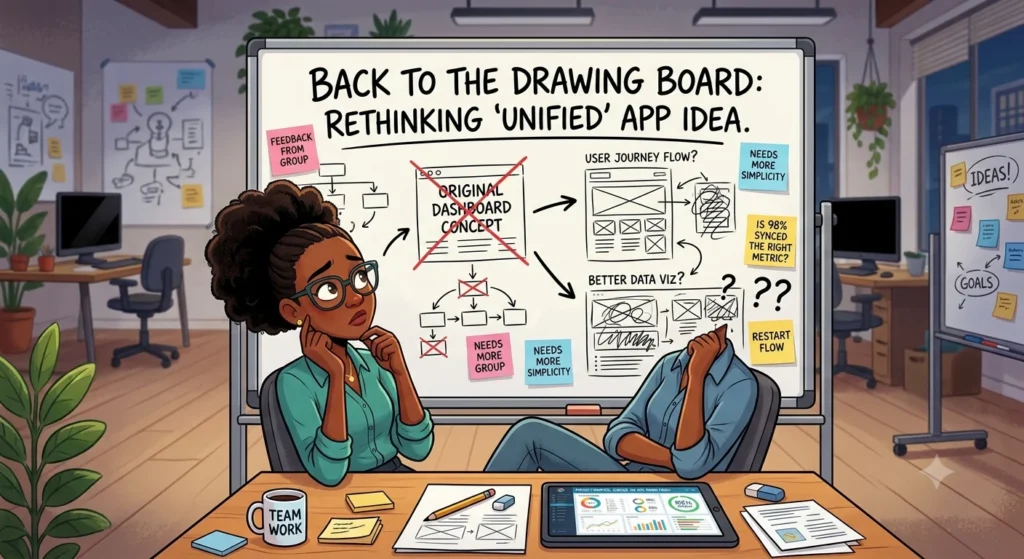
Example sentence: The app failed, so it’s back to the drawing board.
Common error: Confusing with minor changes
Usage note: Used after major setbacks
On the Back Burner
Word-by-word meaning: Stove reference
Idiomatic meaning: Low priority task

Example sentence: That update is on the back burner for now.
Common error: Thinking it means canceled
Usage note: Temporary delay, not permanent
Push the Button
Word-by-word meaning: Press a button
Idiomatic meaning: Trigger a reaction
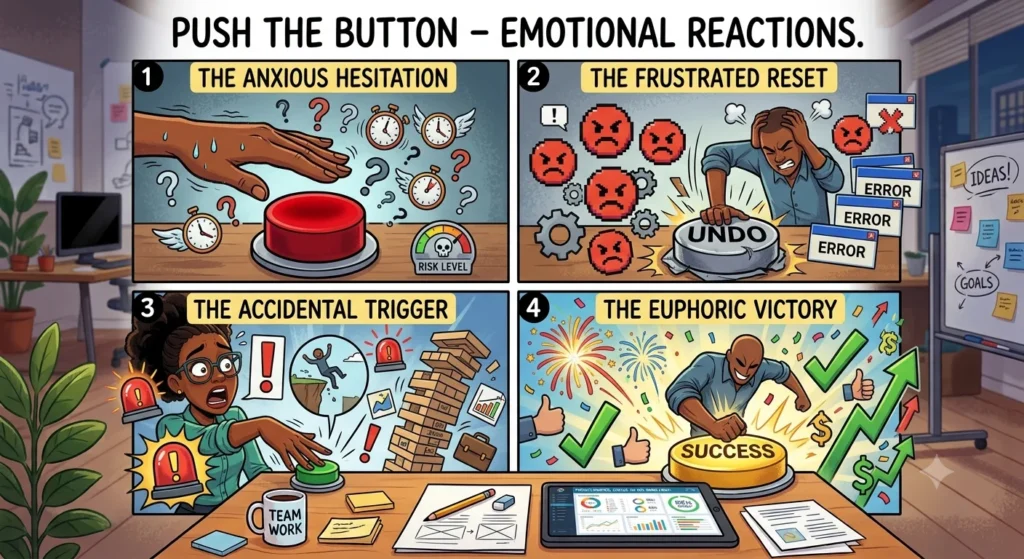
Example sentence: His comment really pushed my button.
Common error: Literal-only interpretation
Usage note: Often emotional context
In the Loop
Word-by-word meaning: Inside a circle
Idiomatic meaning: Informed or included
Example sentence: Keep me in the loop about updates.
Common error: Using with places
Usage note: Professional emails
Out of the Loop
Word-by-word meaning: Outside the circle
Idiomatic meaning: Uninformed
Example sentence: I was out of the loop on that change.
Common error: Confusing with being excluded socially
Usage note: Neutral tone
Hit the Reset Button
Word-by-word meaning: Restart system
Idiomatic meaning: Begin again
Example sentence: Let’s hit the reset button and move on.
Common error: Overusing dramatically
Usage note: Conflict resolution
Plug and Play
Word-by-word meaning: Connect and use
Idiomatic meaning: Easy to use
Example sentence: This tool is plug and play.
Common error: Using for complex systems
Usage note: Tech reviews
Upgrade
Word-by-word meaning: Improve version
Idiomatic meaning: Improve skills or lifestyle
Example sentence: She upgraded her skills last year.
Common error: Using without improvement context
Usage note: Self-development
Glitch
Word-by-word meaning: Small fault
Idiomatic meaning: Minor problem
Example sentence: There was a small glitch in the plan.
Common error: Using for serious issues
Usage note: Informal tone
Run Out of Bandwidth
Word-by-word meaning: Network capacity ends
Idiomatic meaning: No energy or time left
Example sentence: I don’t have bandwidth for extra work.
Common error: Using literally in casual talk
Usage note: Workplace slang
Download Information
Word-by-word meaning: Transfer data
Idiomatic meaning: Receive information
Example sentence: Let me download you on the plan.
Common error: Overusing humorously
Usage note: Informal conversation
Upload Thoughts
Word-by-word meaning: Send data
Idiomatic meaning: Share ideas
Example sentence: I uploaded my thoughts in the meeting.
Common error: Using in formal writing
Usage note: Casual speech
Firewall
Word-by-word meaning: Security barrier
Idiomatic meaning: Emotional or mental boundary
Example sentence: He put up a firewall after the argument.
Common error: Confusing with ignoring
Usage note: Psychological context
Bug
Word-by-word meaning: Error in system
Idiomatic meaning: Annoying problem
Example sentence: That issue has been bugging me.
Common error: Using noun/verb incorrectly
Usage note: Very common
Hardwired
Word-by-word meaning: Fixed connection
Idiomatic meaning: Deeply ingrained
Example sentence: Fear is hardwired into humans.
Common error: Using for habits only
Usage note: Science or psychology
Crash
Word-by-word meaning: System failure
Idiomatic meaning: Sudden failure or exhaustion
Example sentence: I crashed after exams.
Common error: Confusing with sleep only
Usage note: Informal
Streamline
Word-by-word meaning: Make flow smooth
Idiomatic meaning: Simplify process
Example sentence: We streamlined the workflow.
Common error: Using without action
Usage note: Business writing
Power Down
Word-by-word meaning: Turn off device
Idiomatic meaning: Rest or relax
Example sentence: I need to power down this weekend.
Common error: Using in urgent context
Usage note: Wellness tone
FAQs About Tech Idioms
Q1: What are tech idioms?
Tech idioms are expressions inspired by technology used in everyday language.
Q2: Are tech idioms formal English?
Most are informal but common in workplaces.
Q3: Can students use tech idioms in exams?
Yes, but only in informal or creative writing.
Q4: Why are tech idioms popular?
Because technology influences daily life.
Conclusion:
Mastering tech idioms makes your English modern, confident, and expressive. Start by using one new idiom each day—in messages, journaling, or conversation. The more you practice, the more natural it feels.

Adrian Wells, author at SeekIdiom, shares easy explanations of English idioms with examples to help learners expand vocabulary and speak more confidently.