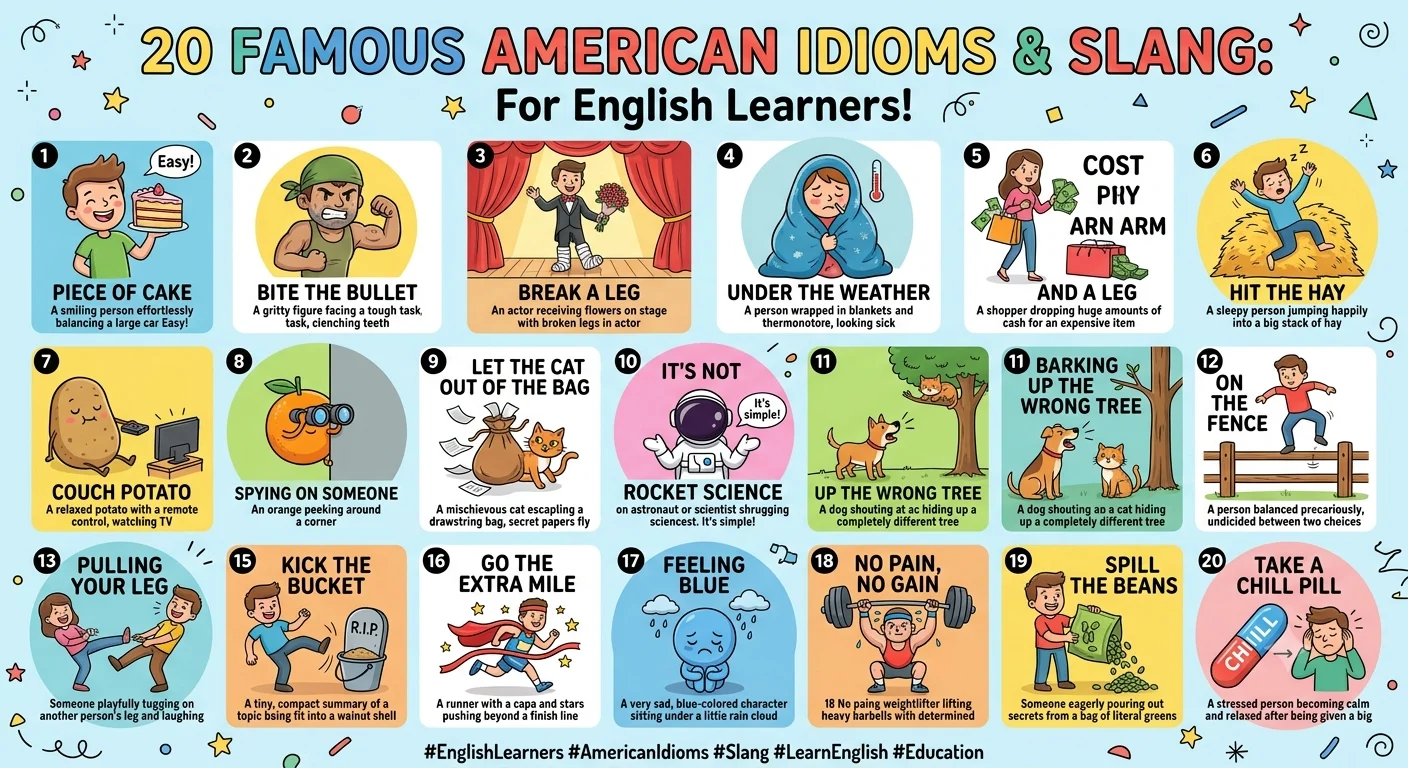
Ever heard someone say “break a leg” and wondered why they wish you harm? American idioms and slang can be confusing, but mastering them will make your English sound lively and natural. From movies to everyday conversations, these expressions pop up everywhere. Let’s explore 20 of the most famous American idioms and slang, their meanings, examples, and common mistakes.
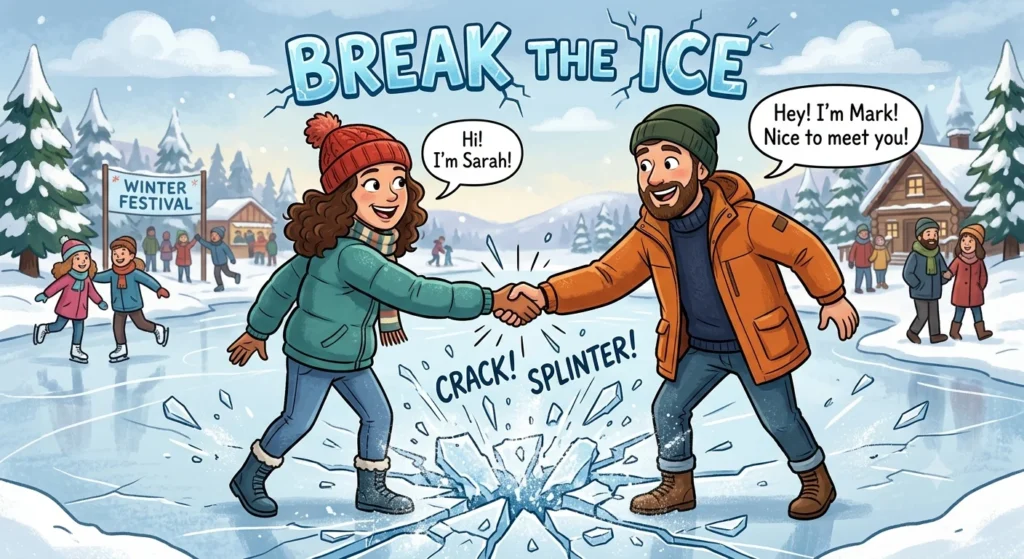
Break the Ice
Word-by-word meaning:
To physically crack ice.
Idiomatic/figurative meaning:
To start a conversation and ease tension in social situations.
Example sentences:
- “I told a funny story to break the ice at the party.”
Common error:
Using it literally for actual ice.
Usage note:
Perfect for parties, meetings, or first-time encounters.
Hit the Sack
Word-by-word meaning:
Strike a sack or bag.

Idiomatic/figurative meaning:
Go to bed or sleep.
Example sentences:
- “I’m exhausted; I’m going to hit the sack early tonight.”
Common error:
Confusing it with punching a sack physically.
Usage note:
Informal, casual use only.
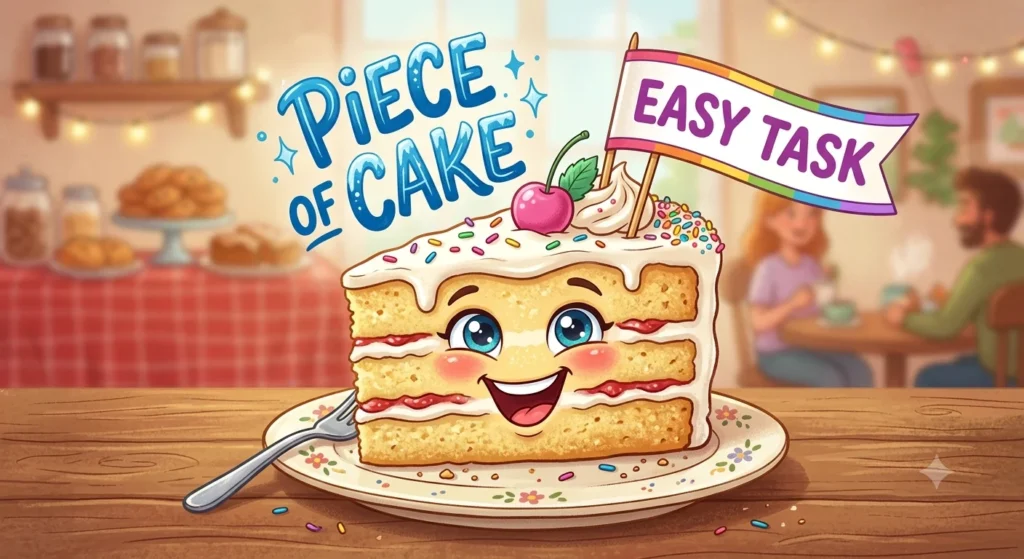
Piece of Cake
Word-by-word meaning:
A slice of dessert.
Idiomatic/figurative meaning:
Something very easy to do.
Example sentences:
- “Don’t worry about the test; it’s a piece of cake.”
Common error:
Using it for difficult tasks.
Usage note:
Used in informal conversation or casual writing.
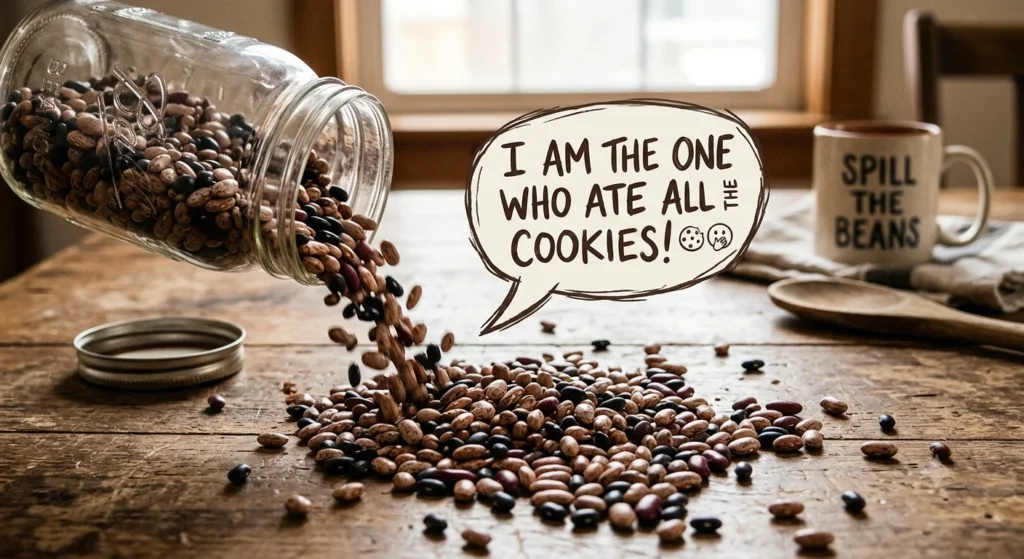
Spill the Beans
Word-by-word meaning:
Drop beans on the floor.
Idiomatic/figurative meaning:
Reveal a secret or hidden information.
Example sentences:
- “Come on, spill the beans! What did she say?”
Common error:
Taking it literally as dropping food.
Usage note:
Friendly, informal situations only.
Couch Potato
Word-by-word meaning:
A potato sitting on a couch.
Idiomatic/figurative meaning:
A person who sits around lazily, often watching TV.
Example sentences:
- “Stop being a couch potato; go outside for some fresh air!”

Common error:
Thinking it’s about vegetables or literal potatoes.
Usage note:
Humorous, casual expression.
Under the Weather
Word-by-word meaning:
Beneath the meteorological conditions.
Idiomatic/figurative meaning:
Feeling sick or unwell.
Example sentences:
- “I won’t come to the party; I’m feeling under the weather.”
Common error:
Assuming it refers to actual bad weather.
Usage note:
Polite way to describe minor illness.
Hit the Nail on the Head
Word-by-word meaning:
Strike the top of a nail.
Idiomatic/figurative meaning:
Describe something accurately.
Example sentences:
- “You hit the nail on the head with your solution.”
Common error:
Using it only for physical work.
Usage note:
Used in both casual and professional contexts.
Barking Up the Wrong Tree
Word-by-word meaning:
Dog barking at the wrong tree.
Idiomatic/figurative meaning:
Accusing the wrong person or pursuing a mistaken idea.
Example sentences:
- “If you think I stole it, you’re barking up the wrong tree.”
Common error:
Interpreting it literally with animals.
Usage note:
Mostly spoken; conveys figurative meaning.
Beat Around the Bush
Word-by-word meaning:
Avoid hitting the bush directly.
Idiomatic/figurative meaning:
Avoid talking about the main topic.
Example sentences:
- “Stop beating around the bush and get to the point.”
Common error:
Thinking it’s about physical action.
Usage note:
Informal, used in conversations to suggest directness.
Cost an Arm and a Leg
Word-by-word meaning:
Pay with limbs.
Idiomatic/figurative meaning:
Something very expensive.
Example sentences:
- “That smartphone costs an arm and a leg.”
Common error:
Taking it literally.
Usage note:
Common in shopping or describing expensive items.
Bite the Bullet
Word-by-word meaning:
Chew a bullet.
Idiomatic/figurative meaning:
Accept an unpleasant situation bravely.
Example sentences:
- “I didn’t want to go to the dentist, but I had to bite the bullet.”
Common error:
Confusing it with literally biting bullets.
Usage note:
Formal or informal; shows courage or endurance.
The Ball is in Your Court
Word-by-word meaning:
The ball is literally on your side of a tennis court.
Idiomatic/figurative meaning:
It’s your responsibility to make the next decision or move.
Example sentences:
- “I’ve done my part; now the ball is in your court.”
Common error:
Assuming it’s sports-only.
Usage note:
Used in work, discussions, or negotiations.
Cut to the Chase
Word-by-word meaning:
Skip the introduction and go to the action scene.
Idiomatic/figurative meaning:
Get straight to the point.
Example sentences:
- “Let’s cut to the chase—what exactly do you want?”
Common error:
Taking it literally about chasing.
Usage note:
Informal; great for business or casual conversations.
Let the Cat Out of the Bag
Word-by-word meaning:
Release a cat from a bag.
Idiomatic/figurative meaning:
Reveal a secret accidentally.
Example sentences:
- “She let the cat out of the bag about the surprise party.”
Common error:
Using it for literal cats.
Usage note:
Mostly used in casual, storytelling contexts.
Burn the Midnight Oil
Word-by-word meaning:
Work late at night by oil lamp.
Idiomatic/figurative meaning:
Work late into the night.
Example sentences:
- “I had to burn the midnight oil to finish my project.”
Common error:
Assuming it involves literal oil.
Usage note:
Formal and informal; often used for studying or work.
On Cloud Nine
Word-by-word meaning:
Floating on the ninth cloud.
Idiomatic/figurative meaning:
Extremely happy or joyful.
Example sentences:
- “She was on cloud nine after winning the competition.”
Common error:
Misinterpreting it literally.
Usage note:
Used for expressing excitement or happiness.
Hit the Books
Word-by-word meaning:
Physically strike books.
Idiomatic/figurative meaning:
Study intensely.
Example sentences:
- “Final exams are coming; time to hit the books.”
Common error:
Thinking it’s about physically hitting books.
Usage note:
Informal, used by students.
Kick the Bucket
Word-by-word meaning:
Kick a bucket.
Idiomatic/figurative meaning:
To die.
Example sentences:
- “The old man kicked the bucket peacefully at home.”
Common error:
Confusing it with literal buckets.
Usage note:
Informal euphemism for death.
Pull Someone’s Leg
Word-by-word meaning:
Physically tug on someone’s leg.
Idiomatic/figurative meaning:
Joke or tease someone.
Example sentences:
- “Relax, I’m just pulling your leg!”
Common error:
Interpreting literally.
Usage note:
Casual, friendly joking.
Raining Cats and Dogs
Word-by-word meaning:
Cats and dogs falling from the sky.
Idiomatic/figurative meaning:
Raining very heavily.
Example sentences:
- “Don’t go outside now—it’s raining cats and dogs.”
Common error:
Taking it literally.
Usage note:
Common in spoken English to describe heavy rain.
FAQs about American Idioms and Slang
Q1: How can I remember idioms effectively?
A: Practice daily, use them in conversation, and make flashcards with examples.
Q2: Can idioms be used in formal writing?
A: Usually not. Use literal phrases in essays, reports, or formal letters.
Q3: Are idioms and slang the same?
A: Slang is informal words; idioms are figurative expressions. Some overlap exists.
Q4: Do all Americans know these idioms?
A: Some are widely used; some are old-fashioned. Listening to conversations helps.
Q5: Can idioms have multiple meanings?
A: Yes, context is key for understanding the correct meaning.
Conclusion
Learning American idioms and slang brings your English to life! Start using a few each day, practice in conversations, and watch your fluency improve. Mistakes are part of learning—have fun and keep experimenting. Soon, you’ll sound like a native speaker!

Hazel Monroe, author at SeekIdiom, explains English idioms through simple meanings and examples, helping learners improve vocabulary and everyday usage.