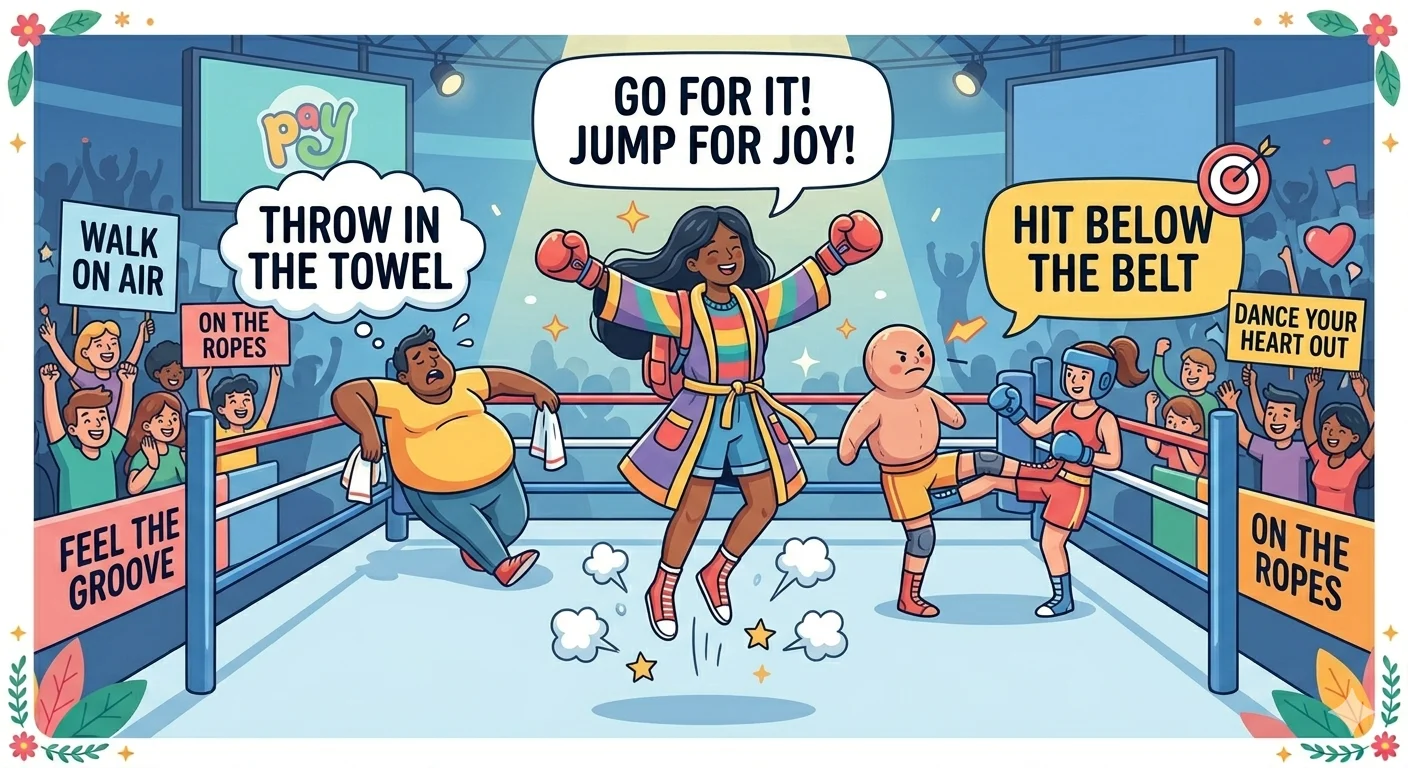
Boxing idioms are not just for the ring—they’re for life! They add color and punch to English conversations, making your expressions lively and memorable. From “throw in the towel” to “float like a butterfly, sting like a bee,” these idioms are used in business, casual conversations, and storytelling. Here’s a complete guide to 20 famous boxing idioms with examples and usage tips.
Throw in the towel
Word-by-word meaning: Toss the towel into the boxing ring to signal surrender.
Idiomatic meaning: To give up or admit defeat.
Example sentences:
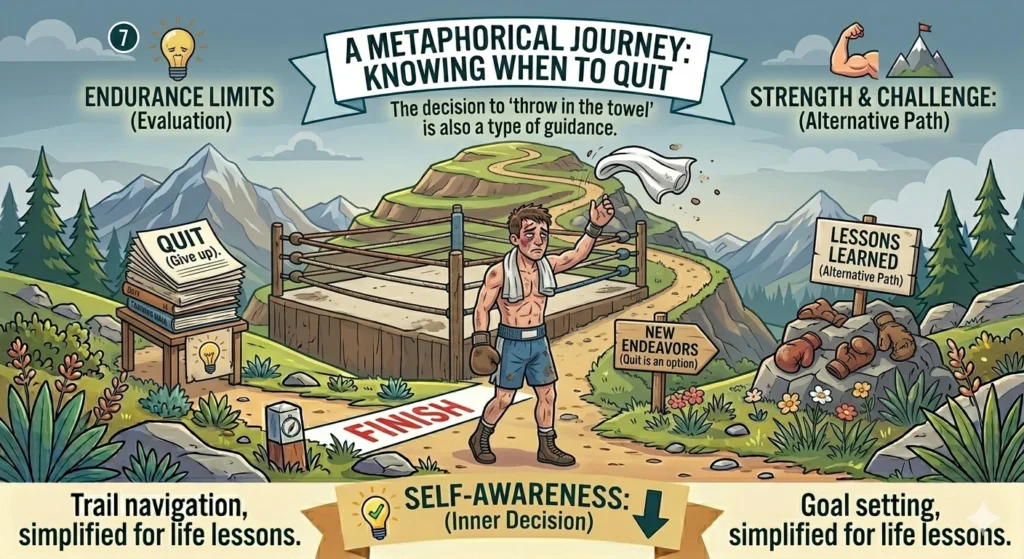
- After trying to fix the old car for weeks, he finally threw in the towel.
- She almost passed the exam but threw in the towel after failing the first test.
Common error: Using it for minor inconveniences (“I threw in the towel on cleaning the room”) is exaggerated.
Usage note: Works best in serious or challenging situations where someone quits after repeated effort.
Hit below the belt
Word-by-word meaning: Strike an opponent under the waistline in boxing.
Idiomatic meaning: Acting unfairly or using underhanded tactics.
Example sentences:
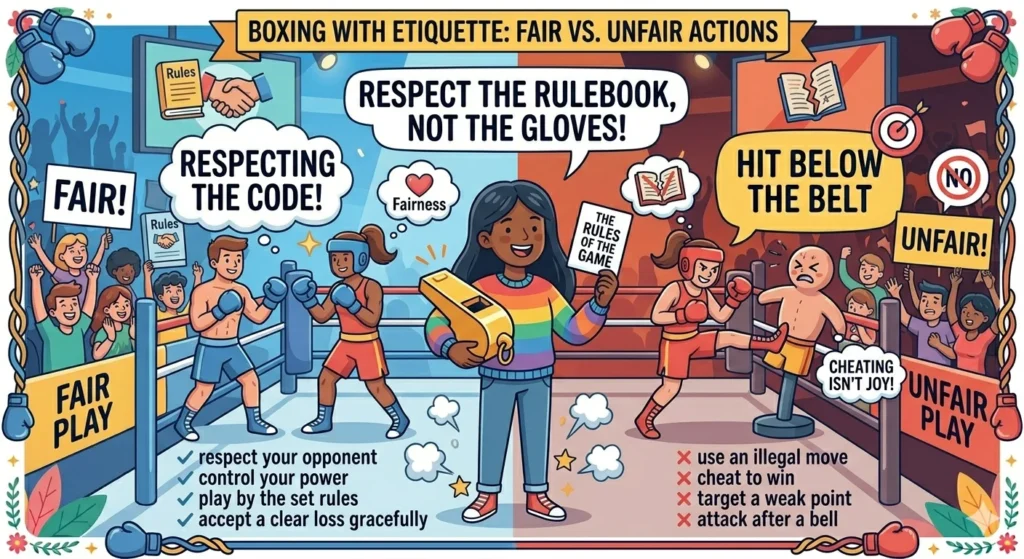
- His comment about my family was hitting below the belt.
- Critics said the article hit below the belt with personal attacks.
Common error: Don’t use literally unless in a boxing context.
Usage note: Best for describing unfair criticism or unethical behavior.
On the ropes
Word-by-word meaning: Being pushed against the ropes in a boxing match.
Idiomatic meaning: In a vulnerable or difficult situation.
Example sentences:
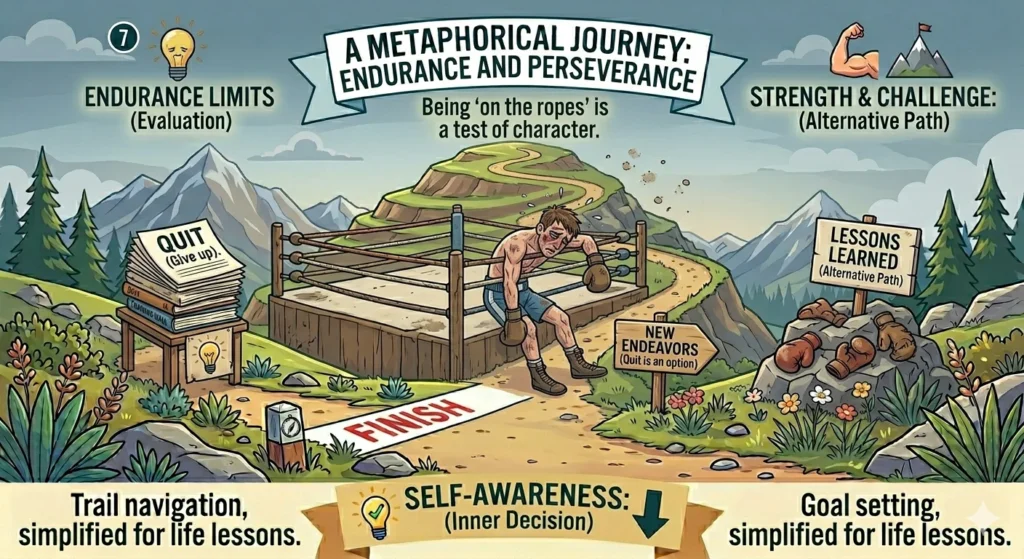
- After the stock market crash, many investors were on the ropes.
- The team was on the ropes in the final quarter but made a surprising comeback.
Common error: Avoid using for mild difficulties; it implies serious trouble.
Usage note: Can apply to financial, personal, or professional struggles.
Take a punch
Word-by-word meaning: Receive a hit in a boxing match.
Idiomatic meaning: Handle criticism or setbacks gracefully.
Example sentences:
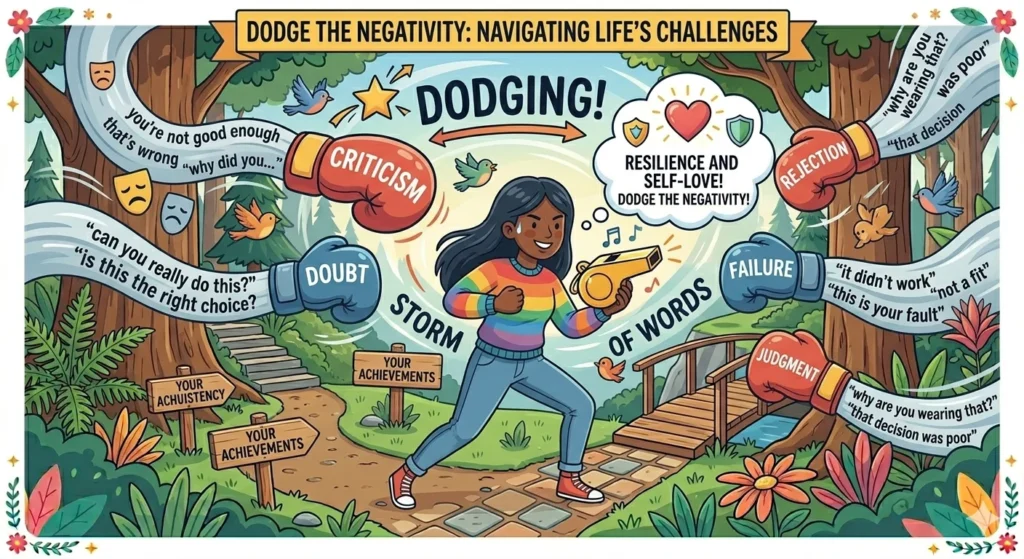
- She took a punch gracefully after the negative review.
- Learning to take a punch is part of growing in your career.
Common error: Confusing it with literal physical hits.
Usage note: Highlights resilience and composure under pressure.
Knockout
Word-by-word meaning: A hit that knocks an opponent unconscious.
Idiomatic meaning: Something impressive or extremely effective.
Example sentences:
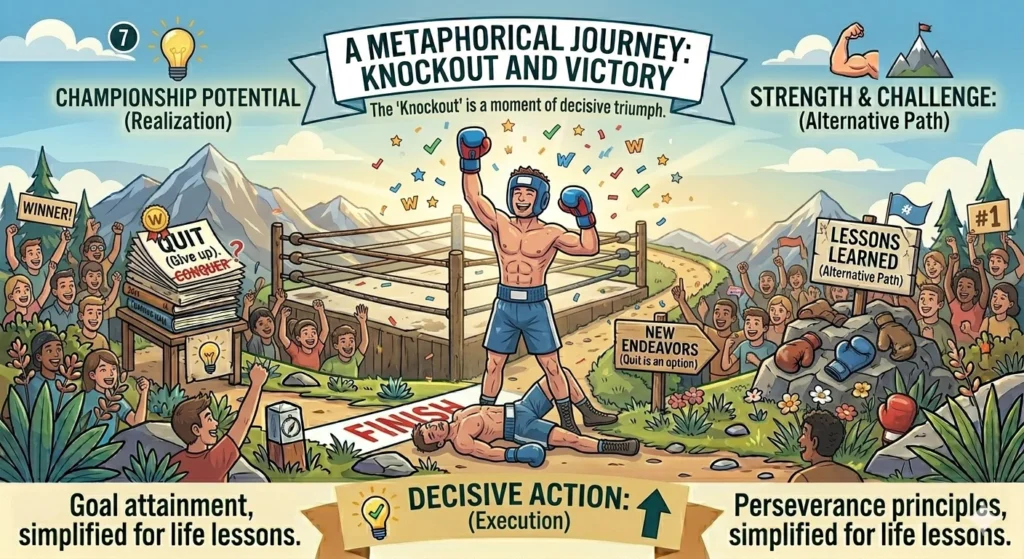
- That new restaurant is a knockout—everyone loves it!
- His speech was a knockout, leaving the audience amazed.
Common error: Don’t use for minor achievements; it implies something exceptional.
Usage note: Great for describing impactful events, performances, or ideas.
Bite the dust
Word-by-word meaning: Fall to the ground in defeat.
Idiomatic meaning: To fail, die, or be defeated.
Example sentences:
- Many startups bit the dust during the economic downturn.
- The old computer finally bit the dust after years of service.
Common error: Avoid using literally unless joking; it’s figurative.
Usage note: Can be humorous or serious depending on context.
Go the distance
Word-by-word meaning: Continue fighting until the final round in boxing.
Idiomatic meaning: Persevere until the end of a task or challenge.
Example sentences:
- She decided to go the distance with her novel despite criticism.
- Athletes train hard to go the distance in competitions.
Common error: Using it for small, easy tasks can feel exaggerated.
Usage note: Emphasizes persistence and endurance.
Back on the ropes
Word-by-word meaning: Being pushed against the ropes again.
Idiomatic meaning: Returning to a difficult or vulnerable position after recovery.
Example sentences:
- After recovering financially, the company found itself back on the ropes.
- I thought I finished the project, but now I’m back on the ropes with more revisions.
Common error: Confusing with “on the ropes”; this implies a repeated challenge.
Usage note: Highlights recurring difficulties or setbacks.
Spar with someone
Word-by-word meaning: Practice fight with a partner in boxing.
Idiomatic meaning: To argue, debate, or have a friendly disagreement.
Example sentences:
- The teammates like to spar with each other during meetings.
- Politicians often spar with opponents during debates.
Common error: Don’t use literally unless describing a boxing match.
Usage note: Commonly used in professional or casual debates.
Float like a butterfly, sting like a bee
Word-by-word meaning: Move gracefully yet strike powerfully.
Idiomatic meaning: Act lightly or carefully but be effective or sharp when needed.
Example sentences:
- She handled the negotiations like float like a butterfly, sting like a bee—calm but persuasive.
- A good teacher should float like a butterfly, sting like a bee with corrections.
Common error: Misusing for passive behavior; it implies skillful action.
Usage note: Famous from Muhammad Ali; emphasizes balance of grace and power.
Pack a punch
Word-by-word meaning: Deliver a strong hit.
Idiomatic meaning: Be powerful or impressive.
Example sentences:
- The new energy drink really packs a punch.
- Her presentation packed a punch, leaving everyone inspired.
Common error: Using it for minor impact reduces effect.
Usage note: Often used for strong effects in products, ideas, or performances.
Roll with the punches
Word-by-word meaning: Move or adjust with an opponent’s blows.
Idiomatic meaning: Adapt to difficulties or setbacks.
Example sentences:
- Life is unpredictable; you have to roll with the punches.
- He learned to roll with the punches during the busy season at work.
Common error: Avoid using for controlled or easy situations.
Usage note: Emphasizes flexibility and resilience.
Throw punches
Word-by-word meaning: Deliver blows in a fight.
Idiomatic meaning: To make aggressive attempts, criticize, or compete.
Example sentences:
- She threw punches at her competitor during the debate.
- The new brand is throwing punches at established companies.
Common error: Not literal unless boxing; metaphorical meaning dominates.
Usage note: Often used in business, debates, or competitive contexts.
Call the shots
Word-by-word meaning: Decide the next move in a boxing match.
Idiomatic meaning: Be in charge or make important decisions.
Example sentences:
- The manager calls the shots in the company.
- At home, my grandmother calls the shots when we plan family events.
Common error: Misusing for minor decisions; implies authority.
Usage note: Common in business, leadership, or team contexts.
Hit hard
Word-by-word meaning: Strike with force.
Idiomatic meaning: Have a strong effect, physically or metaphorically.
Example sentences:
- The news hit hard, leaving everyone shocked.
- That training session hit hard, but it was worth it.
Common error: Avoid trivializing; implies serious impact.
Usage note: Can refer to emotional, physical, or metaphorical impact.
Keep your guard up
Word-by-word meaning: Protect yourself in boxing.
Idiomatic meaning: Stay alert or cautious.
Example sentences:
- In negotiations, always keep your guard up.
- He kept his guard up during the argument.
Common error: Don’t use literally outside boxing without context.
Usage note: Suggests vigilance and preparation.
Take it on the chin
Word-by-word meaning: Receive a punch to the chin in boxing.
Idiomatic meaning: Accept a setback or criticism without complaint.
Example sentences:
- She took it on the chin when the project failed.
- Sometimes in life, you have to take it on the chin.
Common error: Confusing with literal injury.
Usage note: Highlights bravery and resilience.
Uppercut
Word-by-word meaning: A punch moving upward from below the opponent’s chin.
Idiomatic meaning: A surprise or unexpected impact.
Example sentences:
- The announcement was an uppercut to competitors.
- His joke landed like an uppercut, surprising everyone.
Common error: Not for minor events; implies significant impact.
Usage note: Often used in figurative or business contexts.
Gloves off
Word-by-word meaning: Remove gloves before a fight.
Idiomatic meaning: Prepare for a serious fight or confrontation.
Example sentences:
- The debate went gloves off after initial politeness.
- When the competition started, it was gloves off.
Common error: Using for casual arguments weakens the phrase.
Usage note: Implies seriousness and intensity.
Back to the ropes
Word-by-word meaning: Return to a defensive position near the ropes.
Idiomatic meaning: Facing renewed pressure or difficulty.
Example sentences:
- After the setback, the team was back to the ropes, but they didn’t give up.
- I felt back to the ropes with the last-minute assignment.
Common error: Confusing with “on the ropes”; this emphasizes returning pressure.
Usage note: Highlights recurring challenges or pressure.
FAQs About Boxing Idioms
1. Can boxing idioms be used in professional writing?
Yes! They add color and imagery but should fit the tone and context.
2. Are boxing idioms understood globally?
Mostly in English-speaking regions. Some may require explanation in other cultures.
3. Can idioms like “hit below the belt” be used literally?
It’s generally figurative; literal usage is rare outside sports.
4. How can I remember these idioms easily?
Link each idiom to a personal story or visual image for better recall.
5. Are these idioms formal or informal?
Mostly informal; best for casual conversation, storytelling, or creative writing.
Conclusion
Boxing idioms punch up your English and make conversations memorable. By practicing these 20 expressions, you’ll sound more natural, expressive, and confident. Next time life throws challenges at you, think about the perfect boxing idiom—it might just capture the moment perfectly!

Hazel Monroe, author at SeekIdiom, explains English idioms through simple meanings and examples, helping learners improve vocabulary and everyday usage.