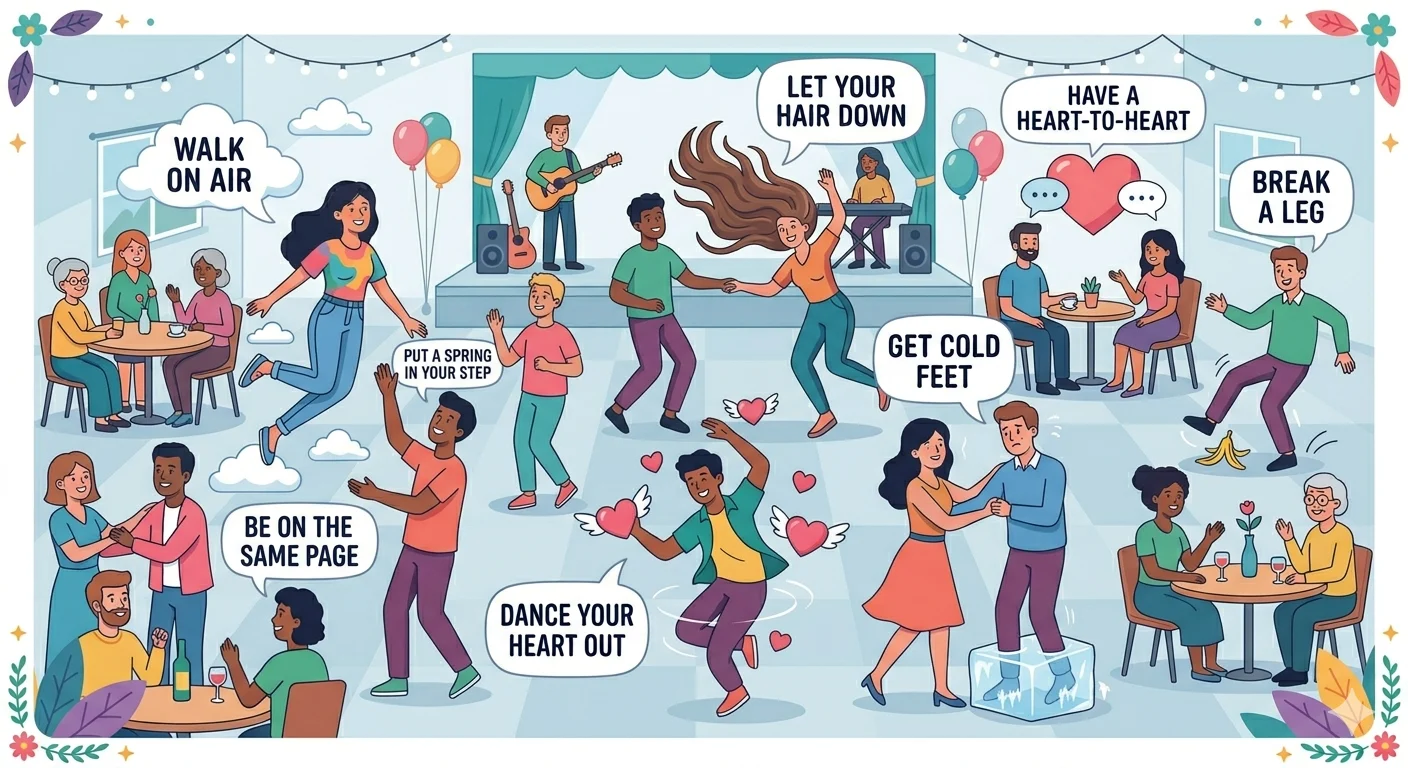
Ever noticed how English loves to talk about life like it’s a dance? From work stress to relationships, idioms about dancing add rhythm, emotion, and color to everyday conversations. I still remember hearing “dance around the issue” at work and feeling completely lost—until I learned what it really meant.
In this guide, you’ll explore 20 of the most famous idioms about dancing, explained in a clear, learner-friendly way with examples you can actually use.
Dance Around the Issue
Word-by-word meaning
To move around something instead of facing it directly
Idiomatic / figurative meaning
To avoid talking about the main problem
Example sentences
- Stop dancing around the issue and tell us the truth.
- He kept dancing around the issue during the meeting.

Common error
❌ “Dance around an issue” (missing the)
Usage note
Often used in professional or serious discussions.
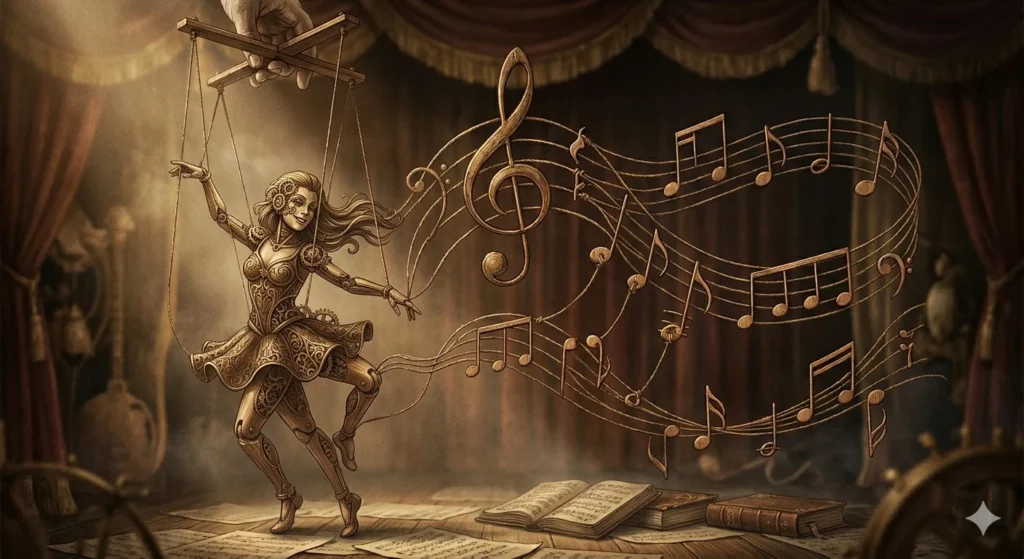
Dance to Someone’s Tune
Word-by-word meaning
To dance according to someone else’s music
Idiomatic / figurative meaning
To do whatever someone else wants
Example sentences
- I won’t dance to his tune anymore.
- She refuses to dance to her boss’s tune.
Common error
Confusing it with “sing to someone’s tune”
Usage note
Frequently used when talking about control or power.
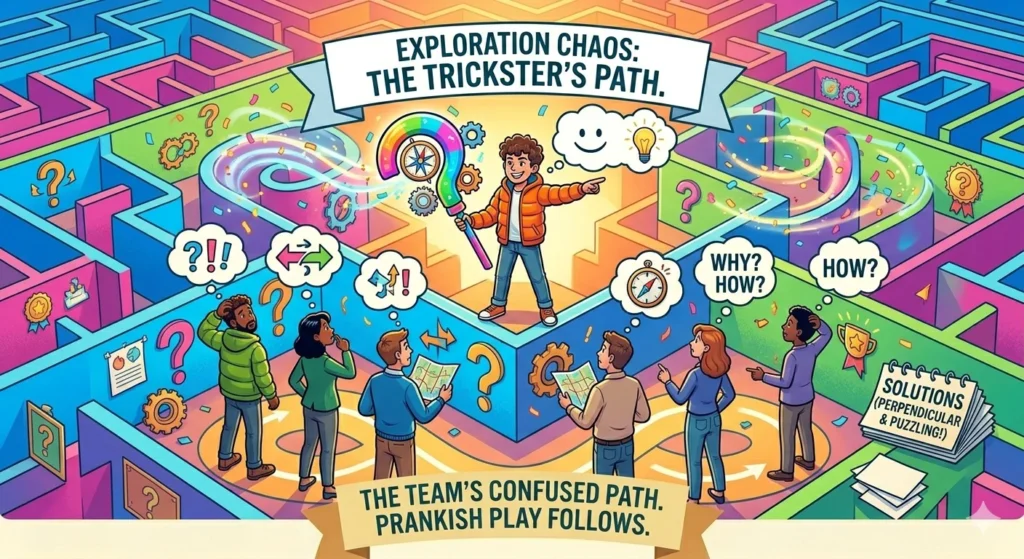
Lead Someone a Merry Dance
Word-by-word meaning
To make someone dance happily
Idiomatic / figurative meaning
To confuse or deceive someone repeatedly
Example sentences
- The company led customers a merry dance.
- He led the police a merry dance.
Common error
Using it for positive situations
Usage note
Has a negative tone.
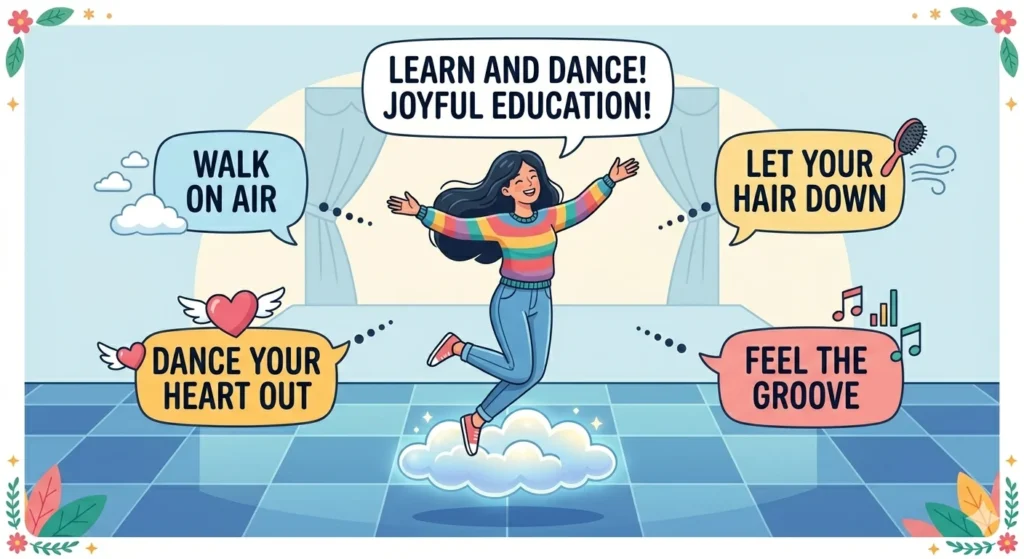
Dance on Air
Word-by-word meaning
To dance in the air
Idiomatic / figurative meaning
To feel extremely happy
Example sentences
- She was dancing on air after getting the job.
- He danced on air all day.
Common error
❌ “Dance in air”
Usage note
Informal and emotional expression.
Dance Attendance on Someone
Word-by-word meaning
To dance around someone
Idiomatic / figurative meaning
To serve or follow someone closely
Example sentences

- Assistants danced attendance on the celebrity.
- He expects everyone to dance attendance on him.
Common error
Using it casually in friendly situations
Usage note
Often implies excessive attention.
Dance the Night Away
Word-by-word meaning
To dance all night
Idiomatic / figurative meaning
To enjoy dancing for a long time
Example sentences
- We danced the night away at the wedding.
- They danced the night away at the club.
Common error
Using it without a time reference
Usage note
Positive and celebratory tone.
Dance on Someone’s Grave
Word-by-word meaning
To dance on a grave
Idiomatic / figurative meaning
To celebrate someone’s failure or death
Example sentences
- He danced on his rival’s grave.
- Don’t dance on someone’s grave.
Common error
Using it jokingly
Usage note
Very strong and offensive—use carefully.
83+ Dancing Idioms to Boost Vocabulary and Speaking Skills 🚀
Dance Like No One Is Watching
Word-by-word meaning
To dance freely
Idiomatic / figurative meaning
To live without fear of judgment
Example sentences
- Live boldly—dance like no one is watching.
- She truly dances like no one is watching.
Common error
Overusing it in formal writing
Usage note
Inspirational and motivational.
Do a Little Dance
Word-by-word meaning
To make a small dance
Idiomatic / figurative meaning
To show excitement
Example sentences
- I did a little dance when I passed the exam.
- He did a little dance of joy.
Common error
Taking it literally
Usage note
Casual and expressive.
Dance Around Someone
Word-by-word meaning
To move around someone
Idiomatic / figurative meaning
To avoid being honest with someone
Example sentences
- Don’t dance around me—just say it.
- She danced around her parents.
Common error
Mixing with “dance around the issue”
Usage note
Conversational English.
Dance to a Different Beat
Word-by-word meaning
To dance to other music
Idiomatic / figurative meaning
To be unique or independent
Example sentences
- He dances to a different beat.
- Artists often dance to a different beat.
Common error
❌ “Different rhythm”
Usage note
Positive individuality.
Dance with Danger
Word-by-word meaning
To dance near danger
Idiomatic / figurative meaning
To take risky actions
Example sentences
- He’s dancing with danger.
- Driving fast is dancing with danger.
Common error
Using it humorously
Usage note
Used as a warning.
Dance of Death
Word-by-word meaning
A deadly dance
Idiomatic / figurative meaning
A dangerous or final struggle
Example sentences
- The economy entered a dance of death.
- The rivals began a dance of death.
Common error
Using casually
Usage note
Dramatic and serious tone.
Dance on Thin Ice
Word-by-word meaning
To dance on weak ice
Idiomatic / figurative meaning
To act very riskily
Example sentences
- He’s dancing on thin ice with his boss.
- You’re dancing on thin ice here.
Common error
❌ “Walk on thin ice” confusion
Usage note
Very common in spoken English.
Dance Away Your Troubles
Word-by-word meaning
To dance problems away
Idiomatic / figurative meaning
To forget worries through enjoyment
Example sentences
- She danced away her troubles.
- Music helped him dance away stress.
Common error
Using it formally
Usage note
Emotional and positive.
Dance a Jig
Word-by-word meaning
A traditional happy dance
Idiomatic / figurative meaning
To celebrate excitedly
Example sentences
- He danced a jig after winning.
- She nearly danced a jig.
Common error
Overusing it literally
Usage note
Old-fashioned but expressive.
Dance Around the Truth
Word-by-word meaning
Avoid truth directly
Idiomatic / figurative meaning
To be dishonest indirectly
Example sentences
- Stop dancing around the truth.
- He danced around the truth again.
Common error
Mixing with “lie”
Usage note
Used in serious conversations.
Dance Someone Off Their Feet
Word-by-word meaning
To dance until exhausted
Idiomatic / figurative meaning
To impress or overwhelm
Example sentences
- He danced her off her feet.
- The performer danced the crowd off their feet.
Common error
Wrong pronoun use
Usage note
Romantic or entertaining tone.
Dance Like a Puppet
Word-by-word meaning
To dance like controlled toy
Idiomatic / figurative meaning
To lack independence
Example sentences
- He dances like a puppet at work.
- Don’t dance like a puppet.
Common error
Using it positively
Usage note
Negative connotation.
Dance Your Heart Out
Word-by-word meaning
To dance fully
Idiomatic / figurative meaning
To enjoy dancing without holding back
Example sentences
- Dance your heart out tonight!
- She danced her heart out.
Common error
Using in sad context
Usage note
Fun and motivational.
FAQs About Idioms About Dancing
1. Why are idioms about dancing so common in English?
Because dancing symbolizes emotion, movement, freedom, and relationships.
2. Can idioms about dancing be used in professional English?
Yes—idioms like dance around the issue are common in business.
3. Are dancing idioms literal?
No, most are figurative and symbolic.
4. How can I remember idioms easily?
Use them in real sentences and imagine the action.
5. Are these idioms used worldwide?
Yes, especially in American and British English.
Conclusion:
Learning idioms about dancing helps your English sound natural, confident, and expressive. Start small—pick 2–3 idioms today and use them in conversation or writing. Soon, your English won’t just speak… it’ll dance 💃🕺

Adrian Wells, author at SeekIdiom, shares easy explanations of English idioms with examples to help learners expand vocabulary and speak more confidently.