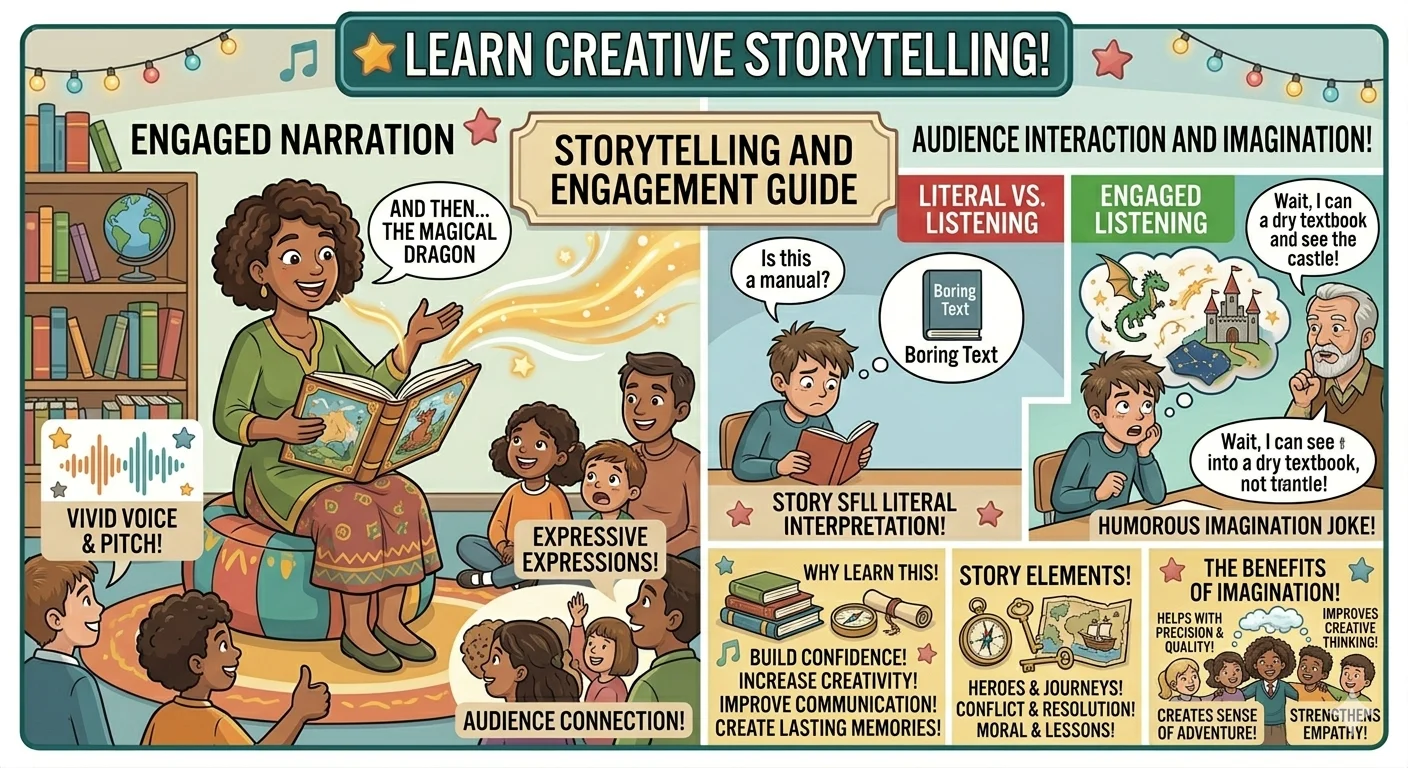
Storytelling idioms make your language vivid, expressive, and memorable. Whether you’re writing a story or speaking in daily life, using storytelling idioms helps you connect better with your audience and add depth to your narrative.
In this guide, you’ll learn 20 of the most famous storytelling idioms with meanings, examples, and practical usage tips.
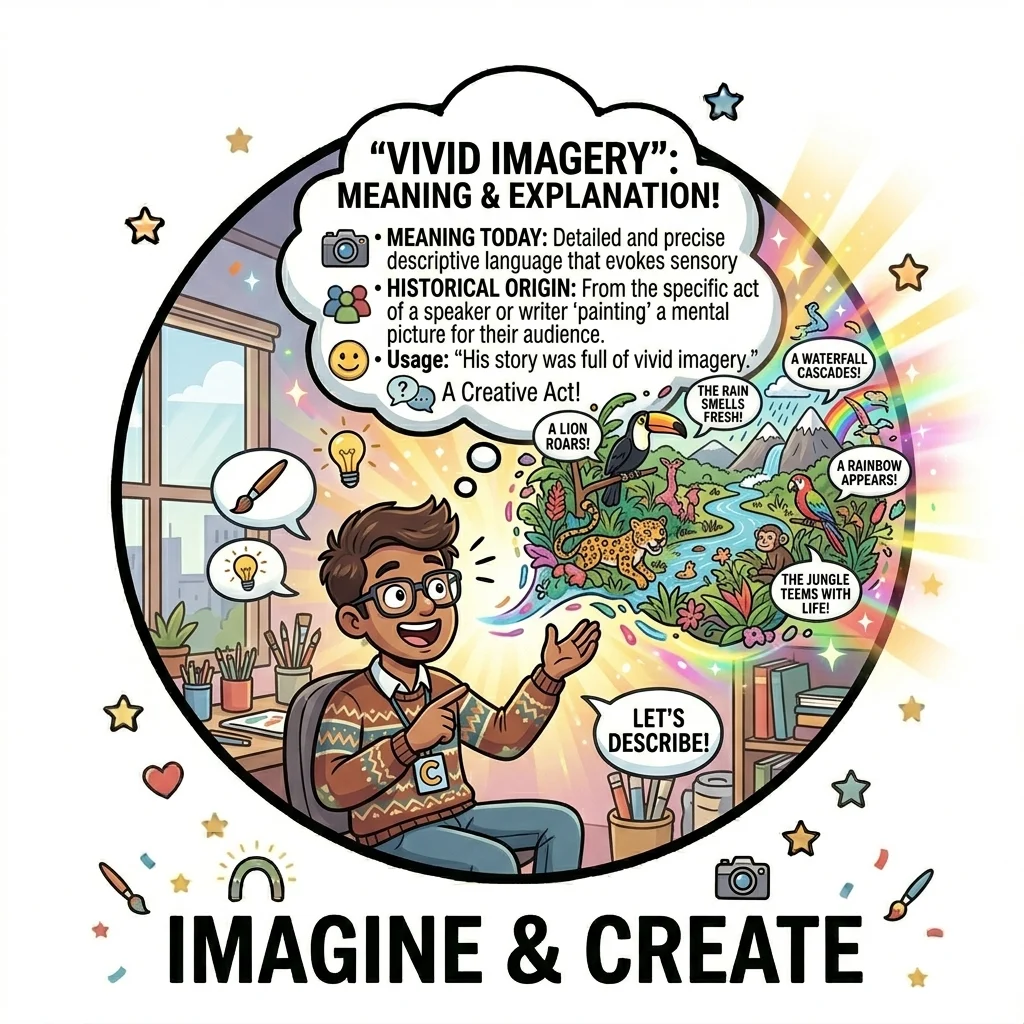
Paint the Picture
Word-by-word meaning
- Paint = create
- Picture = image
Idiomatic meaning
To describe something in a vivid and detailed way
Example sentences
- She painted the picture of her childhood beautifully.
- The author paints a picture of village life.
Common error
❌ Don’t use it for literal painting only
Usage note
Often used in storytelling, writing, and speeches
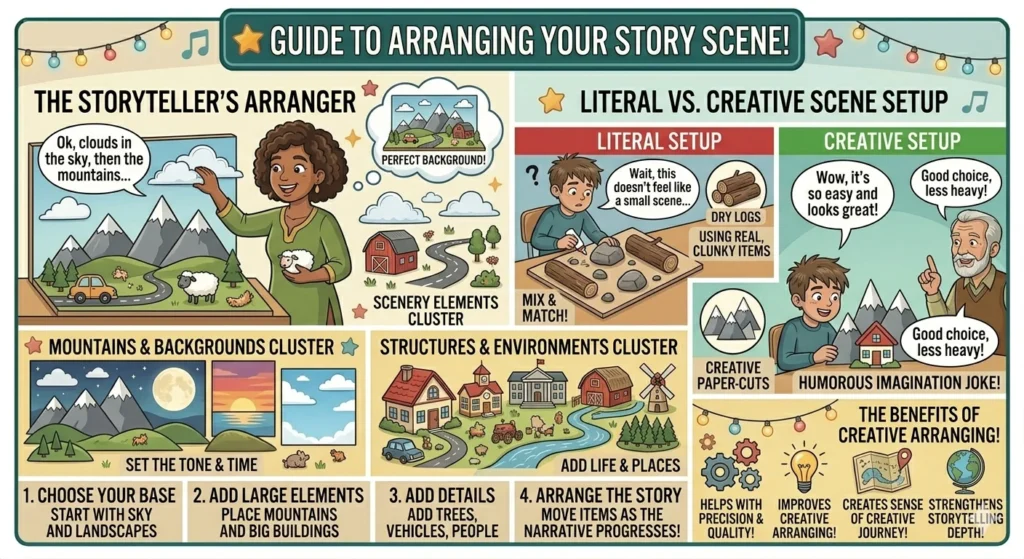
Set the Scene
Word-by-word meaning
- Set = arrange
- Scene = place or situation
Idiomatic meaning
To describe the background before telling a story
Example sentences
- Let me set the scene before I begin.
- The movie sets the scene perfectly.
Common error
❌ Avoid skipping details when using this idiom
Usage note
Used at the beginning of stories
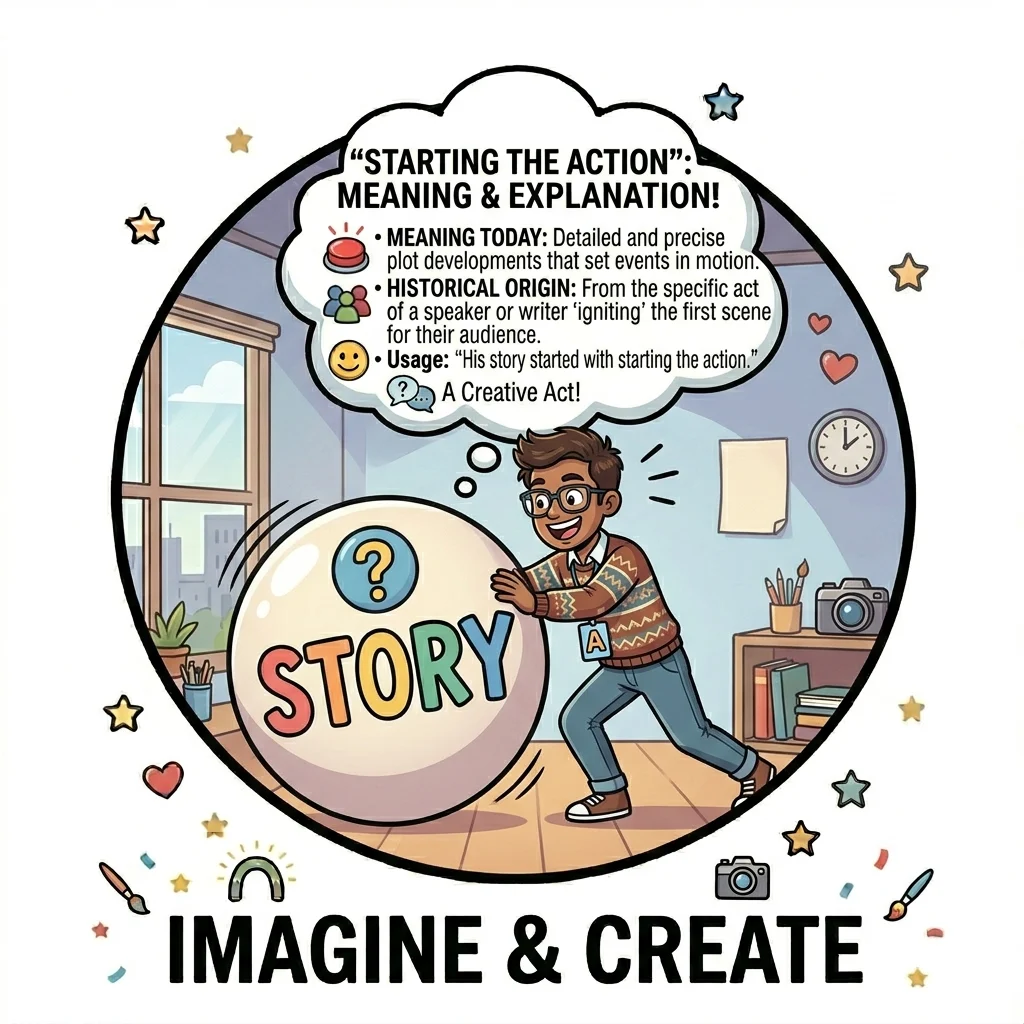
Get the Ball Rolling
Word-by-word meaning
- Ball = object
- Rolling = moving
Idiomatic meaning
To start something
Example sentences
- Let’s get the ball rolling with the story.
- He got the ball rolling on the project.
Common error
❌ Don’t confuse with physical sports action
Usage note
Great for starting narratives
Spin a Yarn
Word-by-word meaning
- Spin = create
- Yarn = thread/story
Idiomatic meaning
To tell a long or imaginative story
Example sentences
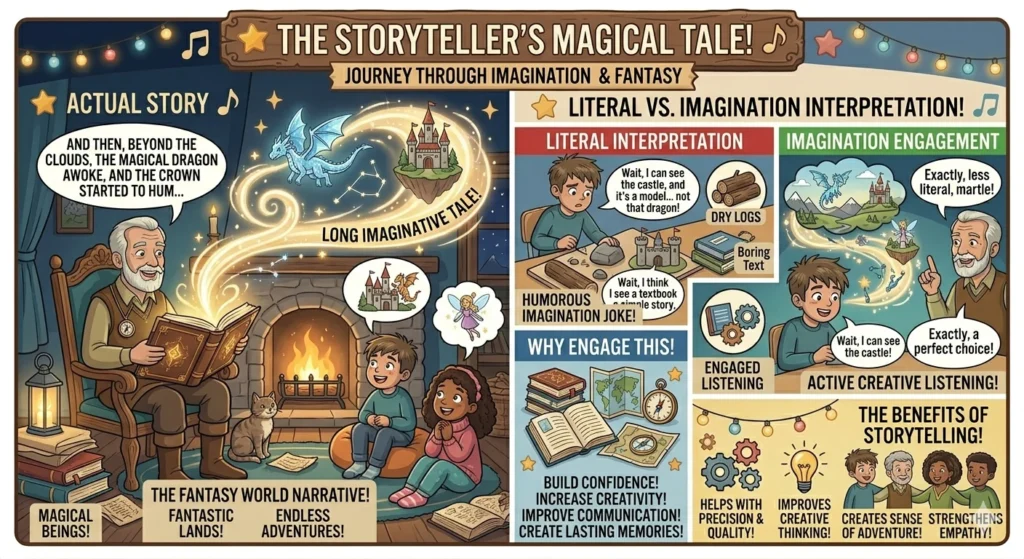
- Grandpa loves to spin a yarn.
- He spun a yarn about his travels.
Common error
❌ Don’t use for short factual statements
Usage note
Often used for fictional or exaggerated stories
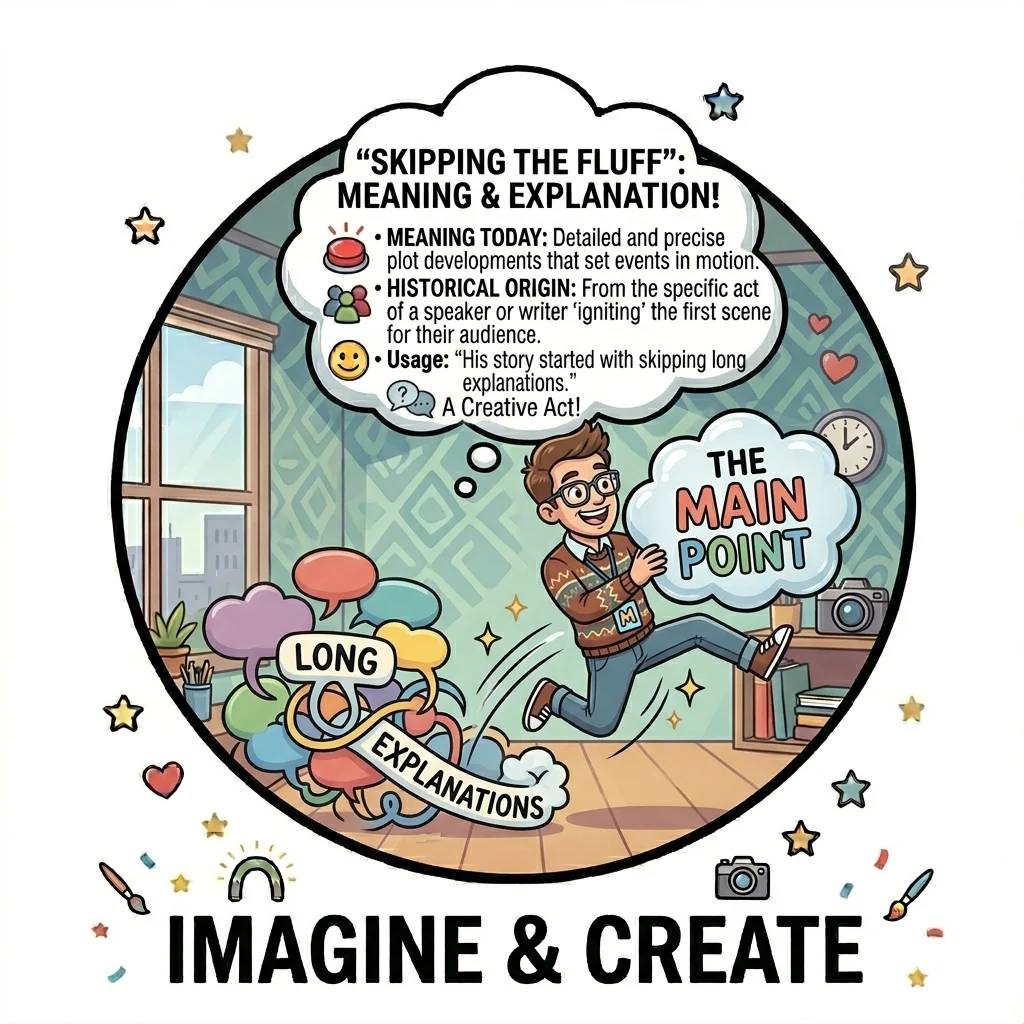
Cut to the Chase
Word-by-word meaning
- Cut = skip
- Chase = main action
Idiomatic meaning
To get to the main point quickly
Example sentences
- Let’s cut to the chase.
- He cut to the chase in his speech.
Common error
❌ Don’t overuse in formal writing
Usage note
Useful in conversations
Add Fuel to the Fire
Word-by-word meaning
- Fuel = energy
- Fire = problem
Idiomatic meaning
To make a situation worse
Example sentences
- His comment added fuel to the fire.
- Don’t add fuel to the fire.
Common error
❌ Not used for positive situations
Usage note
Used in dramatic storytelling
Steal the Show
Word-by-word meaning
- Steal = take
- Show = performance
Idiomatic meaning
To attract the most attention
Example sentences
- The hero stole the show.
- She stole the show with her speech.
Common error
❌ Not about actual stealing
Usage note
Used in performances and storytelling
Break the Ice
Word-by-word meaning
- Break = destroy
- Ice = barrier
Idiomatic meaning
To start a conversation
Example sentences
- He told a joke to break the ice.
- Ice-breakers help storytelling.
Common error
❌ Don’t use for physical ice
Usage note
Useful in introductions
Leave on a Cliffhanger
Word-by-word meaning
- Leave = stop
- Cliffhanger = suspense
Idiomatic meaning
To end with suspense
Example sentences
- The episode ended on a cliffhanger.
- The writer left readers curious.
Common error
❌ Don’t overuse suspense endings
Usage note
Popular in stories and series
Read Between the Lines
Word-by-word meaning
- Read = understand
- Lines = text
Idiomatic meaning
To find hidden meaning
Example sentences
- Read between the lines carefully.
- There’s more than what is said.
Common error
❌ Not for literal reading
Usage note
Used in deep storytelling
Keep Someone in Suspense
Word-by-word meaning
- Keep = hold
- Suspense = tension
Idiomatic meaning
To delay revealing information
Example sentences
- The story keeps readers in suspense.
- He kept us in suspense.
Common error
❌ Don’t confuse with confusion
Usage note
Used in thrillers
Bring to Life
Word-by-word meaning
- Bring = make
- Life = alive
Idiomatic meaning
To make something realistic
Example sentences
- The author brings characters to life.
- Her story felt real.
Common error
❌ Not literal life creation
Usage note
Used in creative writing
Twist the Plot
Word-by-word meaning
- Twist = change
- Plot = story
Idiomatic meaning
To add unexpected changes
Example sentences
- The movie twists the plot.
- A good twist surprises readers.
Common error
❌ Don’t overcomplicate
Usage note
Great for engaging stories
Tell a Tale
Word-by-word meaning
- Tell = speak
- Tale = story
Idiomatic meaning
To narrate a story
Example sentences
- She told a tale of adventure.
- He tells great tales.
Common error
❌ Avoid using for lies unless context fits
Usage note
Common in storytelling
Hook the Audience
Word-by-word meaning
- Hook = catch
- Audience = listeners
Idiomatic meaning
To grab attention
Example sentences
- The intro hooks the audience.
- A strong start is key.
Common error
❌ Weak openings fail to hook
Usage note
Important in writing
Build Up the Tension
Word-by-word meaning
- Build = increase
- Tension = suspense
Idiomatic meaning
To gradually increase excitement
Example sentences
- The story builds tension.
- Tension keeps readers engaged.
Common error
❌ Don’t rush tension
Usage note
Used in drama
Hit the Climax
Word-by-word meaning
- Hit = reach
- Climax = peak
Idiomatic meaning
To reach the most exciting part
Example sentences
- The story hits climax.
- That was the peak moment.
Common error
❌ Not always dramatic
Usage note
Used in story structure
Wrap Up the Story
Word-by-word meaning
- Wrap = finish
- Story = narrative
Idiomatic meaning
To conclude a story
Example sentences
- Let’s wrap up the story.
- The ending was satisfying.
Common error
❌ Don’t end abruptly
Usage note
Used at endings
Pass the Message
Word-by-word meaning
- Pass = give
- Message = idea
Idiomatic meaning
To convey a lesson
Example sentences
- Stories pass messages.
- The moral was clear.
Common error
❌ Don’t make it too obvious
Usage note
Used in moral stories
Leave a Lasting Impression
Word-by-word meaning
- Leave = create
- Impression = impact
Idiomatic meaning
To be memorable
Example sentences
- The story leaves an impression.
- It stayed in my mind.
Common error
❌ Avoid weak endings
Usage note
Essential for storytelling
FAQs
1. What are storytelling idioms?
Storytelling idioms are expressions used to make stories more engaging, vivid, and expressive.
2. Why should I use storytelling idioms?
They improve communication, make stories interesting, and help connect with the audience.
3. Are storytelling idioms used in writing only?
No, they are used in speaking, teaching, and daily conversations too.
4. How can I learn idioms easily?
Practice using them in sentences and real-life conversations.
5. Can idioms improve storytelling skills?
Yes, they make your stories more creative and impactful.
Conclusion
Mastering storytelling idioms can completely transform how you communicate your ideas. These expressions not only make your stories more engaging but also help you connect emotionally with your audience.
Start using these idioms in your daily conversations and writing—you’ll quickly notice how your storytelling becomes more powerful and memorable.

Julian Mercer, author at SeekIdiom, writes clear explanations of English idioms with examples to help learners improve vocabulary and communication skills.