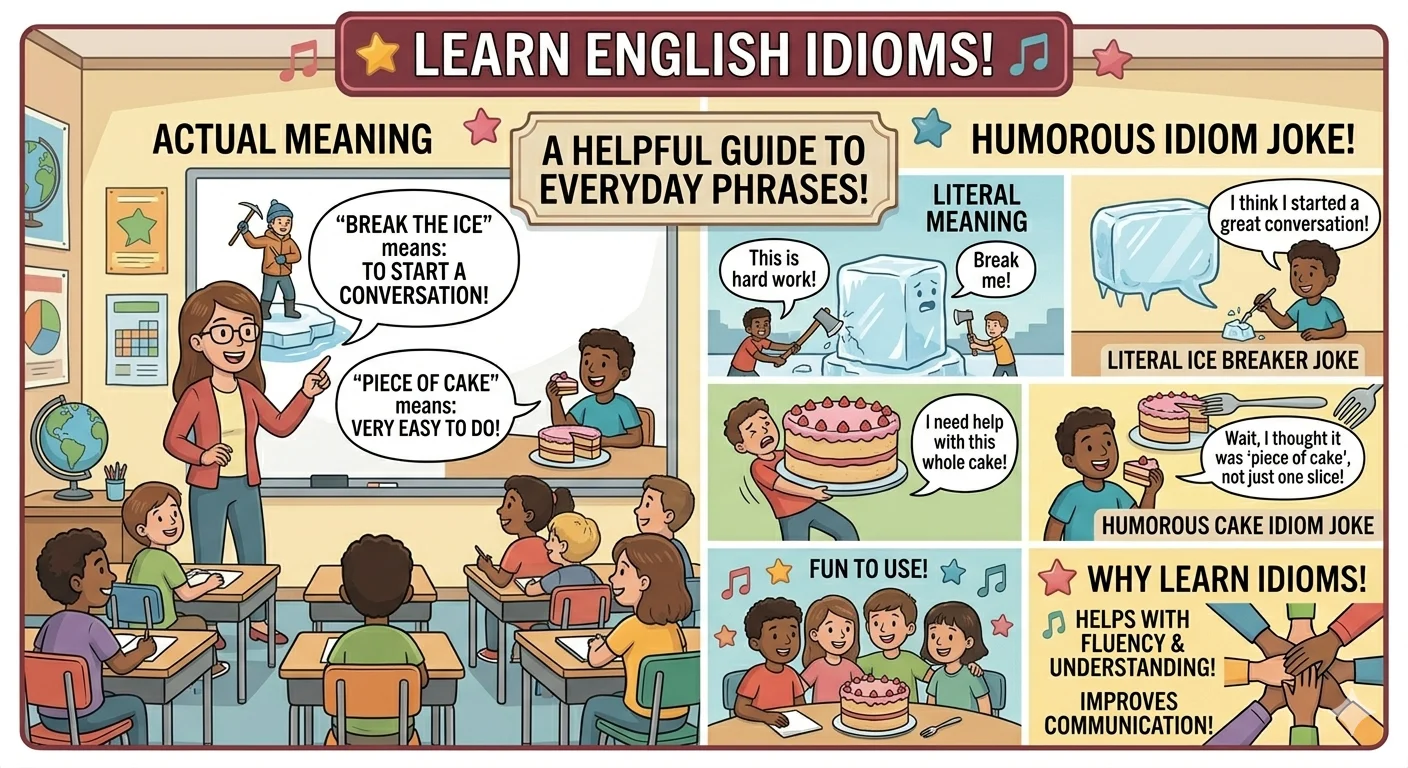
Teaching English idioms can feel tricky—but it doesn’t have to be. Idioms are fun, memorable, and help learners sound more natural. Once students understand how they work, they start using English like native speakers.
Imagine a student saying “It’s raining cats and dogs” instead of just “It’s raining heavily.” That’s the power of idioms—they bring language to life!
Why Teaching English Idioms Matters
- Improves fluency and natural speech
- Helps understand movies, songs, and conversations
- Builds cultural awareness
- Makes learning English more fun
Break the Ice
Word-by-word meaning
Break = destroy, Ice = frozen water
Idiomatic meaning
To start a conversation in a social situation
Example sentences
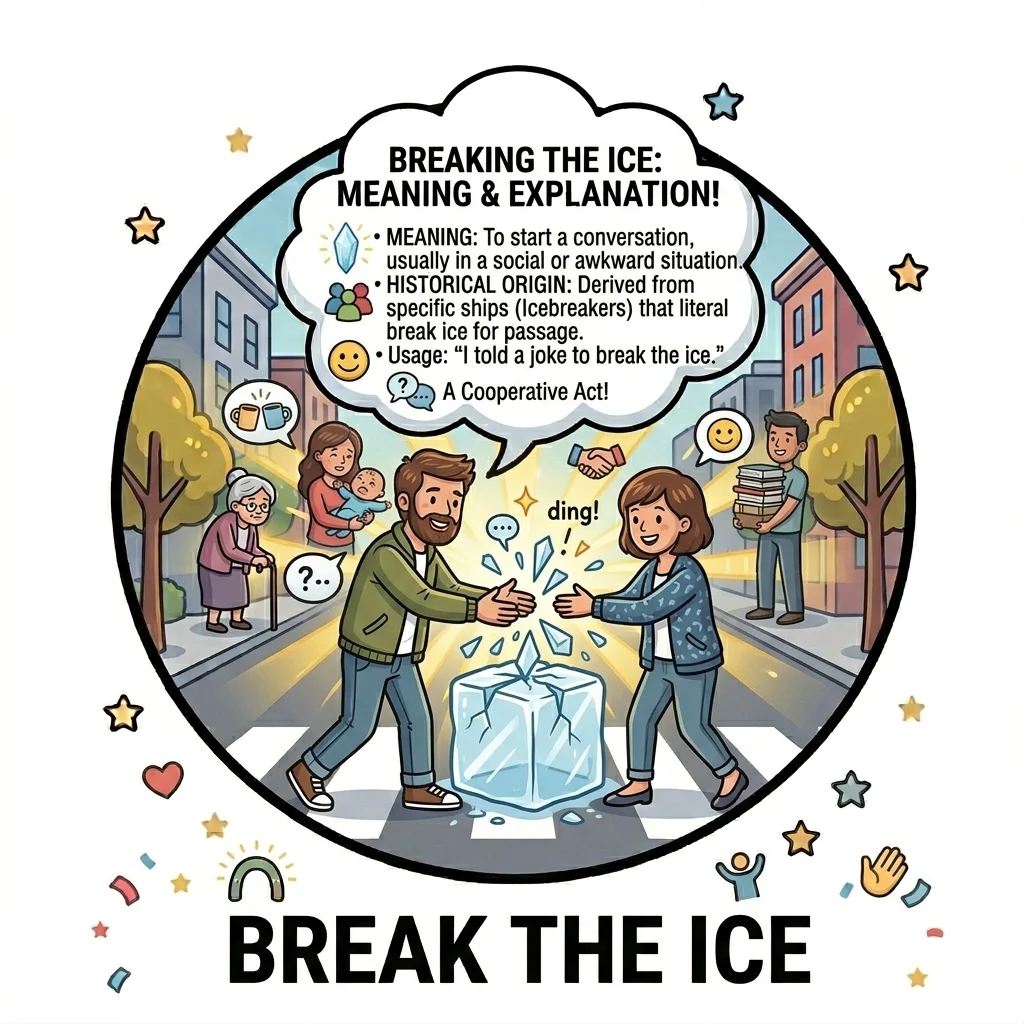
- The teacher told a joke to break the ice.
Common error
❌ Break the cold
✔️ Break the ice
Usage note
Perfect for first meetings or classrooms
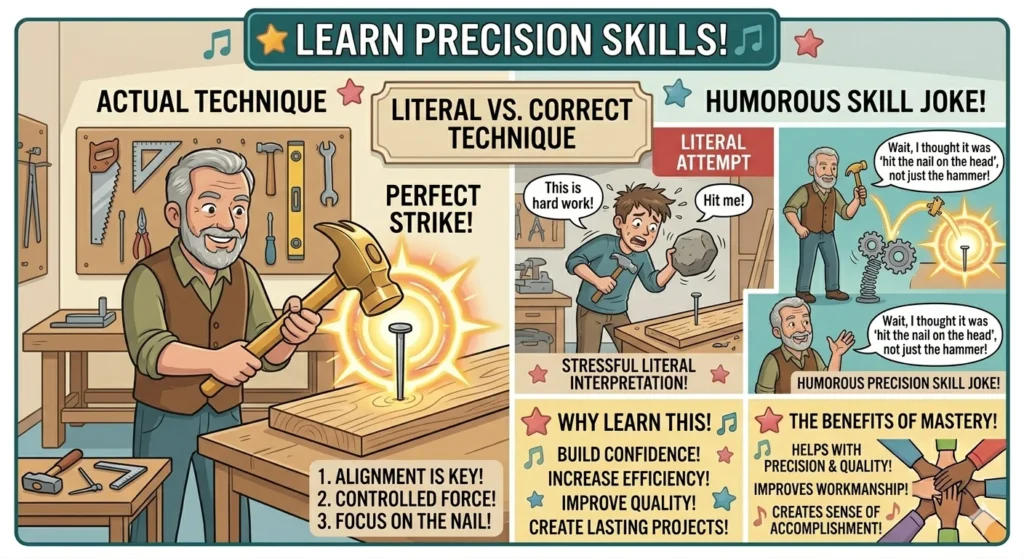
Hit the Nail on the Head
Word-by-word meaning
Hit = strike, Nail = metal pin, Head = top
Idiomatic meaning
To say something exactly right
Example sentences
- You hit the nail on the head with that answer.
Common error
❌ Hit the nail
✔️ Hit the nail on the head
Usage note
Use when someone is 100% correct
Under the Weather
Word-by-word meaning
Under = below, Weather = climate
Idiomatic meaning
Feeling sick
Example sentences
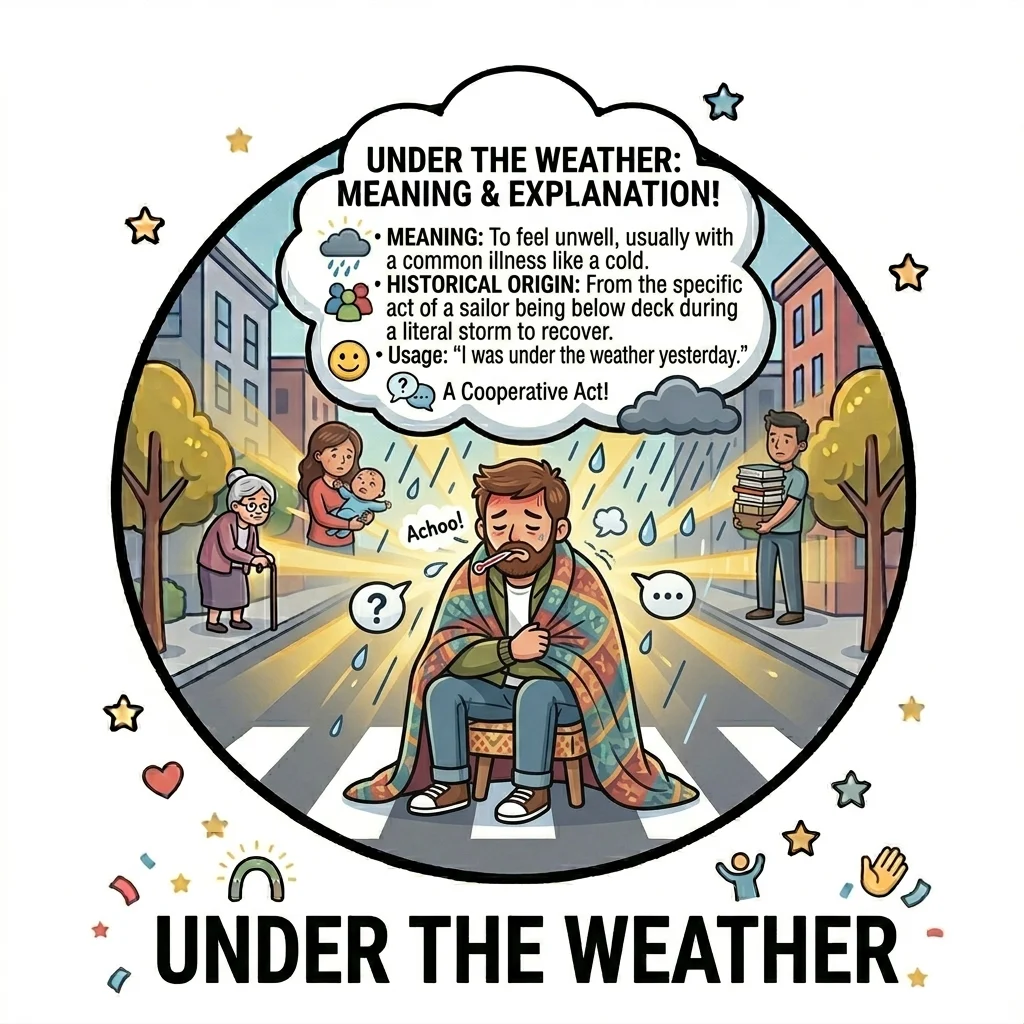
- I’m feeling under the weather today.
Common error
❌ In the weather
✔️ Under the weather
Usage note
Informal expression
Piece of Cake
Word-by-word meaning
Piece = part, Cake = dessert
Idiomatic meaning
Something very easy
Example sentences
- The test was a piece of cake.

Common error
❌ Cake piece
✔️ Piece of cake
Usage note
Common in spoken English
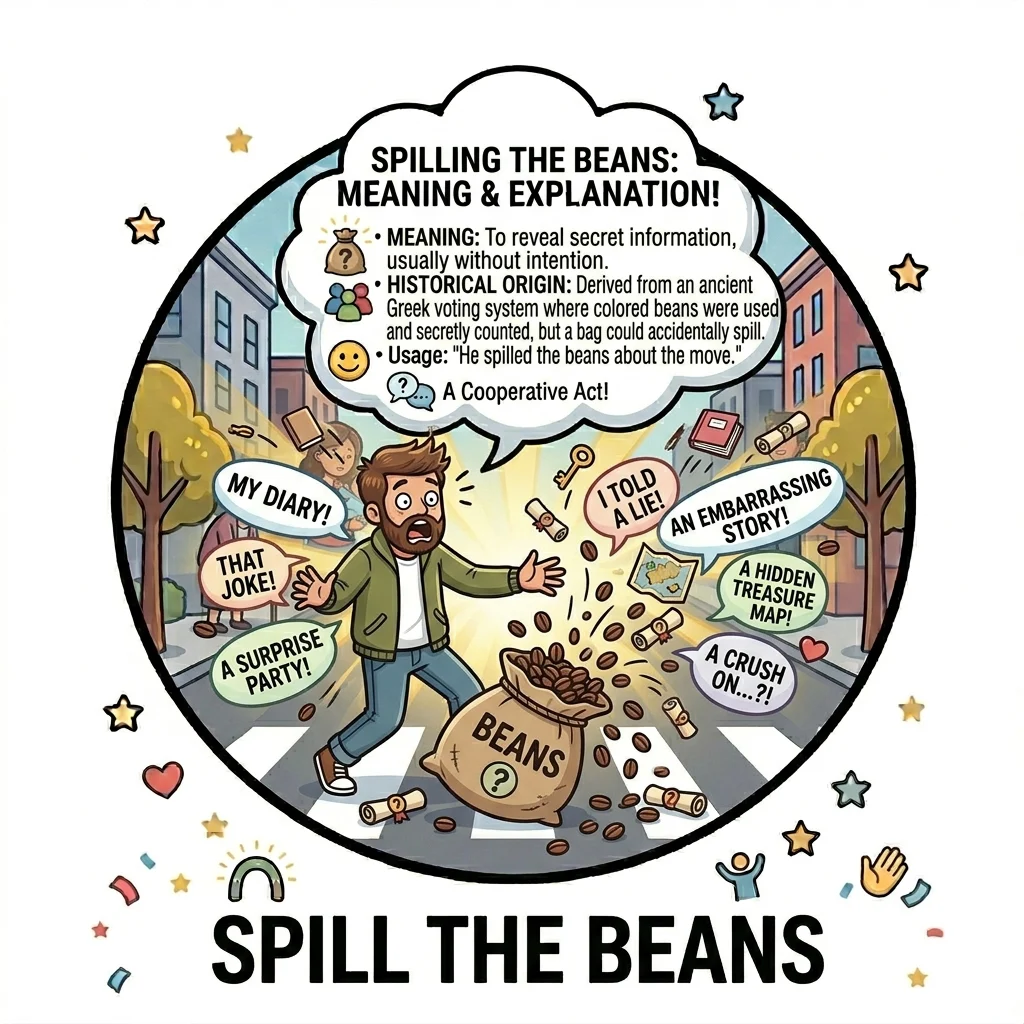
Spill the Beans
Word-by-word meaning
Spill = drop, Beans = seeds
Idiomatic meaning
Reveal a secret
Example sentences
- He spilled the beans about the surprise.
Common error
❌ Drop the beans
✔️ Spill the beans
Usage note
Used for secrets
Once in a Blue Moon
Word-by-word meaning
Rare moon event
Idiomatic meaning
Very rarely
Example sentences
- I go to the cinema once in a blue moon.
Common error
❌ One blue moon
✔️ Once in a blue moon
Usage note
Emphasizes rarity
Let the Cat Out of the Bag
Word-by-word meaning
Let = allow, Cat = animal, Bag = container
Idiomatic meaning
Reveal a secret accidentally
Example sentences
- She let the cat out of the bag.
Common error
❌ Open the bag
✔️ Let the cat out of the bag
Usage note
Often used in storytelling
Burn the Midnight Oil
Word-by-word meaning
Burn = use, Oil = fuel
Idiomatic meaning
Work late at night
Example sentences
- He burned the midnight oil to finish homework.
Common error
❌ Burn oil
✔️ Burn the midnight oil
Usage note
Academic or work context
Cost an Arm and a Leg
Word-by-word meaning
Arm & leg = body parts
Idiomatic meaning
Very expensive
Example sentences
- That phone costs an arm and a leg.
Common error
❌ Cost arms
✔️ Cost an arm and a leg
Usage note
Used in shopping context
Bite the Bullet
Word-by-word meaning
Bite = chew, Bullet = metal object
Idiomatic meaning
Face a difficult situation bravely
Example sentences
- I had to bite the bullet and apologize.
Common error
❌ Bite bullet
✔️ Bite the bullet
Usage note
Used for tough decisions
Call It a Day
Word-by-word meaning
Call = decide, Day = time
Idiomatic meaning
Stop working
Example sentences
- Let’s call it a day.
Common error
❌ Call the day
✔️ Call it a day
Usage note
End of work
Hit the Sack
Word-by-word meaning
Hit = go, Sack = bag
Idiomatic meaning
Go to sleep
Example sentences
- I’m tired, I’ll hit the sack.
Common error
❌ Hit the bed
✔️ Hit the sack
Usage note
Informal
Pull Someone’s Leg
Word-by-word meaning
Pull = drag, Leg = limb
Idiomatic meaning
To joke or tease
Example sentences
- I was just pulling your leg.
Common error
❌ Pull leg
✔️ Pull someone’s leg
Usage note
Friendly teasing
The Ball Is in Your Court
Word-by-word meaning
Ball & court (sports)
Idiomatic meaning
It’s your decision now
Example sentences
- I’ve done my part, the ball is in your court.
Common error
❌ Ball in your side
✔️ Ball is in your court
Usage note
Decision-making situations
Kill Two Birds with One Stone
Word-by-word meaning
Kill = eliminate, Birds = animals
Idiomatic meaning
Achieve two goals at once
Example sentences
- Walking to work kills two birds with one stone.
Common error
❌ Kill two birds
✔️ Full idiom
Usage note
Efficiency
A Blessing in Disguise
Word-by-word meaning
Blessing = good thing, Disguise = hidden
Idiomatic meaning
Something good that seemed bad
Example sentences
- Losing that job was a blessing in disguise.
Common error
❌ Hidden blessing
✔️ Blessing in disguise
Usage note
Reflective situations
Beat Around the Bush
Word-by-word meaning
Beat = hit, Bush = plant
Idiomatic meaning
Avoid the main point
Example sentences
- Stop beating around the bush.
Common error
❌ Beat the bush
✔️ Beat around the bush
Usage note
Used in discussions
Cut Corners
Word-by-word meaning
Cut = reduce, Corners = edges
Idiomatic meaning
Do something poorly to save time/money
Example sentences
- Don’t cut corners on quality.
Common error
❌ Cut the corner
✔️ Cut corners
Usage note
Work/business
On Cloud Nine
Word-by-word meaning
Cloud = sky, Nine = number
Idiomatic meaning
Very happy
Example sentences
- She was on cloud nine after the results.
Common error
❌ Cloud nine only
✔️ On cloud nine
Usage note
Strong happiness
Actions Speak Louder Than Words
Word-by-word meaning
Actions = behavior, Words = speech
Idiomatic meaning
What you do matters more than what you say
Example sentences
- He proved it—actions speak louder than words.
Common error
❌ Actions louder
✔️ Full idiom
Usage note
Moral teaching
FAQs About Teaching English Idioms
1. Why are idioms difficult for learners?
Because meanings are not literal, so they require memorization and context.
2. How can I teach idioms effectively?
Use stories, visuals, and real-life examples.
3. Should beginners learn idioms?
Yes, but start with simple and common ones.
4. How many idioms should students learn daily?
3–5 idioms are ideal for better retention.
5. Are idioms used in formal English?
Mostly informal, but some appear in formal writing.
Conclusion
Teaching English idioms is one of the best ways to make language learning exciting and practical. With consistent practice, learners can understand native conversations and express themselves more naturally.
Start small, practice daily, and soon idioms will become a natural part of your English journey!

Julian Mercer, author at SeekIdiom, writes clear explanations of English idioms with examples to help learners improve vocabulary and communication skills.