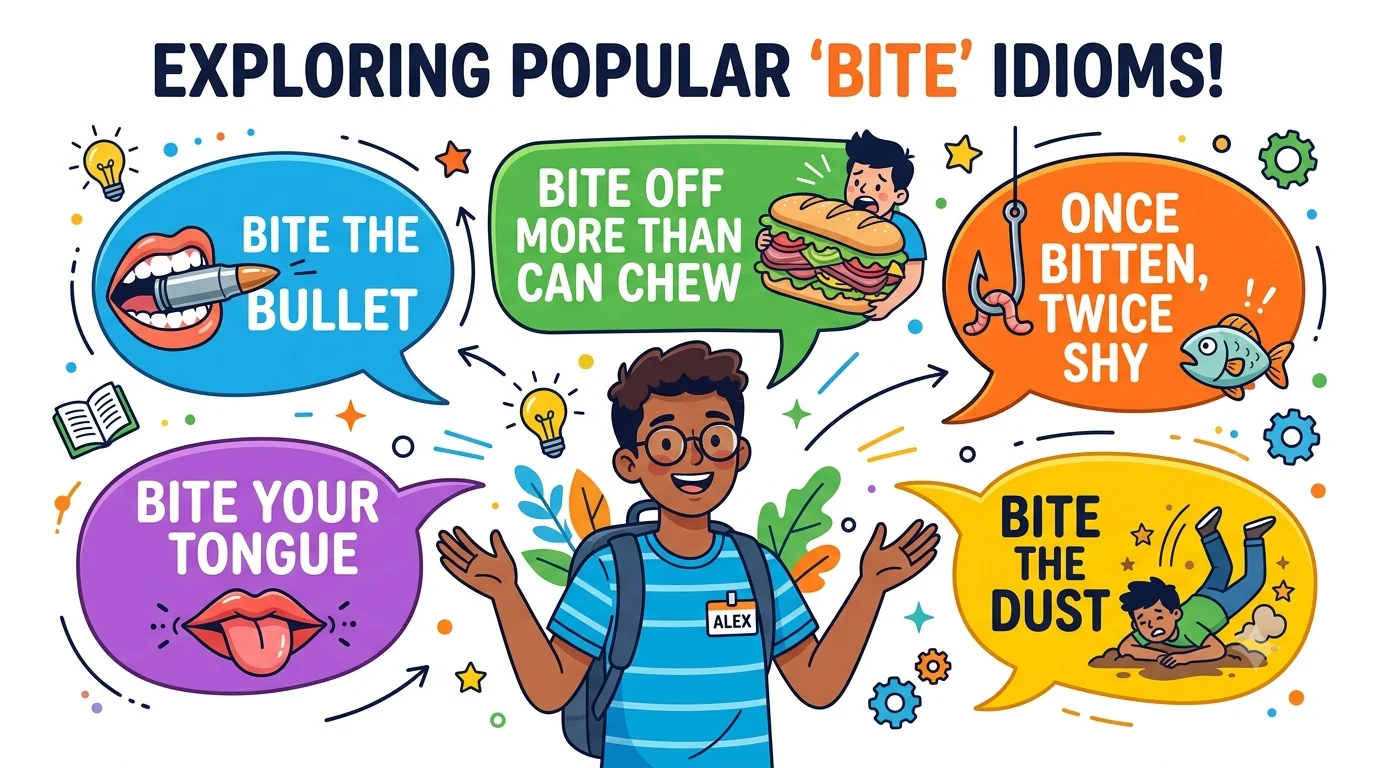
Have you ever heard someone say, “bite the bullet” or “bite off more than you can chew” and wondered what they really meant? Bite idioms are colorful English expressions that use the word bite to describe situations, emotions, challenges, and everyday life.
Whether you’re learning English for school, work, or conversation, understanding these idioms will help you sound more fluent and confident. In this guide, you’ll discover 20 popular bite idioms, their meanings, example sentences, common mistakes, and practical usage tips.
What Are Bite Idioms?
Bite idioms are expressions containing the word bite that have a figurative meaning rather than a literal one.
For example:
- Literal: The dog bit the mailman.
- Idiomatic: She decided to bite the bullet and tell the truth.
In the second sentence, nobody is actually biting anything. The phrase means to face a difficult situation with courage.
Why Learn Bite Idioms?
Learning idioms helps you:
- Speak more naturally.
- Understand movies and TV shows.
- Improve IELTS and TOEFL scores.
- Write more engaging English.
- Understand native speakers more easily.
1. Bite the Bullet
Word-by-Word Meaning
- Bite = close your teeth on something
- Bullet = ammunition
Idiomatic Meaning
To face a painful or difficult situation with courage instead of avoiding it.
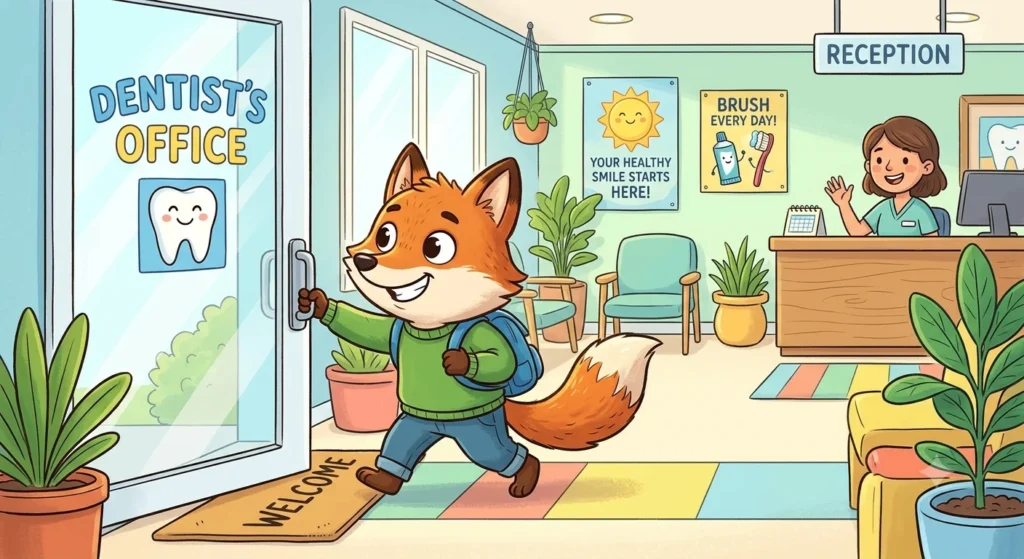
Example Sentences
- I finally bit the bullet and visited the dentist.
- She bit the bullet and apologized.
Common Error
❌ Bite a bullet
✅ Bite the bullet
Usage Note
Used when someone accepts something unpleasant because it cannot be avoided.
2. Bite Off More Than You Can Chew
Word-by-Word Meaning
Taking a bite larger than your mouth can handle.
Idiomatic Meaning
To take on more work or responsibility than you can manage.
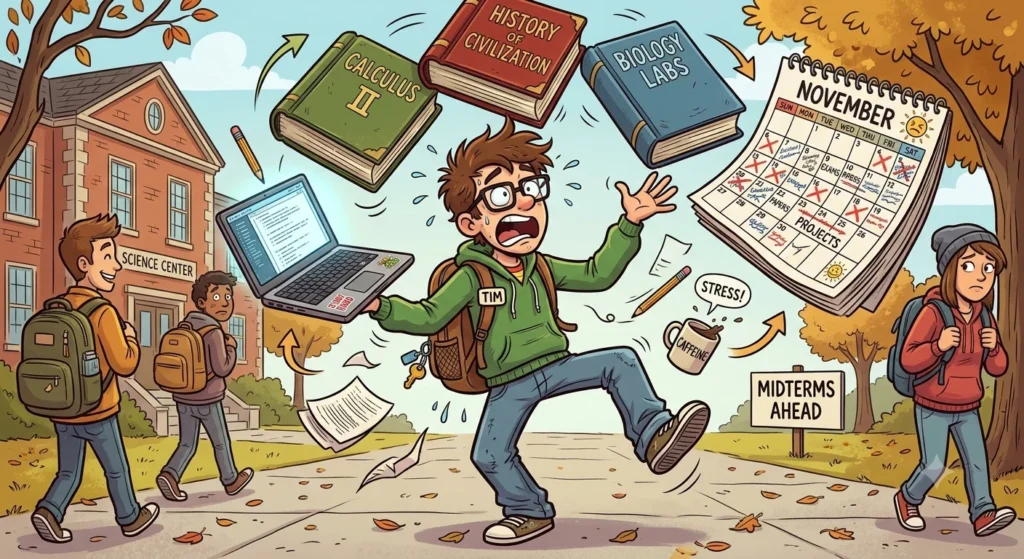
Example Sentences
- I accepted three freelance projects and bit off more than I could chew.
- Don’t bite off more than you can chew during exams.
Common Error
Using it for eating food literally.
Usage Note
Very common in workplaces and schools.
3. Bite Your Tongue
Word-by-Word Meaning
To bite your own tongue.
Idiomatic Meaning
To stop yourself from saying something.
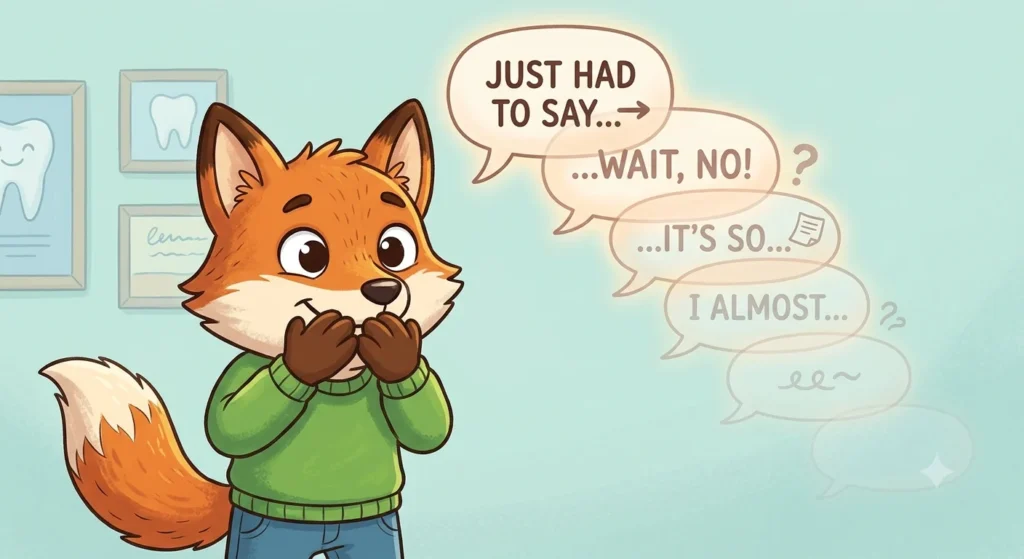
Example Sentences
- I wanted to complain, but I bit my tongue.
- Bite your tongue before saying something rude.
Common Error
Using it after you’ve already spoken.
Usage Note
Describes self-control.
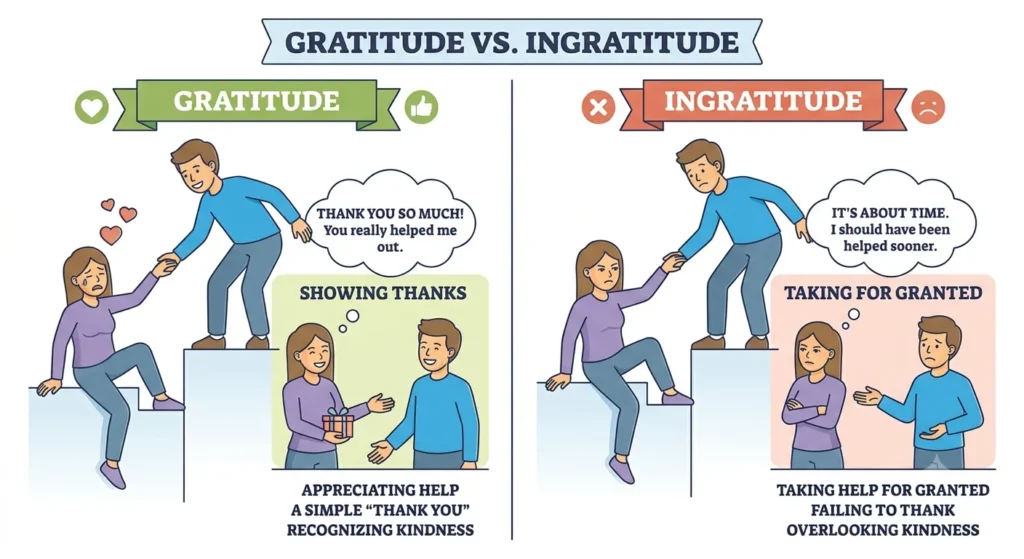
4. Bite the Hand That Feeds You
Word-by-Word Meaning
To bite the person feeding you.
Idiomatic Meaning
To harm or criticize someone who helps you.
Example Sentences
- Don’t bite the hand that feeds you.
- He criticized his employer and bit the hand that fed him.
Common Error
Using it for strangers.
Usage Note
Usually refers to employers, family, or supporters.
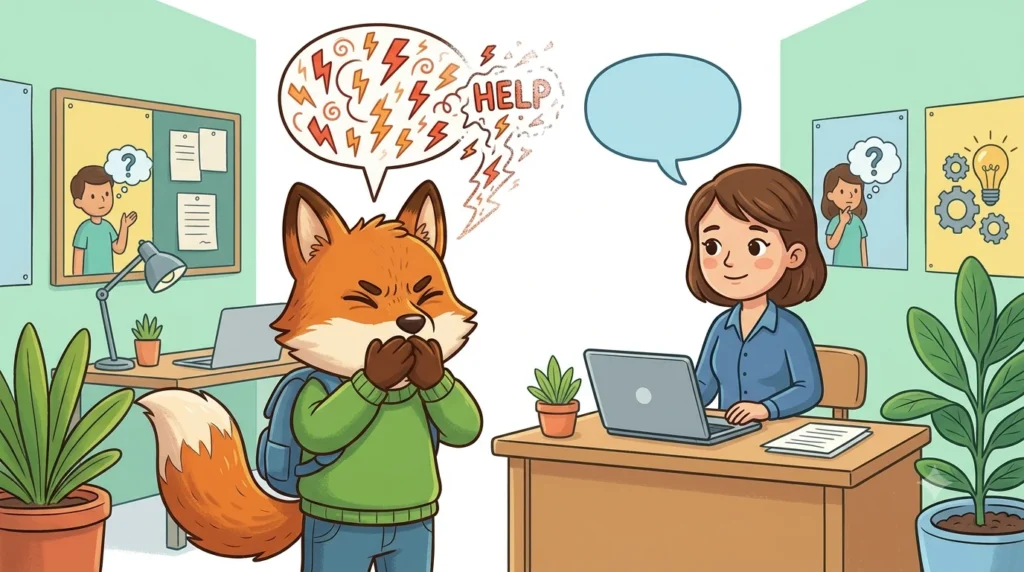
5. Bite Back
Word-by-Word Meaning
To bite in return.
Idiomatic Meaning
To respond angrily or sharply.
Example Sentences
- She bit back an angry reply.
- He bit back when criticized.
Common Error
Confusing it with physical biting.
Usage Note
Often refers to words rather than actions.
6. Bite Someone’s Head Off
Word-by-Word Meaning
As if biting someone’s head.
Idiomatic Meaning
To respond in a very angry way.
Example Sentences
- I only asked a question, but she bit my head off.
- Don’t bite his head off for making a mistake.
Common Error
Taking it literally.
Usage Note
Used in informal English.
7. Bite the Dust
Word-by-Word Meaning
To fall into the dust.
Idiomatic Meaning
To fail, die, or stop working.
Example Sentences
- My old laptop finally bit the dust.
- Another team bit the dust in the tournament.
Common Error
Using only for death.
Usage Note
Commonly used for machines, plans, or businesses.
8. Bite at the Bit
Word-by-Word Meaning
A horse biting its bit.
Idiomatic Meaning
To be eager or impatient to begin.
Example Sentences
- The players were biting at the bit.
- She’s biting at the bit to start her new job.
Common Error
Mixing it with “champing at the bit.”
Usage Note
Expresses enthusiasm.
9. Once Bitten, Twice Shy
Word-by-Word Meaning
Bitten once, cautious later.
Idiomatic Meaning
A bad experience makes people more careful.
Example Sentences
- After losing money online, he’s once bitten, twice shy.
- She became cautious—once bitten, twice shy.
Common Error
Changing the wording.
Usage Note
Often used as a complete proverb.
10. Bite Down
Word-by-Word Meaning
Press your teeth together.
Idiomatic Meaning
To endure pain or remain determined.
Example Sentences
- Bite down and finish the race.
- He bit down through the pain.
Common Error
Using it only literally.
Usage Note
Common in motivational contexts.
11. Bite into Something
Word-by-Word Meaning
Take a bite.
Idiomatic Meaning
To begin enjoying or experiencing something.
Example Sentences
- We finally bit into the project.
- She couldn’t wait to bite into the opportunity.
Common Error
Using it in formal writing without context.
Usage Note
Often metaphorical.
12. Bite One’s Lip
Word-by-Word Meaning
Bite your lip.
Idiomatic Meaning
To stop yourself from showing emotion.
Example Sentences
- She bit her lip to stop crying.
- He bit his lip during the interview.
Common Error
Confusing with “bite your tongue.”
Usage Note
Usually shows emotional restraint.
13. Bite the Hook
Word-by-Word Meaning
Fish bites a hook.
Idiomatic Meaning
To believe a trick or deception.
Example Sentences
- Don’t bite the hook.
- Many people bit the hook in the scam.
Common Error
Using it instead of “take the bait.”
Usage Note
Less common than “take the bait.”
14. Bite at Every Opportunity
Word-by-Word Meaning
Take every bite available.
Idiomatic Meaning
To eagerly accept every chance.
Example Sentences
- She bites at every opportunity to learn.
- Successful people bite at opportunities.
Common Error
Using it with negative situations.
Usage Note
Positive expression.
15. Bite into Your Savings
Word-by-Word Meaning
Consume savings.
Idiomatic Meaning
To reduce your savings because of expenses.
Example Sentences
- Repairs bit into our savings.
- Inflation has bitten into family budgets.
Common Error
Using “bite” instead of “bit.”
Usage Note
Common in financial discussions.
16. Bite the Bait
Word-by-Word Meaning
Fish bites bait.
Idiomatic Meaning
To fall for temptation.
Example Sentences
- I refused to bite the bait.
- He finally bit the bait.
Common Error
Confusing with “take the bait.”
Usage Note
Less common than “take the bait.”
17. Bite the Inside of Your Cheek
Word-by-Word Meaning
Literally bite your cheek.
Idiomatic Meaning
To stop yourself from laughing or reacting.
Example Sentences
- I bit the inside of my cheek.
- Everyone struggled not to laugh.
Common Error
Using it when speaking.
Usage Note
Shows emotional control.
18. Bite Hard
Word-by-Word Meaning
Bite strongly.
Idiomatic Meaning
To have a serious negative effect.
Example Sentences
- Rising prices are biting hard.
- Inflation is biting hard this year.
Common Error
Using it literally.
Usage Note
Common in news reports.
19. Bite Back Tears
Word-by-Word Meaning
Hold back tears.
Idiomatic Meaning
To stop yourself from crying.
Example Sentences
- She bit back tears after hearing the news.
- He smiled while biting back tears.
Common Error
Using it for laughter.
Usage Note
Describes emotional strength.
20. Bite Someone’s Nose Off
Word-by-Word Meaning
Bite someone’s nose.
Idiomatic Meaning
To react with unnecessary anger.
Example Sentences
- I was only helping—don’t bite my nose off.
- He nearly bit her nose off.
Common Error
Using it literally.
Usage Note
Common in informal British English.
Quick Reference Table
| Idiom | Meaning |
|---|---|
| Bite the bullet | Face difficulty bravely |
| Bite off more than you can chew | Take on too much |
| Bite your tongue | Stop yourself from speaking |
| Bite the hand that feeds you | Harm someone who helps you |
| Bite back | Respond angrily |
| Bite someone’s head off | React harshly |
| Bite the dust | Fail or stop working |
| Bite at the bit | Be eager to begin |
| Once bitten, twice shy | Learn caution from experience |
| Bite down | Endure pain |
| Bite into something | Begin enjoying or experiencing |
| Bite one’s lip | Hide emotions |
| Bite the hook | Fall for deception |
| Bite at every opportunity | Accept every chance eagerly |
| Bite into your savings | Reduce savings |
| Bite the bait | Fall for temptation |
| Bite the inside of your cheek | Hold back laughter |
| Bite hard | Have a strong negative impact |
| Bite back tears | Stop yourself from crying |
| Bite someone’s nose off | Respond angrily |
Tips for Remembering Bite Idioms
- Learn one idiom each day.
- Watch English movies and notice idioms in conversations.
- Create your own example sentences.
- Practice with friends or language partners.
- Review regularly to remember them naturally.
Frequently Asked Questions
What are bite idioms?
Bite idioms are English expressions containing the word bite that have figurative meanings rather than literal ones.
Which bite idiom is the most common?
Bite the bullet is one of the most widely used bite idioms in everyday English.
Are bite idioms used in business English?
Yes. Expressions like bite the bullet, bite off more than you can chew, and bite into your savings are common in workplace conversations and professional writing.
How can I remember bite idioms easily?
Practice using them in your own sentences, read English articles, watch movies, and review them regularly in context.
Can I use bite idioms in formal writing?
Some bite idioms work well in speeches, blogs, and presentations, but formal academic writing usually prefers more literal language.
Conclusion
Learning bite idioms is an excellent way to make your English more natural, expressive, and confident. These expressions appear frequently in conversations, books, movies, news articles, and workplaces. Instead of memorizing them, try using one or two each day in real-life situations. With regular practice, these idioms will become a natural part of your vocabulary and help you communicate like a fluent English speaker.

Adrian Wells, author at SeekIdiom, shares easy explanations of English idioms with examples to help learners expand vocabulary and speak more confidently.