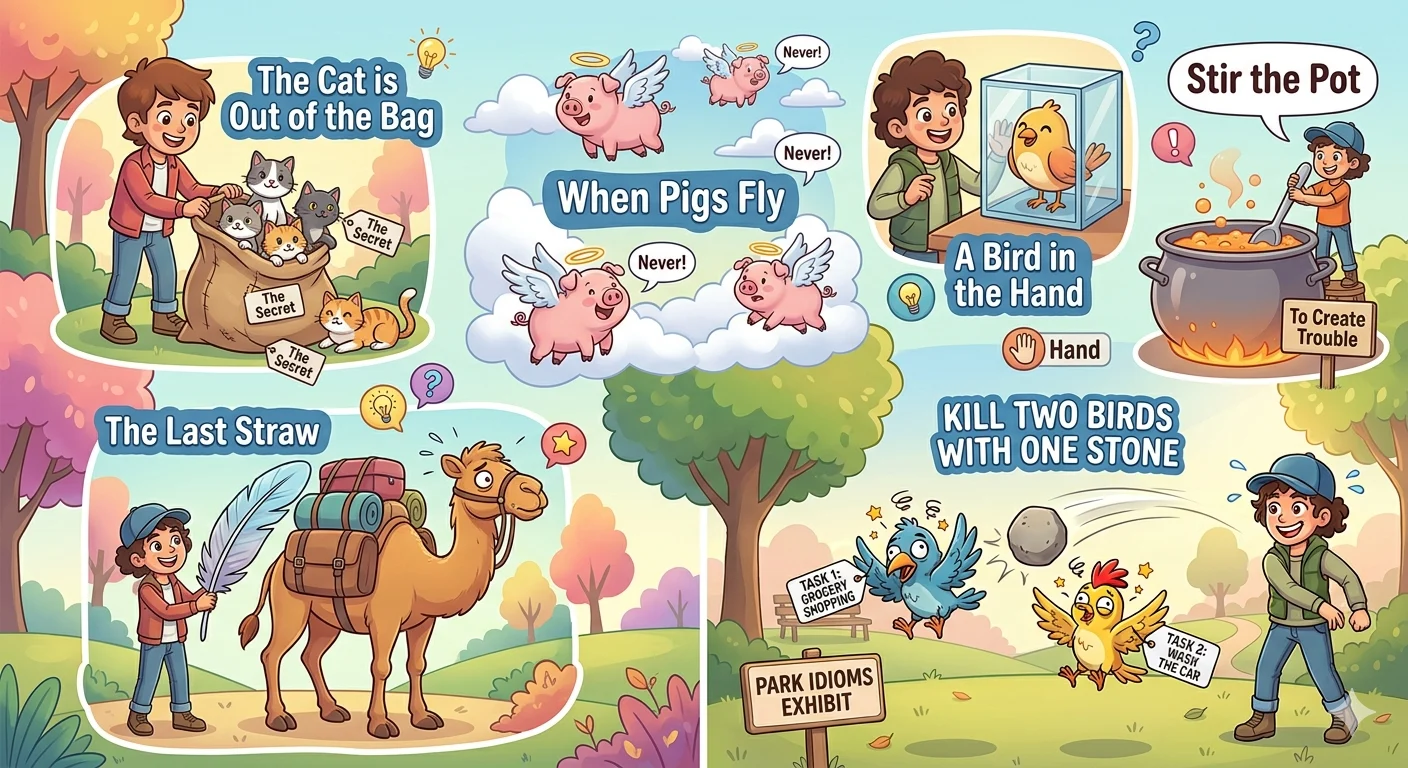
Learning a new language isn’t just about words—it’s about expressions that convey culture, humor, and emotion. Translation idioms are phrases that don’t make literal sense but carry a deeper meaning. Imagine hearing someone say, “It’s raining cats and dogs” in another language—you need to know the idiom, not just the words! This guide introduces 20 famous translation idioms, their meanings, examples, and tips to use them correctly.
Break the Ice
Word-by-Word Meaning: To smash frozen water.
Idiomatic Meaning: To start a conversation in a social setting.
Example Sentences:

- He told a joke to break the ice at the meeting.
Common Error: Using it for literally breaking ice.
Usage Note: Often used in social or professional introductions.
Hit the Nail on the Head
Word-by-Word Meaning: Strike the nail directly.
Idiomatic Meaning: Describe exactly what is correct or accurate.
Example Sentences:
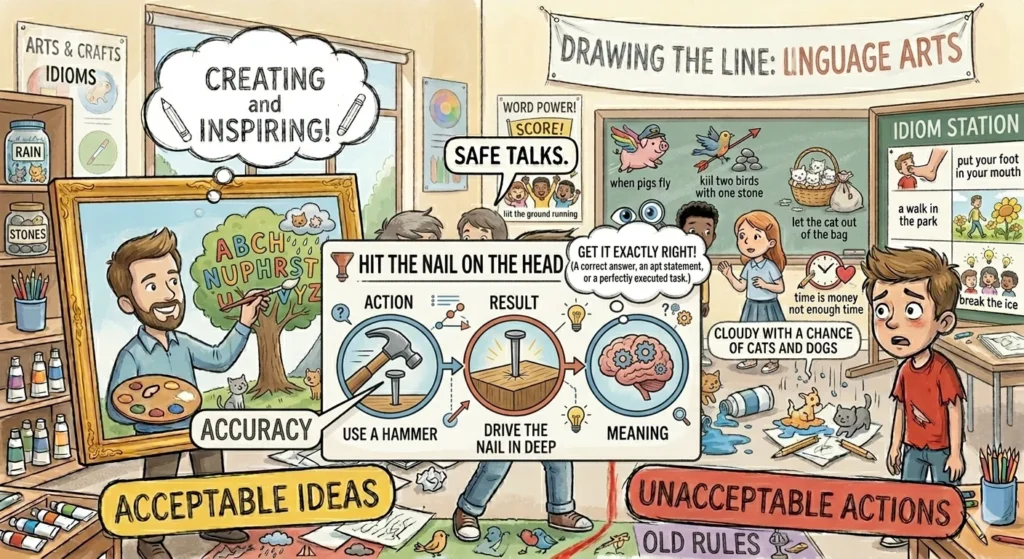
- Your analysis really hit the nail on the head.
Common Error: Saying “hit the head of the nail.”
Usage Note: Used to praise accuracy.
Bite the Bullet
Word-by-Word Meaning: To literally bite a bullet.
Idiomatic Meaning: To face a painful situation bravely.
Example Sentences:
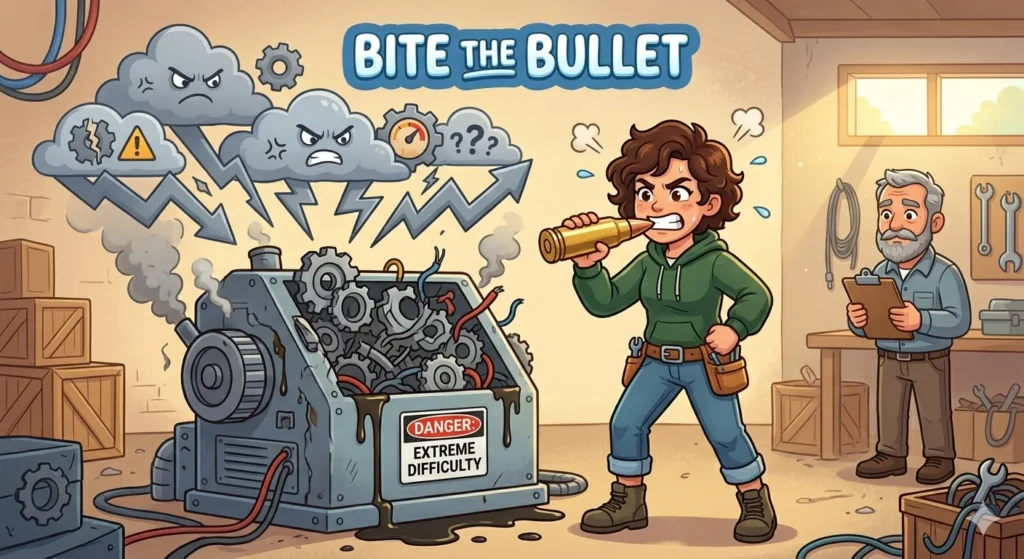
- I decided to bite the bullet and finish the project.
Common Error: Misunderstanding it as actual violence.
Usage Note: Often used for difficult decisions.
Let the Cat Out of the Bag
Word-by-Word Meaning: Release a cat from a bag.
Idiomatic Meaning: Reveal a secret unintentionally.
Example Sentences:
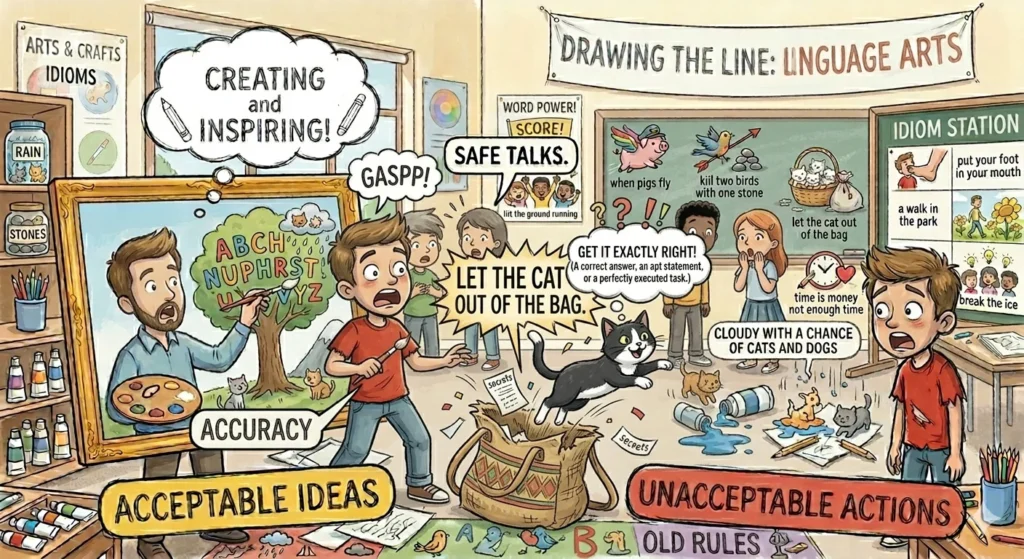
- She let the cat out of the bag about the surprise party.
Common Error: Confusing it with actual cats.
Usage Note: Informal, often used in casual conversations.
Kill Two Birds with One Stone
Word-by-Word Meaning: Eliminate two birds with a single rock.
Idiomatic Meaning: Achieve two goals at once.
Example Sentences:
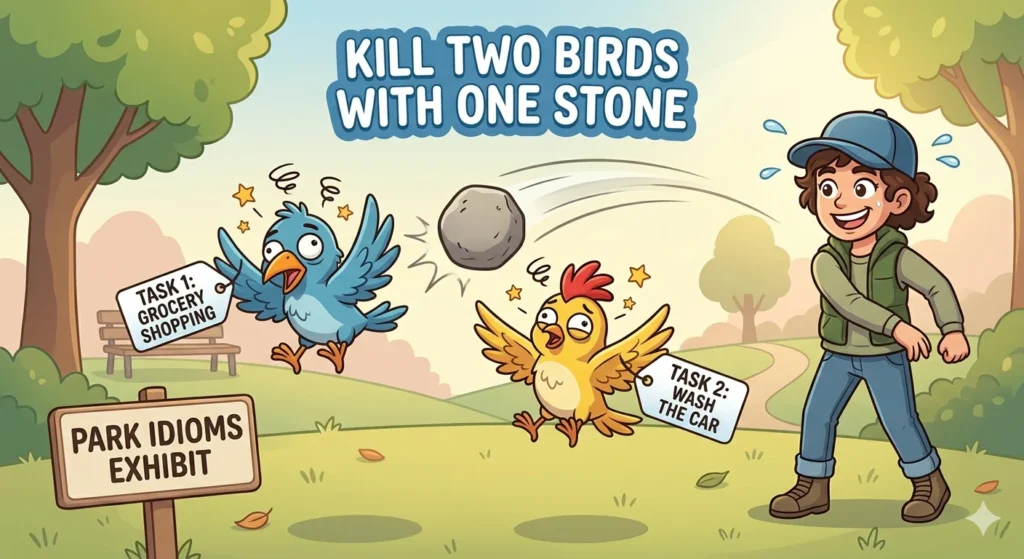
- By cycling to work, I kill two birds with one stone: exercise and commute.
Common Error: Literal interpretation or violent connotation.
Usage Note: Use carefully in professional contexts.
When Pigs Fly
Word-by-Word Meaning: Pigs taking flight.
Idiomatic Meaning: Something impossible or extremely unlikely.
Example Sentences:
- I’ll believe he’ll clean his room when pigs fly.
Common Error: Taking it literally.
Usage Note: Often used humorously.
A Piece of Cake
Word-by-Word Meaning: A slice of dessert.
Idiomatic Meaning: Something very easy.
Example Sentences:
- This test was a piece of cake!
Common Error: Thinking it involves actual dessert.
Usage Note: Informal, casual usage.
Costs an Arm and a Leg
Word-by-Word Meaning: Price of limbs.
Idiomatic Meaning: Very expensive.
Example Sentences:
- This designer bag costs an arm and a leg.
Common Error: Interpreting literally.
Usage Note: Used for expensive items, not everyday objects.
The Ball is in Your Court
Word-by-Word Meaning: The ball is on your side.
Idiomatic Meaning: It’s your turn to take action.
Example Sentences:
- I’ve sent my proposal. Now, the ball is in your court.
Common Error: Misunderstanding in sports contexts only.
Usage Note: Common in business and negotiation contexts.
Spill the Beans
Word-by-Word Meaning: Drop legumes.
Idiomatic Meaning: Reveal a secret.
Example Sentences:
- He accidentally spilled the beans about the promotion.
Common Error: Literal interpretation.
Usage Note: Informal, friendly conversations.
Barking Up the Wrong Tree
Word-by-Word Meaning: Dog barking at an incorrect tree.
Idiomatic Meaning: Pursuing a mistaken idea or approach.
Example Sentences:
- If you think I’m responsible for this, you’re barking up the wrong tree.
Common Error: Taking it literally.
Usage Note: Commonly used in discussions or disputes.
Cry Over Spilled Milk
Word-by-Word Meaning: Weep because milk spilled.
Idiomatic Meaning: Worry about something that has already happened and can’t be changed.
Example Sentences:
- No use crying over spilled milk; let’s focus on solutions.
Common Error: Confusing with literal milk spillage.
Usage Note: Offers advice about moving on.
Hit the Sack
Word-by-Word Meaning: Strike a bag.
Idiomatic Meaning: Go to bed or sleep.
Example Sentences:
- I’m exhausted; time to hit the sack.
Common Error: Interpreting literally.
Usage Note: Informal, casual usage.
Pull Someone’s Leg
Word-by-Word Meaning: Physically tug someone’s leg.
Idiomatic Meaning: Joke or tease someone.
Example Sentences:
- Relax, I’m just pulling your leg.
Common Error: Literal leg pulling.
Usage Note: Friendly teasing only.
Under the Weather
Word-by-Word Meaning: Beneath the atmospheric conditions.
Idiomatic Meaning: Feeling ill or unwell.
Example Sentences:
- I’m feeling a bit under the weather today.
Common Error: Literal weather interpretation.
Usage Note: Polite way to explain mild illness.
The Early Bird Catches the Worm
Word-by-Word Meaning: First bird gets the worm.
Idiomatic Meaning: Early action leads to success.
Example Sentences:
- He woke up at 5 AM to study; the early bird catches the worm.
Common Error: Misapplying to laziness.
Usage Note: Encourages punctuality and initiative.
Out of the Blue
Word-by-Word Meaning: From the color blue.
Idiomatic Meaning: Something unexpected.
Example Sentences:
- Out of the blue, she called me after years.
Common Error: Misinterpreting literally.
Usage Note: Common in storytelling and news.
Every Cloud Has a Silver Lining
Word-by-Word Meaning: Clouds contain silver edges.
Idiomatic Meaning: There’s something good in every bad situation.
Example Sentences:
- Losing the job was tough, but every cloud has a silver lining—I found a better one.
Common Error: Literal clouds.
Usage Note: Inspirational or motivational contexts.
Throw in the Towel
Word-by-Word Meaning: Toss a towel.
Idiomatic Meaning: Give up or surrender.
Example Sentences:
- After repeated failures, he finally threw in the towel.
Common Error: Literal towel throwing.
Usage Note: Used in sports, business, or personal challenges.
Beat Around the Bush
Word-by-Word Meaning: Hit around a bush.
Idiomatic Meaning: Avoid getting to the point.
Example Sentences:
- Stop beating around the bush and tell me what happened.
Common Error: Literal interpretation.
Usage Note: Common in conversation, especially to prompt directness.
FAQs About Translation Idioms
Q1: Why are translation idioms important?
They help learners understand culture, humor, and non-literal language in conversations.
Q2: Can idioms be translated literally?
No, literal translation often changes the meaning completely.
Q3: How can I remember idioms effectively?
Use them in daily conversations, write example sentences, or associate them with visuals.
Q4: Are idioms formal or informal?
Some are formal, many are informal. Context matters.
Q5: Can I use idioms in writing?
Yes, especially in blogs, stories, and friendly writing. Avoid in formal academic papers unless relevant.
Conclusion
Mastering translation idioms is a fun and practical way to improve your language skills. Start small: pick 2–3 idioms a week, practice them in conversations, and soon you’ll speak more naturally and confidently. Remember, idioms are not just words—they’re windows into culture!

Sophie Langford, author at SeekIdiom, explains English idioms with clear meanings, examples, and usage to help learners improve vocabulary and communication.