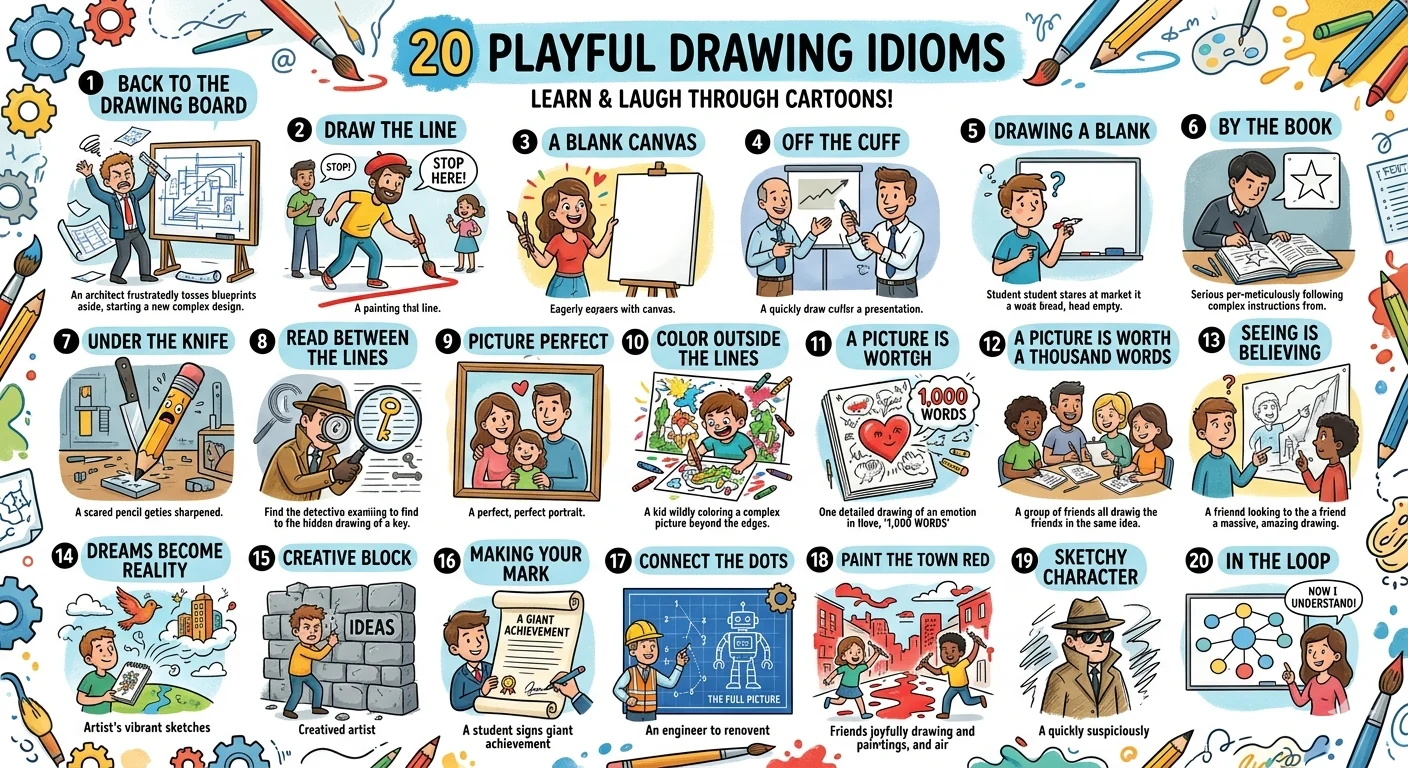
Ever wondered what phrases like “draw a blank” or “sketch out a plan” really mean? Drawing idioms are expressions that make English more vivid but can confuse learners. In this article, we explore 20 popular drawing idioms with meanings, examples, and tips to use them naturally.
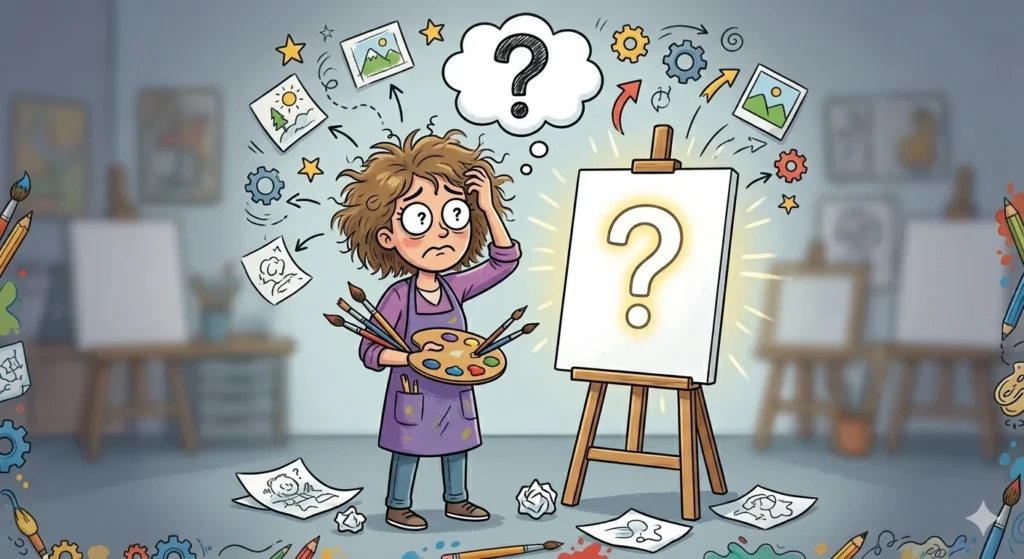
Draw a blank
- Word-by-word meaning: To make no marks when trying to draw.
- Idiomatic meaning: To fail to remember or find something.
- Example sentences:
- I tried to recall her address, but I drew a blank.
- I tried to recall her address, but I drew a blank.
- Common error: Saying “I drew blank” (missing “a”).
- Usage note: Often used in memory or retrieval contexts.
Sketch out
Supporting Image Prompt: Illustration of a person drawing a simple outline of a house on paper.
- Word-by-word meaning: To make a rough drawing.
- Idiomatic meaning: To outline or plan something quickly.

- Example sentences:
- Let’s sketch out our ideas before the meeting.
- Let’s sketch out our ideas before the meeting.
- Common error: Using “sketch up” instead of “sketch out”.
- Usage note: Common in planning, brainstorming, or creative work.
Draw the line
- Word-by-word meaning: To mark a boundary with a line.
- Idiomatic meaning: To set a limit on what is acceptable.

- Example sentences:
- I’m fine helping you, but I draw the line at lying.
- I’m fine helping you, but I draw the line at lying.
- Common error: Saying “I drew line” without “the”.
- Usage note: Often used in moral or professional boundaries.
Draw attention
- Word-by-word meaning: To make people look at something.
- Idiomatic meaning: To attract notice or focus.

- Example sentences:
- Her bright outfit drew attention at the party.
- Her bright outfit drew attention at the party.
- Common error: Using “draws attention to” unnecessarily in passive voice.
- Usage note: Suitable in casual and professional contexts.
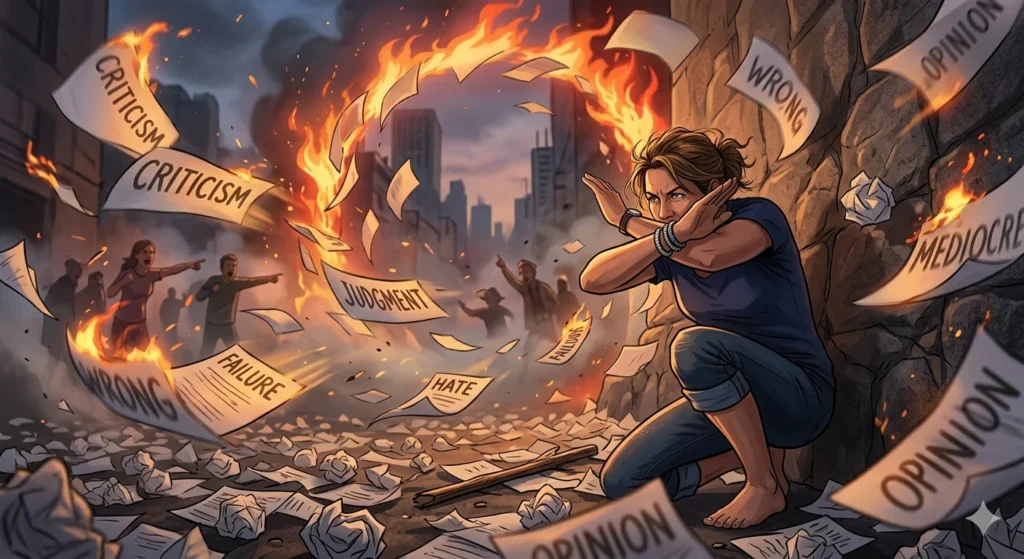
Draw fire
- Word-by-word meaning: To make someone shoot at you.
- Idiomatic meaning: To receive criticism or blame.
- Example sentences:
- The manager drew fire for the new policy.
- The manager drew fire for the new policy.
- Common error: Confusing with literal shooting; context matters.
- Usage note: Common in journalism and politics.
Draw a crowd
- Word-by-word meaning: To attract a group of people.
- Idiomatic meaning: To gather attention or an audience.
- Example sentences:
- The street performer drew a crowd instantly.
- The street performer drew a crowd instantly.
- Common error: Using “draw crowds” for a single event repeatedly.
- Usage note: Used for events, performances, or public attention.
Draw your own conclusions
- Word-by-word meaning: To make your own drawing/decision.
- Idiomatic meaning: To form your own opinion.
- Example sentences:
- After reading the report, draw your own conclusions.
- After reading the report, draw your own conclusions.
- Common error: Saying “make your own conclusions” (less idiomatic).
- Usage note: Formal and informal contexts; encourages independent thinking.
Draw a comparison
- Word-by-word meaning: To make a picture comparison.
- Idiomatic meaning: To compare two things.
- Example sentences:
- It’s hard to draw a comparison between these two artists.
- It’s hard to draw a comparison between these two artists.
- Common error: Saying “draw comparison” without “a”.
- Usage note: Often used in writing, analysis, and discussion.
Draw a sword
- Word-by-word meaning: To pull out a weapon.
- Idiomatic meaning: To prepare for action or conflict.
- Example sentences:
- He drew a sword and challenged his rival.
- He drew a sword and challenged his rival.
- Common error: Confusing literal and figurative contexts.
- Usage note: Mostly literary or historical contexts.
Draw blood
- Word-by-word meaning: To make someone bleed.
- Idiomatic meaning: To hurt someone physically or emotionally.
- Example sentences:
- The debate was fierce, and she drew blood with her remarks.
- The debate was fierce, and she drew blood with her remarks.
- Common error: Misinterpreting as only physical injury.
- Usage note: Figurative use is common in arguments or sports.
Draw lots
- Word-by-word meaning: To make a random selection using pieces of paper.
- Idiomatic meaning: To decide something by chance.
- Example sentences:
- They drew lots to determine who would go first.
- They drew lots to determine who would go first.
- Common error: Confusing with drawing numbers in competitions.
- Usage note: Common in games, decisions, or random selection.
Draw a veil
- Word-by-word meaning: To cover something with a cloth.
- Idiomatic meaning: To conceal or hide something.
- Example sentences:
- Let’s draw a veil over that embarrassing incident.
- Let’s draw a veil over that embarrassing incident.
- Common error: Using in literal sense unnecessarily.
- Usage note: Formal or literary contexts; to avoid discussing something.
Draw up
- Word-by-word meaning: To pull something closer or create.
- Idiomatic meaning: To prepare a document or plan.
- Example sentences:
- The lawyer drew up the contract for the client.
- The lawyer drew up the contract for the client.
- Common error: Saying “draw out” instead of “draw up”.
- Usage note: Common in professional and legal contexts.
Draw near
- Word-by-word meaning: To come closer physically.
- Idiomatic meaning: To approach in time or space.
- Example sentences:
- As the deadline drew near, she worked faster.
- As the deadline drew near, she worked faster.
- Common error: Confusing with “come near” (less formal).
- Usage note: Used in literary, formal, or poetic contexts.
Draw back
- Word-by-word meaning: To pull backward.
- Idiomatic meaning: To hesitate or retreat.
- Example sentences:
- He drew back when asked to speak in public.
- He drew back when asked to speak in public.
- Common error: Using in a positive context (“draw back to progress”) incorrectly.
- Usage note: Often in hesitation or caution contexts.
Draw into
- Word-by-word meaning: To pull someone inside.
- Idiomatic meaning: To involve someone in a situation.
- Example sentences:
- She was drawn into the argument unexpectedly.
- She was drawn into the argument unexpectedly.
- Common error: Using for voluntary actions only; it often implies external influence.
- Usage note: Figurative use for situations or discussions.
Draw off
- Word-by-word meaning: To remove liquid or substance.
- Idiomatic meaning: To siphon or separate resources.
- Example sentences:
- They draw off water from the reservoir carefully.
- They draw off water from the reservoir carefully.
- Common error: Misused for people or abstract things.
- Usage note: Technical or literal contexts, less common in daily conversation.
Draw out
- Word-by-word meaning: To pull something outside.
- Idiomatic meaning: To extend or prolong something.
- Example sentences:
- The teacher drew out the discussion for another 10 minutes.
- The teacher drew out the discussion for another 10 minutes.
- Common error: Confusing with “draw up” (prepare).
- Usage note: Common in conversation and teaching.
Draw upon
- Word-by-word meaning: To use something as a source.
- Idiomatic meaning: To use resources or experiences.
- Example sentences:
- He drew upon his past experience to solve the problem.
- He drew upon his past experience to solve the problem.
- Common error: Misinterpreted as literal drawing.
- Usage note: Common in writing, speeches, and reflective contexts.
Draw in
- Word-by-word meaning: To bring inside or attract.
- Idiomatic meaning: To attract or involve attention.
- Example sentences:
- The new exhibit drew in visitors from all over town.
- The new exhibit drew in visitors from all over town.
- Common error: Confusing with physical pulling only.
- Usage note: Figurative use for attention, interest, or participation.
FAQs About Drawing Idioms
Q1: Can drawing idioms be used in formal writing?
Yes, idioms like draw attention or draw a comparison are suitable for essays, reports, and professional writing.
Q2: Are drawing idioms literal or figurative?
Most are figurative, evolved from literal drawing but now used metaphorically.
Q3: How can I remember drawing idioms easily?
Visual association helps: link each idiom to a small mental picture (e.g., draw a blank = empty canvas).
Q4: Are all idioms commonly used?
Some are very common (draw attention, draw the line), others (draw fire) appear mostly in news or literature.
Q5: Can I use them in daily conversations?
Yes! Starting with 1–2 idioms per day in speech or writing makes learning easier and fun.
Conclusion
Drawing idioms bring color and expression to English. Practice using one idiom each day in conversation or writing, and soon your language will draw attention in every setting!

Sophie Langford, author at SeekIdiom, explains English idioms with clear meanings, examples, and usage to help learners improve vocabulary and communication.